The Role of AI in Super High Paced Development: Transforming the SDLC

The Role of AI in Super High Paced Development:
Transforming the SDLC
Artificial Intelligence is reshaping software development at an unprecedented pace. The traditional Software Development Life Cycle (SDLC) has evolved into a high-velocity process, powered by AI-driven automation and intelligent systems.
AI’s integration into SDLC brings transformative capabilities:
- Automated Task Execution: From code generation to testing, AI handles repetitive tasks with precision
- Real-time Analytics: Instant insights into development bottlenecks and performance metrics
- Predictive Problem Solving: Early detection of potential issues before they impact development
- Enhanced Decision Making: Data-driven recommendations for architectural choices and resource allocation
The impact is clear: development cycles that once took months now complete in weeks or days. AI tools analyze requirements, generate code, perform testing, and optimize deployments – all while maintaining high quality standards.
This technological leap marks a new era in software development, where AI agents collaborate seamlessly with human developers to deliver robust solutions at super high speeds.
Understanding the Role of AI Agents in SDLC Phases
AI agents are intelligent collaborators that work with humans throughout the Software Development Life Cycle (SDLC). They have the ability to transform traditional development practices into streamlined and automated processes. These autonomous entities can handle complex tasks in various phases of the SDLC, bringing unprecedented efficiency and accuracy to software development.
AI-powered requirements analysis is changing the way development teams understand and process customer needs. This technology is particularly good at:
- Pattern Recognition in Customer Data
- Analyzing customer feedback across multiple channels
- Identifying recurring themes and priority requirements
- Detecting underlying user pain points
- Mapping feature requests to business value
-
Document Processing Capabilities
-
Extracting key information from technical specifications
-
Converting unstructured data into actionable requirements
-
Categorizing requirements based on priority and complexity
-
Maintaining requirement traceability
-
-
Real-time Market Analysis
-
Monitoring competitor features and market trends
-
Suggesting innovative solutions based on market gaps
-
Predicting future customer needs through predictive analytics
-
Validating requirements against market demand
-
AI agents improve the accuracy of gathering requirements by using:
Natural Language Processing
- Understanding context in customer communications
- Translating technical jargon into clear requirements
- Identifying ambiguities in requirement specifications
Automated Validation
- Cross-referencing requirements for consistency
- Flagging potential conflicts or dependencies
- Ensuring compliance with industry standards
- Verifying requirement feasibility
Smart Prioritization
- Ranking requirements based on business impact
- Calculating implementation complexity scores
- Suggesting optimal requirement grouping
- Identifying quick wins and long-term investments
AI-driven design tools are changing the game in software architecture. They can create complex UML diagrams and code templates with incredible accuracy. These smart systems look at a large collection of successful software designs to recommend the best architectural patterns for specific project needs.
- Automatic generation of class diagrams based on natural language descriptions
- Smart suggestion of design patterns and architectural components
- Real-time validation of design decisions against industry best practices
- Dynamic creation of sequence diagrams from user stories
- Automated code template generation aligned with architectural choices
The AI design assistant acts as a creative catalyst, helping developers explore multiple design alternatives rapidly. By analyzing historical project data and current industry trends, these tools can predict potential scalability issues and suggest architectural improvements before implementation begins.
- Reduced time spent on repetitive diagramming tasks
- Instant access to proven design patterns and templates
- Automated documentation generation
- Real-time collaboration features for distributed teams
- Built-in design validation and optimization suggestions
These AI capabilities transform the traditional design phase into an interactive, data-driven process that accelerates development while maintaining high-quality standards.
AI agents have transformed traditional coding practices into dynamic, automated workflows. Modern AI-powered development environments now generate complete code segments based on natural language descriptions, reducing development time by up to 70%.
- Real-time code suggestions tailored to project context
- Automatic implementation of design patterns
- Smart completion of repetitive coding tasks
- Generation of unit tests and documentation
AI refactoring tools analyze existing codebases to identify optimization opportunities. These tools can:
- Detect code smells and suggest improvements
- Restructure complex functions for better readability
- Optimize performance bottlenecks
- Modernize legacy code patterns
The emergence of AI pair programming has created a new collaborative development model. Developers work alongside AI agents that:
- Provide instant code reviews
- Suggest alternative implementations
- Debug code in real-time
- Maintain consistent coding standards
These AI collaborators adapt to individual coding styles while ensuring adherence to best practices. The combination of automated code generation, intelligent refactoring, and AI-assisted pair programming has created a development environment where developers focus on strategic decisions rather than routine coding tasks.
AI-powered testing automation transforms traditional quality assurance processes into rapid, comprehensive testing cycles. Modern AI testing tools create test cases by analyzing application behavior patterns and user interactions, eliminating hours of manual test writing.
- Intelligent Test Generation: Creates test scenarios based on user behavior analysis, adapts test cases as application features evolve, and identifies critical testing paths through machine learning
- Advanced Vulnerability Detection: Performs continuous security assessments, identifies potential threats in real-time, and suggests security patches and fixes
AI testing agents maintain high-quality standards through:
- Automated regression testing at each code change
- Smart test prioritization based on risk assessment
- Self-healing test scripts that adapt to UI changes
- Performance testing under various load conditions
These AI capabilities enable development teams to maintain robust security measures while pushing updates at unprecedented speeds. The combination of automated vulnerability scanning and intelligent test generation creates a protective shield around rapid development cycles, ensuring that speed doesn’t compromise security.
Human testers now focus on strategic testing decisions and complex edge cases, while AI handles repetitive testing tasks with consistent accuracy. This partnership between human expertise and AI automation establishes a new standard for quality assurance in high-velocity development environments.
AI-driven deployment optimization transforms traditional release processes into streamlined, intelligent operations. Modern AI agents analyze deployment patterns, system dependencies, and infrastructure requirements to create optimal deployment strategies tailored to specific project needs.
- Real-time monitoring of system health metrics
- Predictive analysis for potential deployment failures
- Automated resource scaling based on traffic patterns
- Smart rollback mechanisms triggered by performance anomalies
AI deployment systems excel at identifying the ideal deployment windows by analyzing user
traffic patterns, server loads, and historical deployment success rates. These systems
automatically adjust deployment schedules to minimize user impact and maximize success rates.
The integration of automated rollback mechanisms provides an additional safety net. AI agents continuously monitor post-deployment metrics, including:
- Response times
- Error rates
- Resource utilization
- User experience metrics
When anomalies are detected, these systems can initiate immediate rollbacks without human
intervention, significantly reducing downtime and potential negative impacts on end-users. This autonomous operation enables development teams to maintain rapid deployment cycles while ensuring system stability and reliability.
AI agents are changing the way we maintain legacy systems by using deep learning algorithms
to analyze and understand complex codebases. These advanced systems can find patterns in the code, identify areas that need improvement, and recommend specific changes for older
applications.
- Automated bug detection and resolution
- Smart refactoring recommendations
- Predictive maintenance scheduling
- Legacy code modernization suggestions
AI-powered anomaly detection adds a new level of performance optimization. The system
constantly tracks application metrics, spotting potential issues before they affect users. Machine learning models look at past performance data to:
- Predict when resources will be used more
- Find unusual behavior in the system
- Improve database queries
- Adjust memory allocation as needed
With real-time monitoring abilities, AI agents can quickly make changes to system settings to
keep everything running smoothly. These systems learn from each adjustment, creating a
database of successful optimization methods for different situations.
- Dynamic resource scaling
- Automated performance testing
- Load balancing optimization
- Cache management improvements
By using AI in maintenance tasks, we are shifting from a reactive approach to a proactive
strategy for optimizing systems. This means less downtime and better overall performance for
applications.
The Shift Towards Agent-First Software Engineering
The software development landscape is undergoing a significant transformation as AI agents
become the primary drivers of the development process. This shift from human-first to agent-
first software engineering represents a fundamental change in how we approach development
projects.
- AI agents now handle initial code generation and architecture decisions
- Development teams focus on defining high-level requirements and constraints
- Version control systems adapt to manage high volumes of AI-generated commits
- Continuous Integration pipelines incorporate AI-driven formal verification
The traditional role of developers has evolved from writing every line of code to becoming
strategic orchestrators of AI systems. Modern developers spend their time:
- Defining project intent and success criteria
- Validating AI-generated outputs
- Fine-tuning AI models for specific project needs
- Managing complex architectures across AI workflows
This new paradigm demands a different skill set from development teams. Engineers must now
understand:
- AI Model Capabilities: Knowing when and how to leverage different AI tools
- Prompt Engineering: Creating effective instructions for AI systems
- Quality Assurance: Validating AI-generated solutions against business requirements
- System Architecture: Designing robust frameworks that integrate multiple AI agents
The agent-first approach enables development teams to focus on innovation and strategic
decision-making while AI handles routine tasks. This symbiotic relationship between human
expertise and AI capabilities creates a more efficient and scalable development process.
Business Benefits of Using AI in SDLC Processes
Integrating AI into the Software Development Life Cycle (SDLC) offers significant business
benefits, including faster development times and improved product quality. Companies that use AI in their development process have reported project completion times being reduced by as much as 70%, which directly affects how quickly they can bring their products to market.
AI tools make important stages of development more efficient:
- Automated Code Generation: Basic coding tasks that used to take hours can now be
done in minutes - Real-time Bug Detection: Problems are identified and fixed before the software is
released - Intelligent Testing: Testing cycles are shortened by 60% while still covering all
necessary areas - Smart Resource Allocation: Team productivity and project scheduling are optimized
The demand for senior engineers is changing. They now need to have skills in:
- Designing development environments that use AI
- Checking and improving solutions created by AI
- Teaching junior developers how to use AI tools
- Applying ethical practices when using AI in development
Companies that have embraced AI in their SDLC processes are seeing significant improvements in their return on investment (ROI):
- Development costs have decreased by 40%
- Defects found after the software is released have dropped by 65%
- Features are being deployed three times faster than before
- Customer satisfaction metrics have improved by 50%
The job market for software engineers is undergoing a major shift. Organizations are now competing for professionals who possess both traditional software engineering skills and
knowledge of AI systems. These hybrid roles are commanding salaries that are 30-50% higher than those of traditional development positions.
Navigating Challenges and Ethical Considerations in Implementing AI for Super High Paced Development
The integration of AI into high-paced development brings significant challenges that
organizations must address proactively. Data quality stands as a critical concern – AI systems
require clean, well-structured data to function effectively. Poor data quality can lead to:
- Inaccurate code generation
- Flawed requirement analysis
- Unreliable testing results
- Biased decision-making processes
Organizations need structured frameworks to manage:
- Data collection protocols
- Quality assurance measures
- Access control mechanisms
- Data privacy compliance
The implementation of AI in SDLC raises important ethical questions:
- Bias in AI Systems: AI models can perpetuate existing biases present in training data
- Code Attribution: Questions around ownership and accountability for AI-generated code
- Job Displacement: Impact on traditional development roles and responsibilities
- Security Vulnerabilities: Potential risks in AI-generated code and automated processes
Companies must implement:
- Regular audits of AI systems and their outputs
- Transparent documentation of AI decision-making processes
- Clear guidelines for human oversight and intervention
- Continuous monitoring of AI system performance and impact
The successful integration of AI in super high-paced development requires balancing automation benefits with responsible implementation practices. Organizations must establish clear protocols for handling these challenges while maintaining development speed and efficiency.
Conclusion
The integration of AI into software development marks a defining moment in our industry’s
evolution. Autonomous intelligent systems have proven their worth in accelerating development cycles while upholding quality standards. Organizations embracing AI-driven SDLC processes gain a competitive edge through:
- Rapid development cycles with enhanced accuracy
- Reduced technical debt through proactive maintenance
- Improved resource allocation and team productivity
The future of software development lies in the harmonious collaboration between human
expertise and AI capabilities. Companies that adapt to this transformation now position
themselves at the forefront of innovation. The time to act is here – start small, experiment with
AI tools, and gradually build towards a comprehensive AI-integrated development ecosystem
that propels your organization into the next era of software engineering excellence.
- AI
- AIModelCapabilities
- Prompt Engineering
- QualityAssurance
- SDLC
15 July 2025
Related Posts

AI Code Review Bottleneck: Why PRs Slow Down

1 Breach, 3 Security Firms Burned

Your AI Tool Reads Too Much

$2M Risk: One API Ban Can Kill You

Anthropic Stores Every Prompt You Send — And May Be Lying to Yo
Microsoft’s AI Tools Were Hacked. Is Yours Next?

Why Uber Capped AI Coding Tools
Microsoft Build 2026: What Project Solara and AI Agent PCs Mean f

GitHub Copilot Just Got Expensive: Here’s What Smart ISVs A

Every AI Lab Is Now an Agent Lab — Here’s What ISVs Must

Google Says the Age of AI Agents Is Here: What SMB Owners Should

Why Your AI Subscriptions Are About to Blow Up Your Budget (And W

Building an AI Team for the Shop Floor

Why Zero Data Retention Will Make or Break Your AI Development St

Why Zero Data Retention Will Make or Break Your AI Development St

Claude Code Source Leak Reveals the Secret Architecture Behind AI

Supply Chain Attacks Are Exploding: How AI-Powered Security Scann

Gemma 4 vs Microsoft’s New Models: Which AI Stack Will Win the

Why Your Startup Is Overpaying 300% for AI (And How to Fix It)

Why the LiteLLM Supply Chain Attack Changes Everything for AI Dev
EdTech Development: Creating Engaging Learning Platforms

Integrating Multiple Systems? How Custom Software Can Break Down

Staff Augmentation vs Project Outsourcing: Which Model Fits Your

Building an App? 5 Mistakes to Avoid in the Early Stages

DevOps in Custom Software: Accelerating Delivery and Quality —

UI/UX Best Practices for Custom Web Applications — What They Re
Mobile App Development Trends 2026: AI, IoT, and Beyond

Why Choosing the Right Tech Stack Matters

MVP Development: Focusing on Core Features for Success — and Ho

Inbox Under Threat: How Human Verification Can Protect Email From

How to Enhance User Engagement with These Mobile App UX Hacks

10 Signs Your Business Needs Custom Software (And Not Off-the-She

From Concept to Creation: Understanding Product Engineering Servi

Save Time and Money with Effective Prototyping in Software Projec

Securing Your Application: Best Practices from Day 1

Why Custom Software Is a Smart Investment for SMBs

Custom Software for Healthcare: Innovations That Meet Compliance

FinTech Software Development: Security and Compliance Best Practi

Understanding HIPAA Compliance in Healthcare App Development: A C

Breaking the Fix-It Loop – Why Patching Alone Slows Growth

Why ‘Technical Feasibility’ is Crucial Before Buildin

Can AI Replace Designers? The Real Impact on Creative Design Team

Redesigning Hiring for the Underserved – A Blueprint for Talent

Agile vs Waterfall: How to Decide the Best Fit for Your Project

Web App vs Mobile App: How to Choose the Right Platform for Your

Behavioral Traits – The Hidden Engine of Retention

Building Custom Software on a Budget: Expert Advice for Startups

UX as Emotional Infrastructure

Mock Interviews, Real Confidence: Preparing Beyond the Resume

Rapid Prototyping: How AI is Revolutionizing the Design Process i

What If Job Matching Measured Mindsets, Not Just Degrees?

Why Job Boards Fail in Developing Economies

Transforming Software: How AI is Making It More User-Friendly and

Leave Management System – Admin & HR Controls

When Code Bows to Culture

Who is Soham Parekh?

Leave Management System – Instant Leave Decisions

Leave Management System – Employee Leave Flow

AI-Based Error Log Analyzer: A Smarter Way to Handle Infrastructu

Why Pictures (and Sounds) Speak Louder Than Tables

Leave Management System – Mobile First

Leave Management System – Real Cost

Leave Management System

Keeping Workers Safe: How Computer Vision Revolutionizes Industri
The AI Whisperer: Unmasking Public Opinion with Sentiment Analysi

EHR Interoperability: Enhancing Care Coordination

EHR Security Best Practices: Safeguarding Patient Data

The Benefits of Implementing EHR Systems in Healthcare
Big Data Trends in Healthcare
Business Intelligence for Healthcare Industry
How Mobile Apps Are Transforming Healthcare
Practical Use Cases of RPA in the Healthcare Industry
Google Core Update January 2020
Health Information Exchange (HIE): A Primer

How Wearables are Helping to Monitor Patients
Best Practices for Successful EHR Data Integration
Importance of Sustainable Last-Mile Delivery Options in Building
Applications of 3D Printing in Healthcare
Application and Advantages of Artificial Intelligence and Machine

What is Technical SEO?
Healthcare Tech Space Review 2019
What is AWS Lambda? & AWS Lambda Use Case
Digital Marketing Strategies for Real Estate Agents
Web API and HL7 FHIR – The Future of Interoperability
Why FHIR is Better?
Real Estate Tech Space Review 2019
Improving Patient Care with Chronic Care Management
10 Healthcare Tech Trends to Follow in 2020
10 Real Estate Tech Trends to Follow in 2020
iBuyer: Disruptive Business Model or a Passing Fad?

Symptom Checker: Your personal mhealth app

Facebook for Real Estate Marketing
Use cases for Big Data in Real Estate
Can Real Estate be Uberized?
Using Predictive Analysis for Better Management of Patient Emerge
Challenges in Aggregating MLS Data
Home Navigation for the Visually Challenged
Uberization of Healthcare
Using mHealth for monitoring symptoms in children
Pinterest for Real Estate Marketing

Advancement of Voice Inputs over Text in Healthcare

Instagram for Real Estate Marketing
Chatbots in Healthcare
Why brokers are moving to custom solutions rather than using gene
Virtual Hospitals: Future of Healthcare

What Happens in Vegas, Stays in Vegas – Well, not if you ha
8 Healthcare Tech Trends to watch out for in 2019

6 Reasons Why Telemedicine Hasn’t Taken Off

5 Real Estate Tech Trends to watch out for in 2019
How MLS APIs Can Improve Your IDX Performance

How can Realtors generate quality leads using Social Media?

What is the difference between RETS and RESO Web API?
IoT for Healthcare

3D Home Tours – A must have in today’s world?

3D Printing in Real Estate

Pros & Cons of integrating RETS in your website

Blockchain: Opportunities for Healthcare

Pros & Cons of Integrating IDX in your Website

4 Reasons why you need to integrate RESO compliant MLS

Docker Selenium Grid for Parallel Test Execution
IDX vs RETS vs MLS vs RESO
How is AI Transforming Healthcare
The Future of Virtual Reality in Healthcare

Smart Contracts in Real Estate using Blockchain

How To Choose The Right CRM For Your Business
Best UX Design Practices for Healthcare Applications
FHIR Integration for Better Patient Engagement
IoT for SMART Real Estate
AI to Automate Pre-Showing Process
Best Practices for Healthcare Data Governance

Will Virtual Reality in Real Estate Replace Property Showing?

A Secure Web is Here

Will Uber-ized Property Showing Gain Momentum?
Future of Cloud Computing in Healthcare
5 Real Estate Tech Predictions for 2018
Key Takeaways From Inman Connect NYC 2018 #ICNY
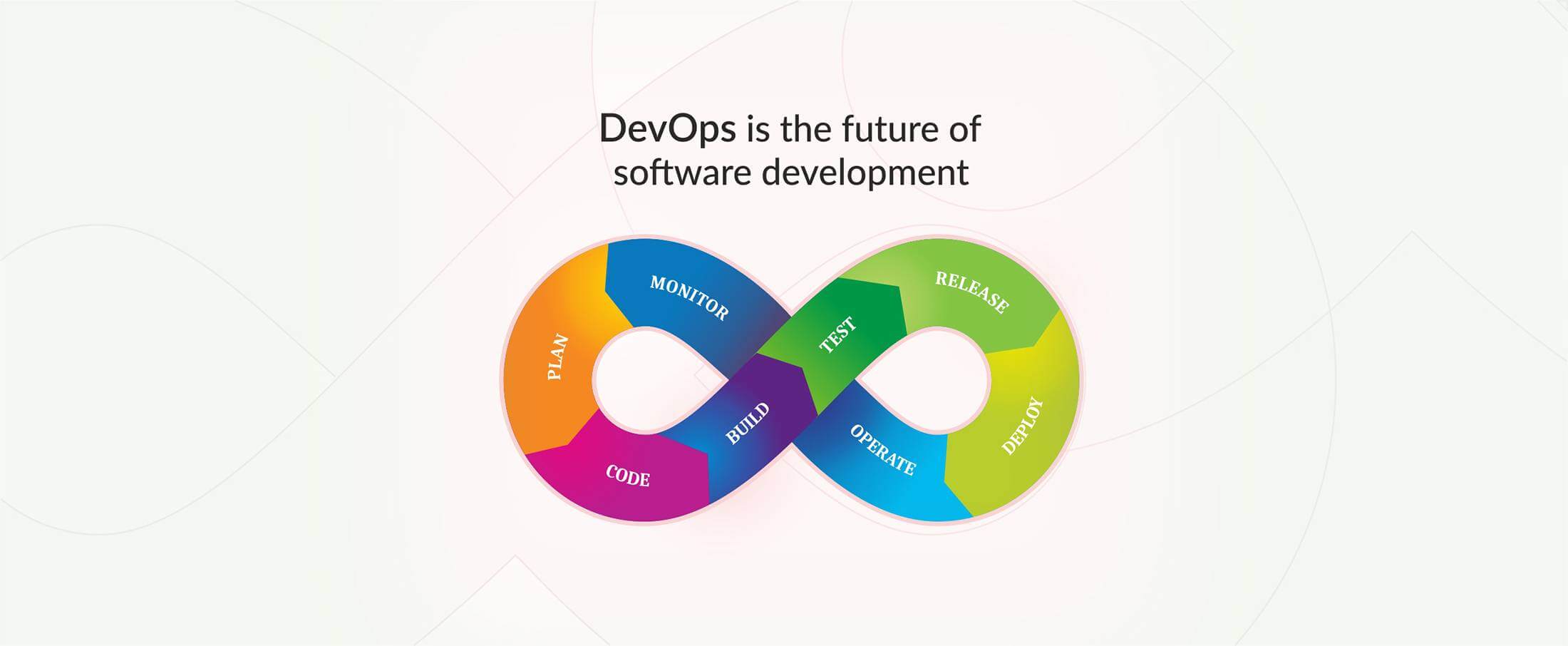
DevOps is the future of the software development

9 Proven Ways to Optimize Google Page Speed

3 Ways to Generate More Real Estate Sales Leads
Introduction to Elasticsearch
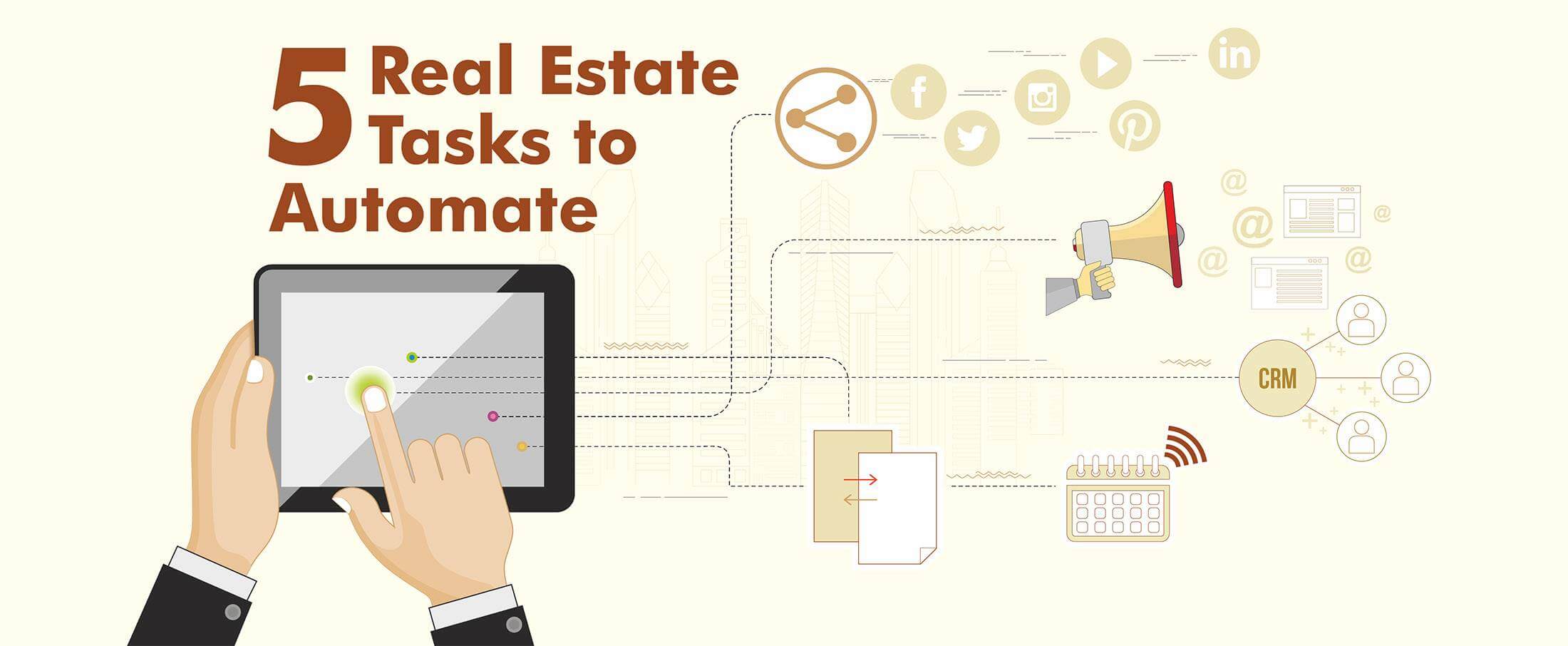
5 Real Estate Tasks to Automate
MLS Data: Roadblock for RealTech?

Part II – Writing Better, Faster and Easy to Maintain Mobil

Meteor Security Checks

3 Reasons Why You Need App Prototype For Your Idea

Apple Events September 2017

Part I – Writing Better, Faster and Easy to Maintain Mobile