Transforming Software: How AI is Making It More User-Friendly and Convenient

The world of software development has changed dramatically with the introduction of Artificial Intelligence. Now, features powered by AI determine how users engage with applications, crafting experiences that are both intuitive and responsive, tailored to each person’s needs.
The Importance of User-Friendly Software
User-friendly software is crucial for successful digital solutions. Today’s users want applications that:
- Understand their needs
- Anticipate what they’ll require
- Provide solutions with little effort on their part
AI fulfills these expectations by analyzing large amounts of user data to create personalized and efficient interactions.
How AI is Making Software More Convenient
AI’s influence on software convenience can be seen in several areas:
- Intelligent Interfaces – Software learns from how users behave to customize layouts
and workflows. - Smart Automation – Routine tasks are done automatically, cutting down on manual work.
- Predictive Assistance – Applications predict what users will need based on past behavior.
- Real-time Adaptability – Systems change their responses based on the current situation of the user.
These improvements driven by AI set a new benchmark for software usability. Applications that use AI can understand natural language, identify patterns, and make choices that simplify user tasks. The outcome is software that acts more like an intelligent assistant rather than just a tool, collaborating with users to reach their objectives efficiently.
1. How AI Chatbots Are Changing Customer Support Forever
AI chatbots have completely changed how customer support works. Instead of being slow and rigid, customer service is now fast and flexible, able to keep up with what customers want today. These smart virtual helpers can answer questions from customers quickly and accurately.
Why AI Chatbots Are Better Than Ever
- No More Waiting: With AI chatbots, customers don’t have to wait for help anymore.
They get answers right away. - Always the Same Quality: Every time a customer talks to a chatbot, they get the
same level of service because the chatbot follows specific rules. - Speaking Many Languages: AI chatbots can understand and respond in different
languages, making it easier for businesses to serve customers all over the world. - Handling Many Conversations at Once: Unlike human agents who can only talk to one person at a time, chatbots can handle thousands of conversations at once without getting tired or slowing down.
How AI Chatbots Make Customers Happier
One of the biggest benefits of having AI chatbots is that they’re always available. Whether it’s a holiday, weekend, or late at night – whenever your customers need help, they can get it right away. This means no more frustrated customers waiting for someone to help them.
In fact, studies show that having 24/7 support through AI chatbots can increase customer satisfaction rates by up to 80%.
The Secret Behind AI Chatbot Intelligence
So how do these chatbots know what to say? The answer lies in Natural Language Processing (NLP) and machine learning.
NLP allows chatbots to understand the meaning behind customer messages – not just the words themselves. This means they can figure out what someone wants even if they’re not being very clear about it.
Machine learning takes things a step further by using past conversations as training data. This helps chatbots improve over time and become even better at predicting what customers need.
Creating Personalized Experiences with AI Chatbots
Every customer is unique, which means their needs and preferences are too. That’s why it’s so important for businesses to provide personalized experiences whenever possible.
AI chatbots have an advantage here because they can remember things like previous conversations or specific details about individual customers. This allows them to tailor their responses based on each person’s history.
For example:
- If a returning customer asks about a product they’ve purchased before, the chatbot could bring up relevant information such as delivery status or warranty details.
- If someone frequently uses certain phrases or emojis when chatting with your brand, the chatbot could adapt its own language style accordingly.
When Human Help Is Needed: The Power of Integration
While AI chatbots are incredibly useful, there will always be situations where human intervention is necessary. Maybe there’s a complex issue that requires expert knowledge or an angry customer who needs empathy – these are challenges best handled by real people.
To address this gap in service delivery, many companies are integrating their chatbot systems with existing customer support platforms (like Zendesk or Freshdesk). This way:
- When an issue arises that can’t be resolved by the bot alone, it triggers an automatic ticket creation process
- A human agent picks up the ticket from there and continues assisting the customer
This combination of automation and human involvement ensures efficiency while still maintaining emotional connection during interactions – something that’s crucial for building long-term relationships with clients.
2. Automation and Monitoring for Efficiency
AI-driven automation transforms traditional software systems into intelligent powerhouses that minimize human intervention across various operations. These smart systems handle complex tasks with precision and speed that surpass manual capabilities.
Key Areas Where Automation Excels:
- Transaction Verification: AI systems automatically detect and flag suspicious patterns in financial transactions
- Quality Control: Real-time monitoring of product quality in manufacturing processes
- Inventory Management: Automated stock level tracking and reordering
- Security Surveillance: Smart detection of security breaches and unauthorized access
AI monitoring systems bring remarkable efficiency improvements through continuous analysis of operational data. These systems process vast amounts of information in real-time, identifying patterns and anomalies that human operators might miss.
Efficiency Gains Through AI Monitoring:
- 85% reduction in false alerts
- 60% faster response times to critical issues
- 40% decrease in operational costs
- 24/7 consistent monitoring without fatigue
Real-time alerts serve as the backbone of modern safety and optimization protocols. AI systems instantly notify relevant personnel when predefined thresholds are breached or unusual patterns emerge.
Critical Applications of Real-time Alerts:
- Equipment maintenance predictions
- Environmental condition monitoring
- Safety protocol violations
- Resource usage optimization
- Performance bottleneck detection
Smart automation systems adapt to changing conditions, learning from past experiences to improve their decision-making capabilities. This self-improving nature ensures that your operations become increasingly efficient over time, reducing errors while maximizing productivity.
3. Enhancing User Experience with AI
Employee Empowerment Through AI Tools
Real-time translation capabilities for global customer service
- Sentiment analysis to gauge customer satisfaction during interactions
- Smart scheduling systems that optimize employee workflows
- AI-assisted decision-making tools for complex customer inquiries
The integration of intelligent features reduces friction points in user interactions. Voice commands enable hands-free operation, while gesture recognition systems create natural, intuitive controls. AI-powered search functions understand context and intent, delivering more accurate results than traditional keyword-based searches.
Speed and convenience are the most important aspects of modern software design. AI- powered features change traditional user interfaces into intuitive, responsive systems that adjust to user preferences and behaviors in real-time.
Smart Interface Adaptation
AI algorithms analyze user interaction patterns
- Automatic adjustment of menu layouts based on usage frequency
- Dynamic content organization that evolves with user needs
- Predictive text and auto-completion features that learn from user input
Friction-Reducing Features
Smart forms that auto-populate based on previous interactions
- Context-aware help systems that anticipate user needs
- Intelligent error detection and correction
- Adaptive learning paths that customize user onboarding
These AI enhancements create a seamless experience across different devices and platforms. The software learns from each interaction, continuously refining its responses and recommendations. Face recognition and biometric authentication streamline security
measures while maintaining robust protection standards, aligning with Apple’s privacy features.
Moreover, the Webex Contact Center illustrates how AI can empower employees by providing them with advanced tools for managing customer interactions effectively. In sectors like banking, the McKinsey report highlights the transformative potential of AI in reshaping traditional banking experiences.
4. Personalization through Data Analysis
AI-powered data analysis transforms raw user information into meaningful personalized experiences. You’ll find this technology working behind the scenes in popular platforms like Netflix, Amazon, and Spotify, studying your behavior patterns to deliver tailored recommendations.
Smart Recommendation Systems
These systems create detailed user profiles by analyzing:
- Past transactions
- Time spent on specific items
- Click-through patterns
- Wishlist additions
- Cart abandonment data
How Smart Recommendation Systems Work:
- Purchase history analysis identifies your preferences
- Browsing patterns reveal your interests
- Social interactions shape content suggestions
- Real-time behavior tracking adjusts recommendations instantly
AI-Powered Purchase Streamlining
The integration of AI in purchasing processes creates a seamless shopping experience:
- Smart Search Functionality: AI algorithms understand natural language queries and
show relevant results based on your past interactions - Automated Price Optimization: Dynamic pricing adjusts to your buying patterns and
market conditions - Intelligent Cart Recovery: Personalized reminders and incentives based on your shopping preferences
- Custom Payment Options: AI analyzes your payment history to suggest preferred
payment methods
Companies implementing AI-driven personalization report up to 40% higher conversion rates and 30% increase in customer lifetime value. These systems continuously learn and adapt, becoming more accurate with each interaction.
The power of AI in personalization extends beyond retail – banking apps suggest personalized financial products, streaming services curate custom playlists, and news platforms deliver tailored content feeds based on your reading habits.
5. Efficiency Gains through Automation
AI-powered automation is changing the way businesses operate by taking care of repetitive and time-consuming tasks quickly and accurately. When you use AI technology, it can have a direct positive effect on your profits by significantly reducing costs:
- Lower Labor Costs: AI systems can handle thousands of transactions at once, eliminating the need for large teams to do manual processing
- Fewer Expenses from Mistakes: Automated systems reduce expensive errors in data entry, order processing, and inventory management
- Less Money Spent on Training: Once AI systems are set up, they require very little ongoing training compared to constantly training new human employees
The speed and accuracy of AI automation greatly increase your business’s capacity. With AI, you can:
- Process 10 times more customer orders every hour
- Handle multiple support tickets at the same time
- Perform complex calculations in just a few milliseconds
- Maintain consistent quality across all operations
Real-World Impact:
- 60% reduction in processing time
- 85% decrease in human error rates
- 40% cost savings in operational expenses
AI automation is particularly effective for managing tasks that involve a large volume of work, such as:
- Processing and reconciling invoices
- Verifying customer data
- Tracking and managing inventory
- Generating and analyzing reports
- Sorting and prioritizing email responses
The scalability of AI systems means that your business can handle sudden increases in demand without sacrificing the quality of service. During busy periods, AI-powered systems can maintain consistent response times while processing multiple requests at once, ensuring that your customers receive prompt attention no matter how many orders or inquiries come in.
22 July 2025
Conclusion
AI’s integration into software applications marks a defining shift in how we interact with technology. The transformation spans across industries – from retail to healthcare – creating intuitive, responsive, and personalized user experiences.
The impact is clear:
- Smarter interactions through AI chatbots and natural language processing
- Streamlined operations with automated monitoring and task management
- Personalized experiences driven by intelligent data analysis
- Enhanced efficiency in customer service and business operations
These intelligent features are reshaping software development, making applications more accessible and user-centric. As AI technology continues to evolve, we can expect even more sophisticated solutions that bridge the gap between user needs and software capabilities, creating a future where technology truly serves its users.
Related Posts

AI Code Review Bottleneck: Why PRs Slow Down

1 Breach, 3 Security Firms Burned

Your AI Tool Reads Too Much

$2M Risk: One API Ban Can Kill You

Anthropic Stores Every Prompt You Send — And May Be Lying to Yo
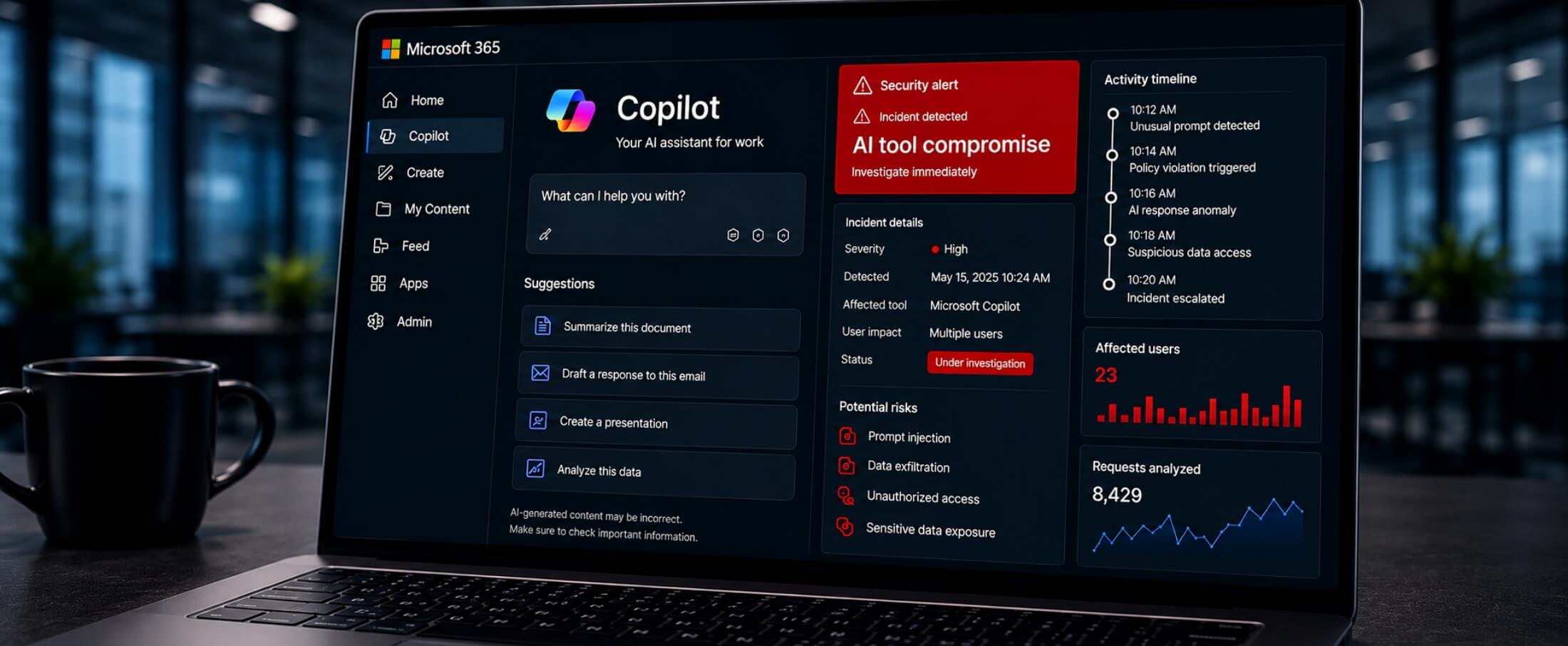
Microsoft’s AI Tools Were Hacked. Is Yours Next?

Why Uber Capped AI Coding Tools

Microsoft Build 2026: What Project Solara and AI Agent PCs Mean f

GitHub Copilot Just Got Expensive: Here’s What Smart ISVs A

Every AI Lab Is Now an Agent Lab — Here’s What ISVs Must

Google Says the Age of AI Agents Is Here: What SMB Owners Should

Why Your AI Subscriptions Are About to Blow Up Your Budget (And W

Building an AI Team for the Shop Floor

Why Zero Data Retention Will Make or Break Your AI Development St

Why Zero Data Retention Will Make or Break Your AI Development St

Claude Code Source Leak Reveals the Secret Architecture Behind AI

Supply Chain Attacks Are Exploding: How AI-Powered Security Scann

Gemma 4 vs Microsoft’s New Models: Which AI Stack Will Win the

Why Your Startup Is Overpaying 300% for AI (And How to Fix It)

Why the LiteLLM Supply Chain Attack Changes Everything for AI Dev
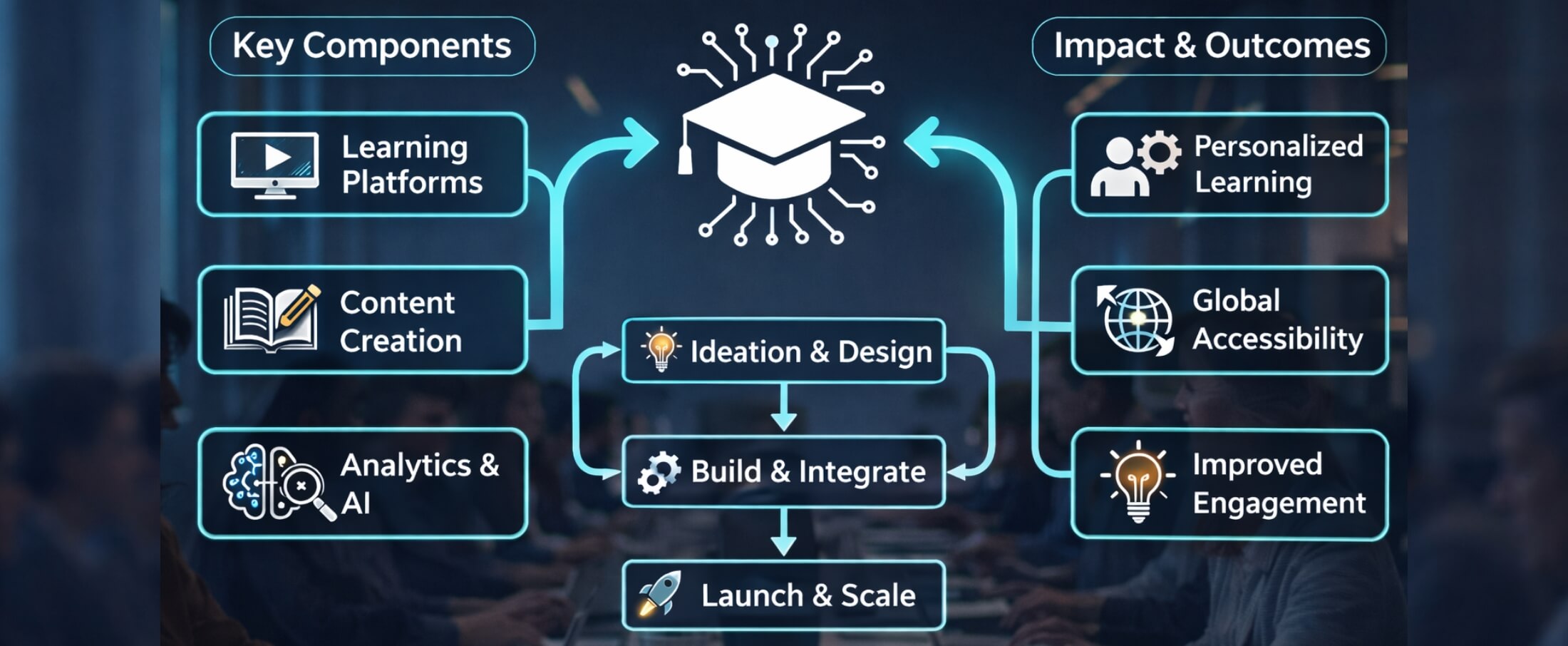
EdTech Development: Creating Engaging Learning Platforms

Integrating Multiple Systems? How Custom Software Can Break Down

Staff Augmentation vs Project Outsourcing: Which Model Fits Your

Building an App? 5 Mistakes to Avoid in the Early Stages

DevOps in Custom Software: Accelerating Delivery and Quality —

UI/UX Best Practices for Custom Web Applications — What They Re
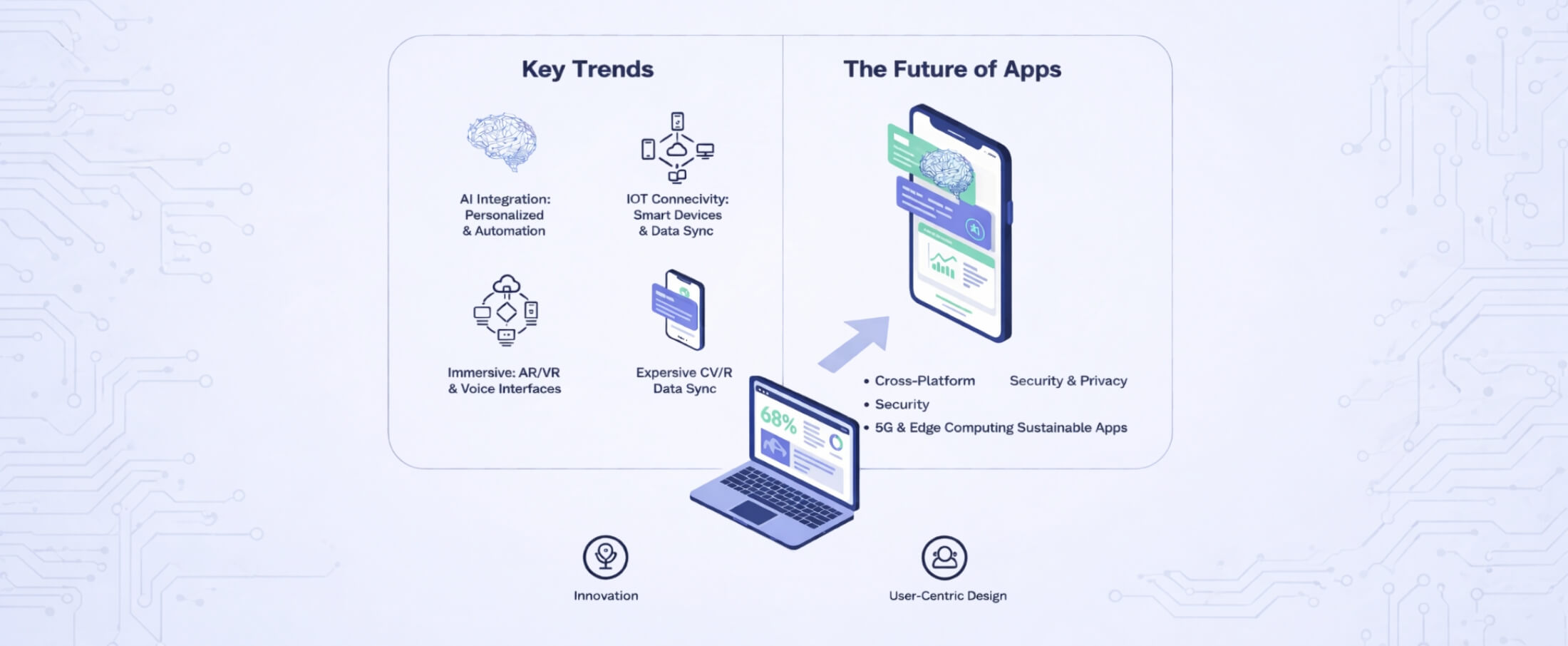
Mobile App Development Trends 2026: AI, IoT, and Beyond

Why Choosing the Right Tech Stack Matters

MVP Development: Focusing on Core Features for Success — and Ho

Inbox Under Threat: How Human Verification Can Protect Email From

How to Enhance User Engagement with These Mobile App UX Hacks

10 Signs Your Business Needs Custom Software (And Not Off-the-She

From Concept to Creation: Understanding Product Engineering Servi

Save Time and Money with Effective Prototyping in Software Projec

Securing Your Application: Best Practices from Day 1

Why Custom Software Is a Smart Investment for SMBs

Custom Software for Healthcare: Innovations That Meet Compliance

FinTech Software Development: Security and Compliance Best Practi

Understanding HIPAA Compliance in Healthcare App Development: A C

Breaking the Fix-It Loop – Why Patching Alone Slows Growth

Why ‘Technical Feasibility’ is Crucial Before Buildin

Can AI Replace Designers? The Real Impact on Creative Design Team

Redesigning Hiring for the Underserved – A Blueprint for Talent

Agile vs Waterfall: How to Decide the Best Fit for Your Project

Web App vs Mobile App: How to Choose the Right Platform for Your

Behavioral Traits – The Hidden Engine of Retention

Building Custom Software on a Budget: Expert Advice for Startups

UX as Emotional Infrastructure

Mock Interviews, Real Confidence: Preparing Beyond the Resume

Rapid Prototyping: How AI is Revolutionizing the Design Process i

What If Job Matching Measured Mindsets, Not Just Degrees?

Why Job Boards Fail in Developing Economies

Leave Management System – Admin & HR Controls

When Code Bows to Culture

The Role of AI in Super High Paced Development: Transforming the

Who is Soham Parekh?

Leave Management System – Instant Leave Decisions

Leave Management System – Employee Leave Flow

AI-Based Error Log Analyzer: A Smarter Way to Handle Infrastructu

Why Pictures (and Sounds) Speak Louder Than Tables

Leave Management System – Mobile First

Leave Management System – Real Cost

Leave Management System

Keeping Workers Safe: How Computer Vision Revolutionizes Industri
The AI Whisperer: Unmasking Public Opinion with Sentiment Analysi

EHR Interoperability: Enhancing Care Coordination

EHR Security Best Practices: Safeguarding Patient Data

The Benefits of Implementing EHR Systems in Healthcare

Big Data Trends in Healthcare
Business Intelligence for Healthcare Industry
How Mobile Apps Are Transforming Healthcare
Practical Use Cases of RPA in the Healthcare Industry
Google Core Update January 2020
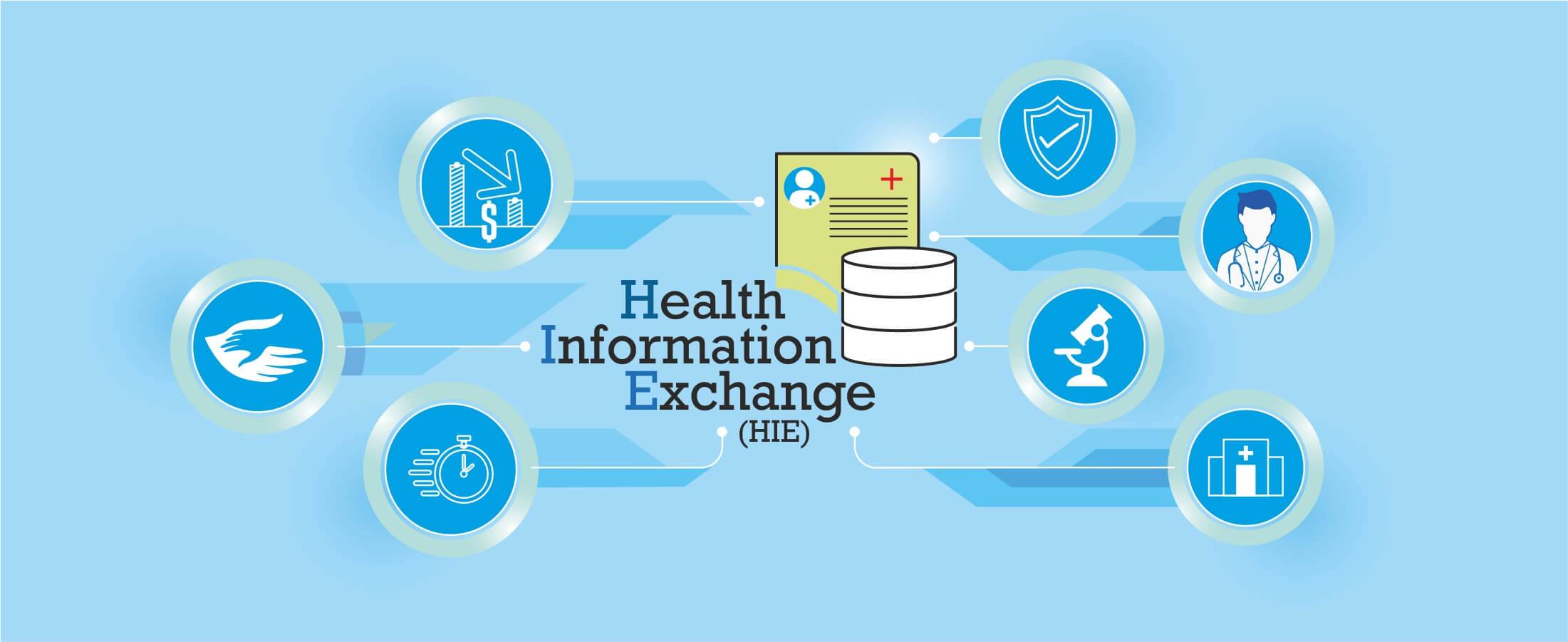
Health Information Exchange (HIE): A Primer

How Wearables are Helping to Monitor Patients
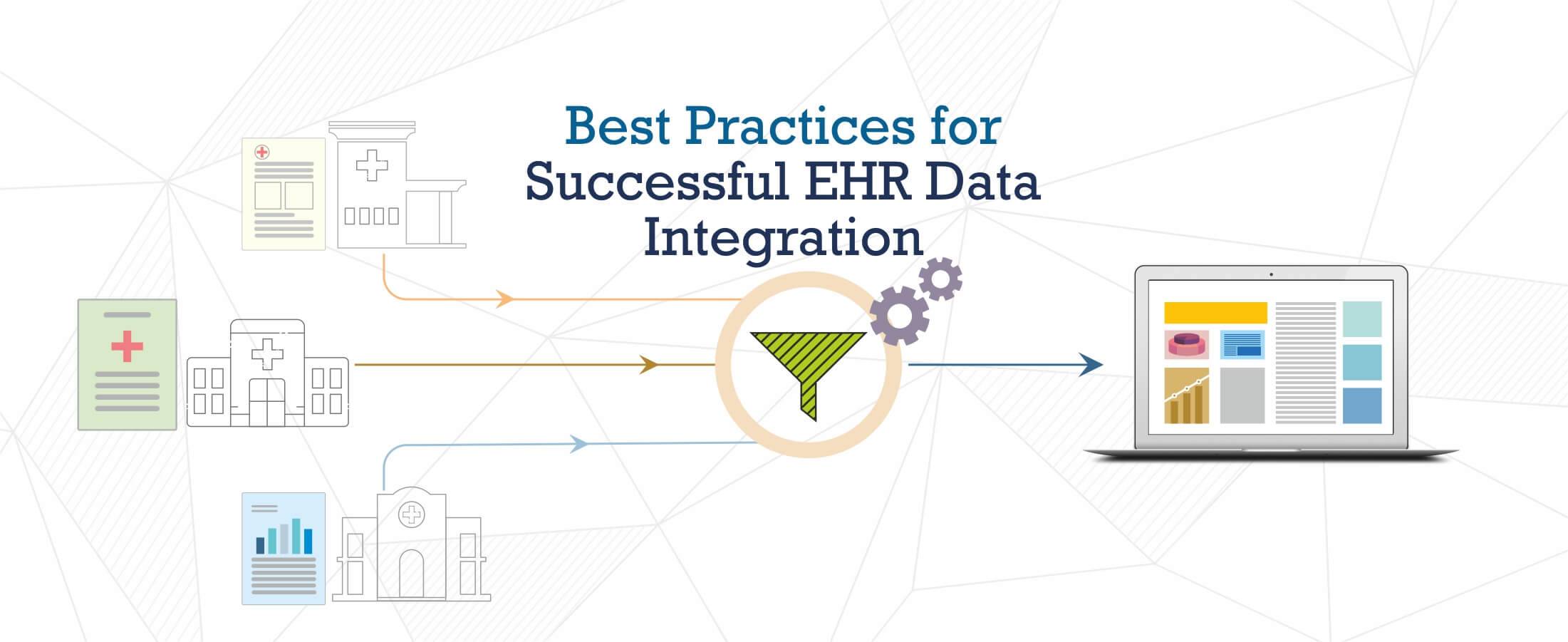
Best Practices for Successful EHR Data Integration
Importance of Sustainable Last-Mile Delivery Options in Building

Applications of 3D Printing in Healthcare
Application and Advantages of Artificial Intelligence and Machine
What is Technical SEO?
Healthcare Tech Space Review 2019
What is AWS Lambda? & AWS Lambda Use Case
Digital Marketing Strategies for Real Estate Agents

Web API and HL7 FHIR – The Future of Interoperability

Why FHIR is Better?
Real Estate Tech Space Review 2019

Improving Patient Care with Chronic Care Management
10 Healthcare Tech Trends to Follow in 2020

10 Real Estate Tech Trends to Follow in 2020
iBuyer: Disruptive Business Model or a Passing Fad?

Symptom Checker: Your personal mhealth app
Facebook for Real Estate Marketing
Use cases for Big Data in Real Estate
Can Real Estate be Uberized?
Using Predictive Analysis for Better Management of Patient Emerge
Challenges in Aggregating MLS Data

Home Navigation for the Visually Challenged

Uberization of Healthcare
Using mHealth for monitoring symptoms in children
Pinterest for Real Estate Marketing

Advancement of Voice Inputs over Text in Healthcare

Instagram for Real Estate Marketing
Chatbots in Healthcare
Why brokers are moving to custom solutions rather than using gene
Virtual Hospitals: Future of Healthcare

What Happens in Vegas, Stays in Vegas – Well, not if you ha

8 Healthcare Tech Trends to watch out for in 2019

6 Reasons Why Telemedicine Hasn’t Taken Off

5 Real Estate Tech Trends to watch out for in 2019
How MLS APIs Can Improve Your IDX Performance
How can Realtors generate quality leads using Social Media?
What is the difference between RETS and RESO Web API?
IoT for Healthcare

3D Home Tours – A must have in today’s world?

3D Printing in Real Estate

Pros & Cons of integrating RETS in your website

Blockchain: Opportunities for Healthcare

Pros & Cons of Integrating IDX in your Website

4 Reasons why you need to integrate RESO compliant MLS

Docker Selenium Grid for Parallel Test Execution
IDX vs RETS vs MLS vs RESO
How is AI Transforming Healthcare
The Future of Virtual Reality in Healthcare

Smart Contracts in Real Estate using Blockchain

How To Choose The Right CRM For Your Business

Best UX Design Practices for Healthcare Applications
FHIR Integration for Better Patient Engagement
IoT for SMART Real Estate
AI to Automate Pre-Showing Process

Best Practices for Healthcare Data Governance

Will Virtual Reality in Real Estate Replace Property Showing?

A Secure Web is Here

Will Uber-ized Property Showing Gain Momentum?
Future of Cloud Computing in Healthcare
5 Real Estate Tech Predictions for 2018

Key Takeaways From Inman Connect NYC 2018 #ICNY
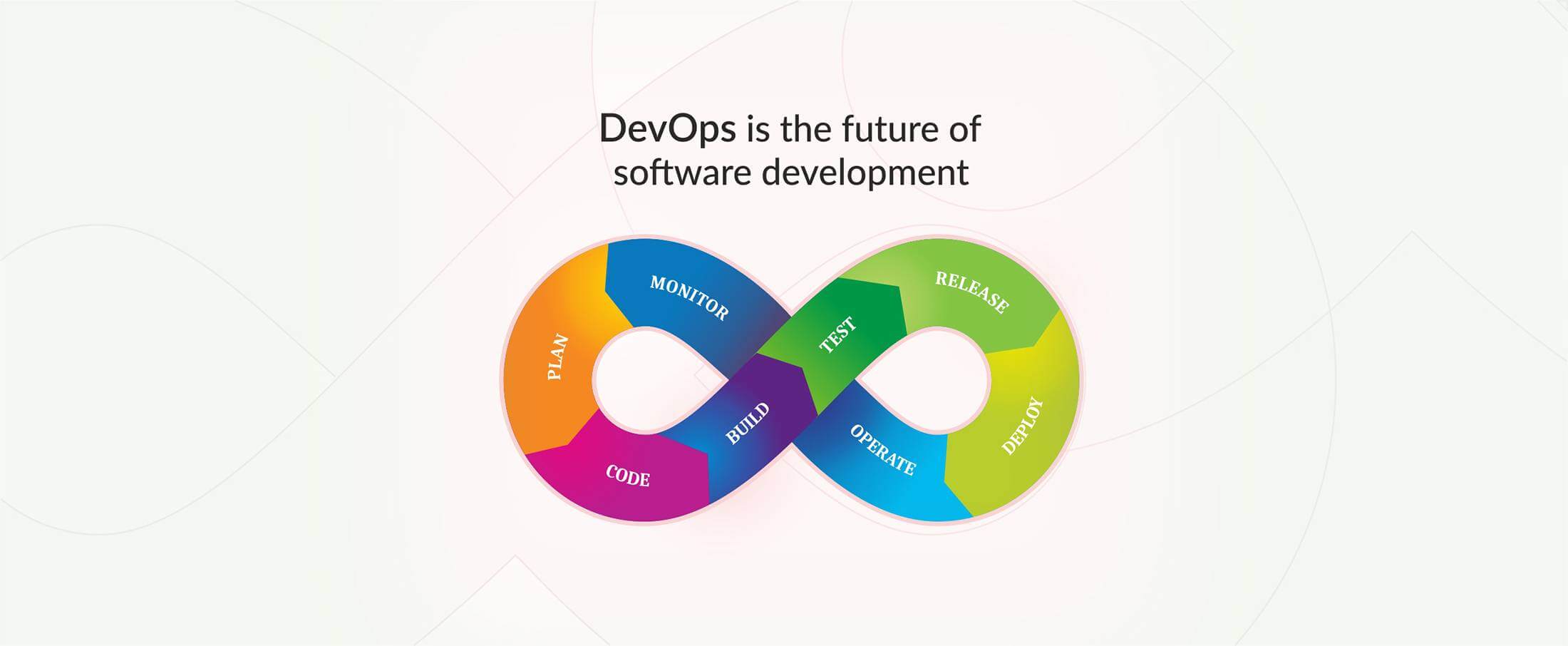
DevOps is the future of the software development

9 Proven Ways to Optimize Google Page Speed

3 Ways to Generate More Real Estate Sales Leads
Introduction to Elasticsearch
5 Real Estate Tasks to Automate

MLS Data: Roadblock for RealTech?

Part II – Writing Better, Faster and Easy to Maintain Mobil

Meteor Security Checks

3 Reasons Why You Need App Prototype For Your Idea

Apple Events September 2017

Part I – Writing Better, Faster and Easy to Maintain Mobile