Agile vs Waterfall: How to Decide the Best Fit for Your Project

Choosing the right software development methodology can make or break your project’s success. The Software Development Life Cycle (SDLC) serves as your project’s blueprint, guiding teams through the complex journey from concept to deployment.
Two methodologies stand out in the software development landscape: Agile and Waterfall. These approaches represent distinct philosophies in project management and development practices:
- Waterfall follows a linear, sequential path where each phase must be completed before moving to the next
- Agile embraces flexibility through iterative development cycles and continuous feedback
Your choice between these methodologies impacts:
- Project timeline and delivery
- Team collaboration and communication
- Risk management strategies
- Budget allocation
- Stakeholder involvement
Think of SDLC methodologies as different routes to the same destination. Just as you wouldn’t take an off-road vehicle on a highway commute, not every development approach suits every project. The key lies in understanding your project’s unique requirements, team dynamics, and business objectives.
The stakes are high – research shows that 70% of software projects fail due to poor methodology selection. Your development methodology choice shapes how your team works, communicates, and delivers value to stakeholders.
Let’s explore these methodologies in detail to help you make an informed decision for your next software development project.
Understanding Waterfall Methodology
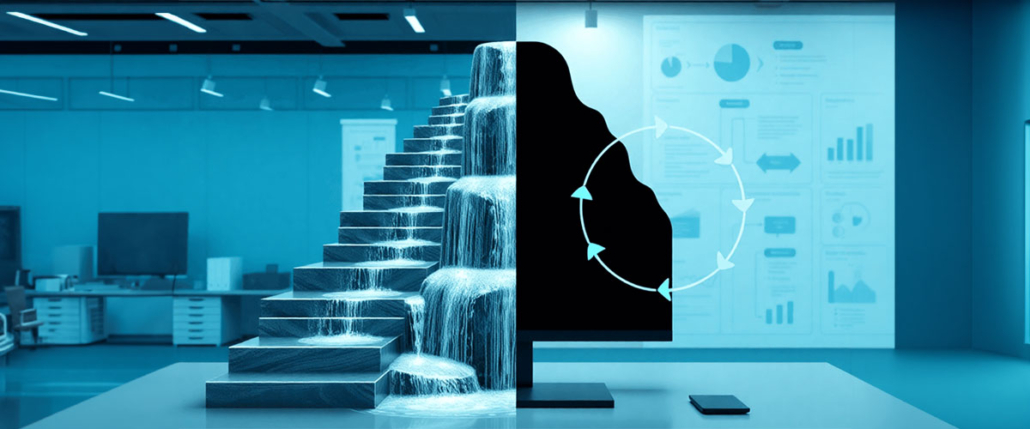
The Waterfall model represents a systematic, linear approach to software development where each phase flows naturally into the next – like water cascading down a series of steps. This traditional methodology follows a strict sequence of distinct phases:
1. Requirements Gathering
- Detailed documentation of all project requirements
- Stakeholder interviews and needs analysis
- Creation of comprehensive requirement specifications
- Architecture planning and documentation
- Database schema development
- Interface design specifications
3. Implementation
- Writing code based on design documents
- Building system components
- Creating unit tests
4. Testing
- Integration testing of system components
- System testing against requirements
- User acceptance testing
5. Deployment
- System installation
- User training
- Production environment setup
6. Maintenance
- Bug fixes and patches
- System updates
- Performance monitoring
Each phase in the Waterfall model requires thorough documentation and sign-off before proceeding to the next stage. This rigorous documentation practice creates a clear audit trail and serves as a reference point for future maintenance or updates.
The model’s structured nature makes it particularly suitable for projects where requirements are well-understood and unlikely to change. Industries such as manufacturing, construction, and healthcare often prefer this methodology due to its emphasis on documentation and regulatory compliance.
Understanding Agile Methodology
Agile methodology emerged in the late 1990s as software developers sought alternatives to traditional, documentation-heavy development approaches. The turning point came in 2001 when 17 software practitioners gathered in Utah to create the Agile Manifesto, establishing the foundation of modern Agile practices.
Key Values of Agile
The Agile Manifesto prioritizes four key values:
- Individuals and interactions over processes and tools
- Working software over comprehensive documentation
- Customer collaboration over contract negotiation
- Responding to change over following a plan
How Agile Works
These values translate into practical development through iterative cycles called sprints. Each sprint typically spans 2-4 weeks, delivering a working piece of software. This approach allows teams to:
- Break complex projects into manageable chunks
- Adapt to changing requirements
- Deliver value faster to stakeholders
- Learn from user feedback early in development
The Structure of a Sprint
The sprint structure follows a consistent pattern:
- Sprint Planning: Team selects tasks from the product backlog
- Daily Stand-ups: Quick team meetings to track progress
- Development Work: Active coding and testing
- Sprint Review: Demonstration of completed features
- Sprint Retrospective: Team reflection and process improvement
Empowering Teams with Agile
Agile teams operate with high autonomy, making decisions at the team level rather than waiting for top-down approvals. This self-organization, combined with regular stakeholder feedback, creates a dynamic environment focused on delivering customer value through working software.
Agile vs Waterfall: A Comparative Analysis
The fundamental differences between Agile and Waterfall methodologies shape project outcomes in distinct ways. Let’s examine their key contrasts:
1. Process Flow Structure
- Waterfall follows a rigid, sequential path: requirements → design → implementation → testing → deployment
- Agile operates in short, iterative cycles called sprints, typically lasting 2-4 weeks
- Each sprint delivers a working piece of software, while Waterfall delivers the complete product at the end
- Waterfall requires extensive upfront planning with changes requiring formal documentation
- Changes in Waterfall can trigger a return to previous phases, causing delays
- Agile embraces changes through regular sprint planning and backlog refinement
- New requirements can be incorporated into upcoming sprints without disrupting the current work
- Waterfall limits stakeholder involvement to specific phase gates:
- Initial requirements gathering
- Final product review
- Major milestone approvals
- Agile promotes continuous stakeholder participation:
- Daily standups
- Sprint planning sessions
- Sprint reviews
- Regular demos of working software
The choice between these methodologies impacts team dynamics, project timelines, and product quality. A startup building a new mobile app might thrive with Agile’s flexibility, while a medical device manufacturer might require Waterfall’s structured approach to meet regulatory requirements.
Benefits and Drawbacks of Waterfall Methodology
The Waterfall methodology shines in specific project scenarios with its structured approach to development. Let’s examine its key strengths and limitations:
Key Benefits:
- Clear Risk Assessment: Distinct phase boundaries enable thorough risk evaluation, each milestone provides natural checkpoints for quality control, and teams can identify potential issues before moving to next phases.
- Documentation Excellence: Detailed requirements documentation from project start, comprehensive design specifications aid future maintenance, and clear audit trails for regulatory compliance.
- Predictable Project Management: Well-defined scope reduces budget uncertainties, fixed timelines help in resource allocation, and clear deliverables at each phase.
Notable Drawbacks:
- Change Resistance: Modifications after phase completion are costly, new requirements often need separate project cycles, and testing occurs late in the development cycle.
- Time-Intensive Progress: Each phase must complete before the next begins, no room for parallel task execution, and long wait times for stakeholder feedback.
The Waterfall methodology particularly suits projects in regulated industries like healthcare or government sectors where documentation requirements are strict. Banking software development teams often choose Waterfall for its predictability and clear audit trails. Manufacturing systems benefit from its structured approach to requirement gathering and implementation.
Advantages and Challenges of Agile Approach
Agile methodology shines in its ability to adapt to changing requirements. You can modify project specifications, add features, or pivot direction based on user feedback without disrupting the development process. This flexibility proves invaluable in fast-paced industries where market demands shift rapidly.
Key Advantages:
- Real-time collaboration between developers, stakeholders, and end-users
- Quick delivery of working software through short sprint cycles
- Continuous testing and integration reducing the risk of major defects
- Regular feedback loops enabling rapid improvements
The empowered team structure in Agile creates a dynamic work environment. Cross-functional teams take ownership of their work, make decisions autonomously, and solve problems efficiently. This autonomy often results in higher team morale and productivity. For instance, leveraging headless CMS for technical cross-functionality can significantly enhance this aspect.
Notable Challenges:
- Scope creep can emerge when stakeholders continuously request new features
- Project costs may increase due to undefined requirements
- Team burnout from constant sprint cycles
- Difficulty maintaining comprehensive documentation
Scope creep is a notable challenge in Agile projects, as it can occur when stakeholders persistently request new features. Resource management becomes complex in such scenarios. Teams must balance delivering immediate sprint goals while maintaining long-term project vision.
Technical debt can accumulate if teams prioritize speed over code quality. This issue is further exacerbated by the tech debt mindset, which can lead to neglecting essential aspects of the codebase.
The success of Agile implementation heavily depends on team experience and organizational culture. Inexperienced teams might struggle with self-organization, while traditional organizations may resist the cultural shift required for Agile adoption.
Exploring Hybrid Approaches: Combining Elements from Both Methodologies for Optimal Solutions
Hybrid SDLC models blend the best aspects of Waterfall and Agile methodologies to create customized solutions for specific project needs. Here’s how you can implement a hybrid approach:
- Planning Phase: Use Waterfall’s structured documentation for initial requirements and project scope
- Development Cycles: Adopt Agile sprints for iterative development and testing
- Release Strategy: Implement major releases following Waterfall milestones while delivering incremental updates through Agile iterations
Real-World Applications:
- Healthcare Projects: Combine rigid documentation requirements with flexible development cycles
- Enterprise Software: Use structured planning for core features while allowing agile adaptations for user interface improvements
- Government Contracts: Balance strict compliance needs with iterative delivery methods
A hybrid approach works particularly well when your project demands both structure and flexibility. You gain the benefits of detailed documentation and clear milestones while maintaining the ability to adapt to changing requirements during development phases.
- Agile methodology
- Agile project management
- Agile vs Waterfall
- SDLC models
- Software Development Life Cycle (SDLC)
- Waterfall methodology
- Waterfall project management
18 Aug 2025
Related Posts
No-Rewrite Cloud Migration: 26 Services, 5% Code Changes
Modernising a Working Product with AI
Cloud Migration Costs: Why an 11% Higher Bill Was Worth It
Hire an AI Team, Not Software: The Agentic AI Playbook
Your AI Agent Is Broken
AI Code Review Bottleneck: Why PRs Slow Down

1 Breach, 3 Security Firms Burned
Your AI Tool Reads Too Much

$2M Risk: One API Ban Can Kill You

Anthropic Stores Every Prompt You Send — And May Be Lying to Yo
Microsoft’s AI Tools Were Hacked. Is Yours Next?

Why Uber Capped AI Coding Tools
Microsoft Build 2026: What Project Solara and AI Agent PCs Mean f

GitHub Copilot Just Got Expensive: Here’s What Smart ISVs A

Every AI Lab Is Now an Agent Lab — Here’s What ISVs Must

Google Says the Age of AI Agents Is Here: What SMB Owners Should

Why Your AI Subscriptions Are About to Blow Up Your Budget (And W

Building an AI Team for the Shop Floor

Why Zero Data Retention Will Make or Break Your AI Development St

Why Zero Data Retention Will Make or Break Your AI Development St

Claude Code Source Leak Reveals the Secret Architecture Behind AI

Supply Chain Attacks Are Exploding: How AI-Powered Security Scann

Gemma 4 vs Microsoft’s New Models: Which AI Stack Will Win the

Why Your Startup Is Overpaying 300% for AI (And How to Fix It)

Why the LiteLLM Supply Chain Attack Changes Everything for AI Dev
EdTech Development: Creating Engaging Learning Platforms

Integrating Multiple Systems? How Custom Software Can Break Down

Staff Augmentation vs Project Outsourcing: Which Model Fits Your

Building an App? 5 Mistakes to Avoid in the Early Stages
DevOps in Custom Software: Accelerating Delivery and Quality —

UI/UX Best Practices for Custom Web Applications — What They Re
Mobile App Development Trends 2026: AI, IoT, and Beyond

Why Choosing the Right Tech Stack Matters

MVP Development: Focusing on Core Features for Success — and Ho

Inbox Under Threat: How Human Verification Can Protect Email From

How to Enhance User Engagement with These Mobile App UX Hacks

10 Signs Your Business Needs Custom Software (And Not Off-the-She

From Concept to Creation: Understanding Product Engineering Servi

Save Time and Money with Effective Prototyping in Software Projec

Securing Your Application: Best Practices from Day 1

Why Custom Software Is a Smart Investment for SMBs

Custom Software for Healthcare: Innovations That Meet Compliance

FinTech Software Development: Security and Compliance Best Practi

Understanding HIPAA Compliance in Healthcare App Development: A C

Breaking the Fix-It Loop – Why Patching Alone Slows Growth

Why ‘Technical Feasibility’ is Crucial Before Buildin

Can AI Replace Designers? The Real Impact on Creative Design Team

Redesigning Hiring for the Underserved – A Blueprint for Talent

Web App vs Mobile App: How to Choose the Right Platform for Your

Behavioral Traits – The Hidden Engine of Retention

Building Custom Software on a Budget: Expert Advice for Startups

UX as Emotional Infrastructure

Mock Interviews, Real Confidence: Preparing Beyond the Resume

Rapid Prototyping: How AI is Revolutionizing the Design Process i

What If Job Matching Measured Mindsets, Not Just Degrees?

Why Job Boards Fail in Developing Economies

Transforming Software: How AI is Making It More User-Friendly and

Leave Management System – Admin & HR Controls

When Code Bows to Culture

The Role of AI in Super High Paced Development: Transforming the

Who is Soham Parekh?

Leave Management System – Instant Leave Decisions

Leave Management System – Employee Leave Flow

AI-Based Error Log Analyzer: A Smarter Way to Handle Infrastructu

Why Pictures (and Sounds) Speak Louder Than Tables

Leave Management System – Mobile First

Leave Management System – Real Cost
Leave Management System

Keeping Workers Safe: How Computer Vision Revolutionizes Industri
The AI Whisperer: Unmasking Public Opinion with Sentiment Analysi
EHR Interoperability: Enhancing Care Coordination
EHR Security Best Practices: Safeguarding Patient Data

The Benefits of Implementing EHR Systems in Healthcare
Big Data Trends in Healthcare
Business Intelligence for Healthcare Industry
How Mobile Apps Are Transforming Healthcare
Practical Use Cases of RPA in the Healthcare Industry
Google Core Update January 2020
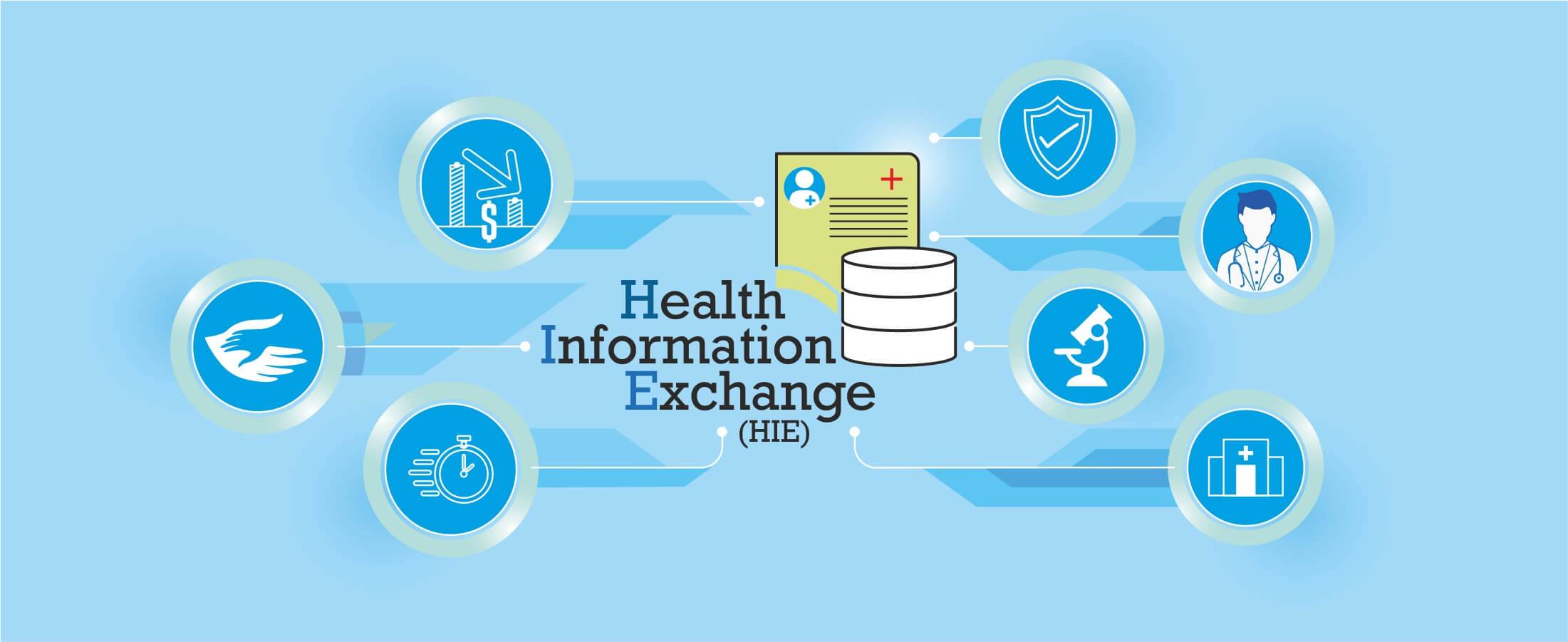
Health Information Exchange (HIE): A Primer
How Wearables are Helping to Monitor Patients
Best Practices for Successful EHR Data Integration
Importance of Sustainable Last-Mile Delivery Options in Building
Applications of 3D Printing in Healthcare
Application and Advantages of Artificial Intelligence and Machine
What is Technical SEO?
Healthcare Tech Space Review 2019

What is AWS Lambda? & AWS Lambda Use Case
Digital Marketing Strategies for Real Estate Agents
Web API and HL7 FHIR – The Future of Interoperability
Why FHIR is Better?
Real Estate Tech Space Review 2019
Improving Patient Care with Chronic Care Management
10 Healthcare Tech Trends to Follow in 2020
10 Real Estate Tech Trends to Follow in 2020
iBuyer: Disruptive Business Model or a Passing Fad?
Symptom Checker: Your personal mhealth app
Facebook for Real Estate Marketing
Use cases for Big Data in Real Estate
Can Real Estate be Uberized?
Using Predictive Analysis for Better Management of Patient Emerge
Challenges in Aggregating MLS Data
Home Navigation for the Visually Challenged
Uberization of Healthcare
Using mHealth for monitoring symptoms in children
Pinterest for Real Estate Marketing

Advancement of Voice Inputs over Text in Healthcare
Instagram for Real Estate Marketing
Chatbots in Healthcare
Why brokers are moving to custom solutions rather than using gene
Virtual Hospitals: Future of Healthcare

What Happens in Vegas, Stays in Vegas – Well, not if you ha
8 Healthcare Tech Trends to watch out for in 2019
6 Reasons Why Telemedicine Hasn’t Taken Off
5 Real Estate Tech Trends to watch out for in 2019
How MLS APIs Can Improve Your IDX Performance
How can Realtors generate quality leads using Social Media?

What is the difference between RETS and RESO Web API?
IoT for Healthcare

3D Home Tours – A must have in today’s world?
3D Printing in Real Estate
Pros & Cons of integrating RETS in your website

Blockchain: Opportunities for Healthcare
Pros & Cons of Integrating IDX in your Website
4 Reasons why you need to integrate RESO compliant MLS
Docker Selenium Grid for Parallel Test Execution
IDX vs RETS vs MLS vs RESO
How is AI Transforming Healthcare
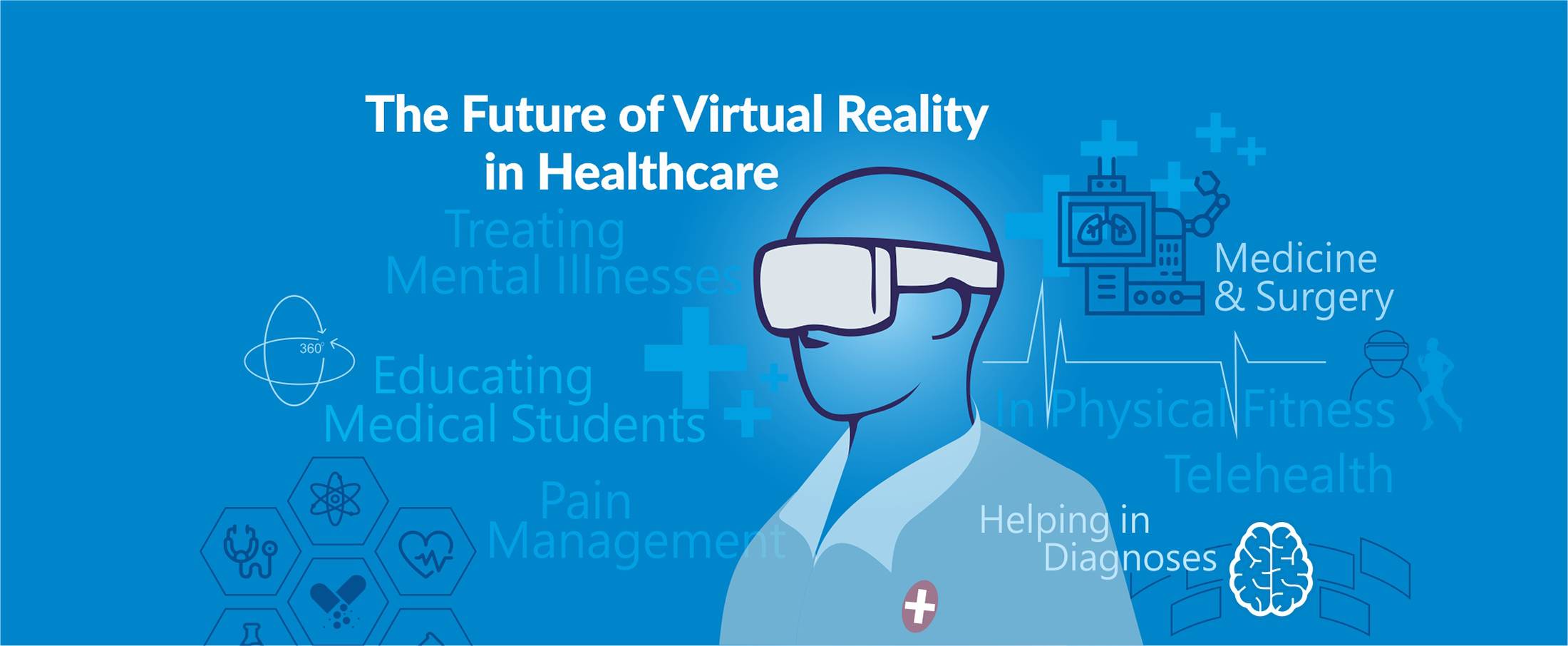
The Future of Virtual Reality in Healthcare
Smart Contracts in Real Estate using Blockchain

How To Choose The Right CRM For Your Business
Best UX Design Practices for Healthcare Applications
FHIR Integration for Better Patient Engagement
IoT for SMART Real Estate
AI to Automate Pre-Showing Process
Best Practices for Healthcare Data Governance

Will Virtual Reality in Real Estate Replace Property Showing?
A Secure Web is Here
Will Uber-ized Property Showing Gain Momentum?
Future of Cloud Computing in Healthcare
5 Real Estate Tech Predictions for 2018
Key Takeaways From Inman Connect NYC 2018 #ICNY
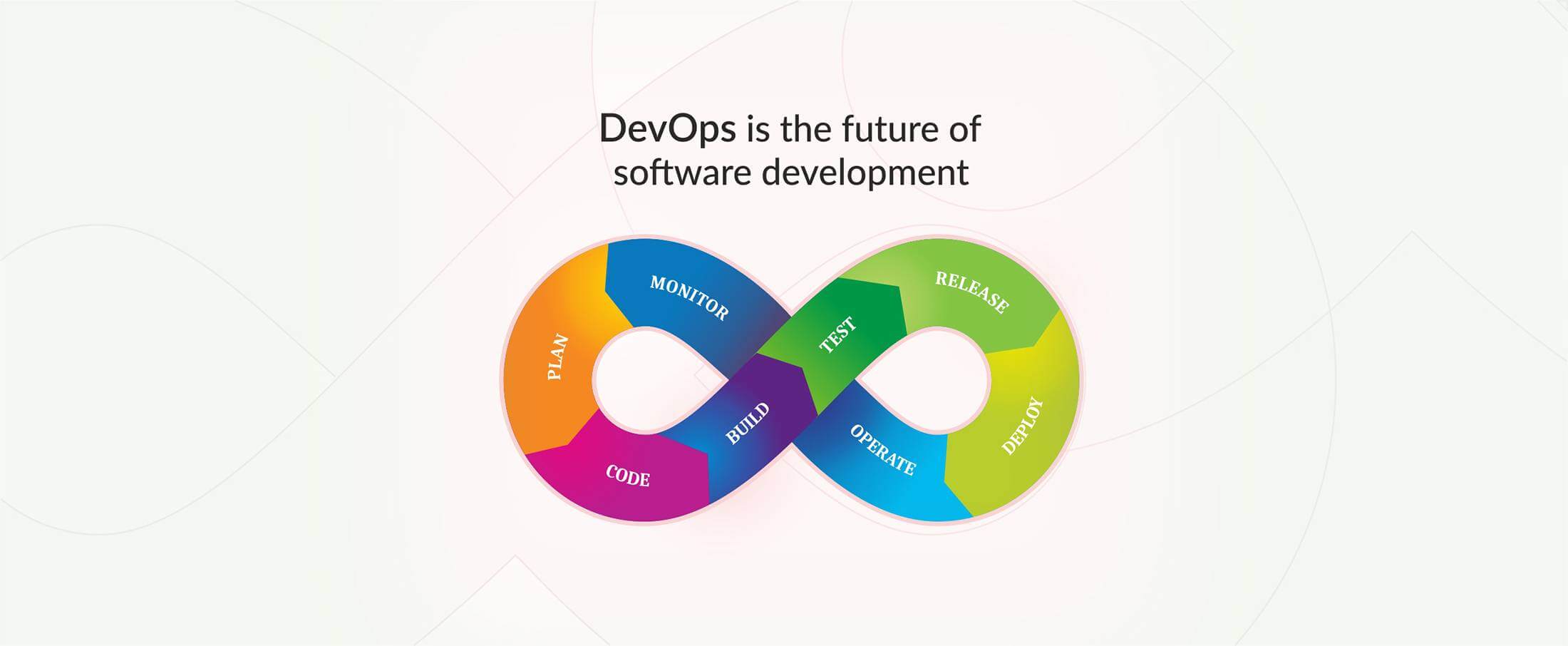
DevOps is the future of the software development
9 Proven Ways to Optimize Google Page Speed

3 Ways to Generate More Real Estate Sales Leads
Introduction to Elasticsearch
5 Real Estate Tasks to Automate
MLS Data: Roadblock for RealTech?

Part II – Writing Better, Faster and Easy to Maintain Mobil
Meteor Security Checks
3 Reasons Why You Need App Prototype For Your Idea
Apple Events September 2017

Part I – Writing Better, Faster and Easy to Maintain Mobile