Why ‘Technical Feasibility’ is Crucial Before Building Your App

Why 'Technical Feasibility' is Crucial Before Building Your App
You’ve got a brilliant app idea that could change your industry. You’re excited as you picture users downloading your app and improving their daily lives. But before you start building, there’s an important step that can make the difference between a successful launch and an expensive failure: technical feasibility.
Technical feasibility is a way to figure out if your app can actually be built using current technologies, available resources, and realistic limitations. It looks at everything from how you’ll implement the main features to how you’ll keep user data secure. By doing this assessment early on, you can spot any potential problems that might slow down or stop your project.
Think of it as a reality check for your app idea. You need to find out if what you want to create is possible, affordable, and sustainable in the long run.
In this article, we’ll go over the key parts of a feasibility study. We’ll talk about things like platform limitations, security needs, resource evaluation, and tools for validation such as prototyping. You’ll see how doing a thorough technical evaluation can protect your investment, gain the trust of stakeholders, and increase the chances of success in your app development journey.
Understanding Technical Feasibility in App Development
Technical feasibility serves as your guide for determining whether your app concept can transform from idea to reality using existing technology platforms and available resources. This comprehensive evaluation process examines every technical aspect of your proposed application before you commit significant time and budget to development.
At its core, technical feasibility answers a fundamental question: Can your app’s vision be built with current technologies? You need to scrutinize each planned feature against the capabilities of modern development frameworks, programming languages, and third-party services. This analysis reveals whether your core functionality aligns with what’s technically achievable within your constraints.
Evaluating Your App's Features
The evaluation process begins with mapping your app’s essential features against available development tools and platforms. You’ll examine whether iOS and Android platforms can support your required functionalities, assess if web technologies can handle your performance demands, and determine if emerging technologies like AR/VR integration are viable for your specific use case.
Assessing Infrastructure Needs
Infrastructure assessment forms another critical pillar of technical feasibility. You must evaluate:
- Server capacity requirements for expected user loads
- Database architecture complexity and scalability needs
- Network bandwidth demands for data-intensive features
- Cloud storage solutions and their integration capabilities
- Content delivery networks for global app performance
Your hardware and software infrastructure requirements extend beyond basic hosting considerations. Real-time features like live chat or GPS tracking demand robust backend systems, while complex data processing requires powerful server configurations. You need to assess whether your chosen infrastructure can handle peak usage scenarios without compromising user experience.
Ensuring Compatibility Across Devices
The technical feasibility study also examines compatibility requirements across different devices, operating system versions, and screen sizes. This evaluation ensures your app functions consistently across your target user base’s diverse technical environments, preventing costly compatibility issues during development.
Key Components of a Technical Feasibility Study
A comprehensive technical feasibility study examines several critical areas that determine whether your app can be built successfully. Each component requires careful evaluation to prevent costly surprises during development.
Platform Limitations Assessment
Platform constraints can make or break your app’s functionality. Real-time data synchronization presents unique challenges across different platforms – iOS handles WebSocket connections differently than Android, and web browsers impose their own restrictions on persistent connections. Native mobile functionalities like camera access, GPS tracking, or biometric authentication vary significantly between operating systems. You need to identify these limitations early because they directly impact your app’s core features.
Consider push notifications as an example. While both iOS and Android support them, their implementation requirements differ substantially. iOS requires Apple Push Notification service (APNs) certificates, while Android uses Firebase Cloud Messaging (FCM). These platform limitations affect your development timeline and resource allocation.
Third-Party Integrations Analysis
Third-party integrations form the backbone of most modern applications. Payment processors like Stripe or PayPal, social media APIs, mapping services, and analytics tools all come with specific requirements and constraints. You must evaluate API rate limits, authentication methods, data formats, and service reliability.
Each integration point introduces potential failure scenarios. Stripe’s API might handle 100 requests per second, but your chosen mapping service might only support 50. These mismatches create bottlenecks that affect user experience and require architectural adjustments.
Database Design and Backend Infrastructure
Database design complexity scales dramatically with your app’s feature set. Simple user profiles require basic relational structures, but real-time chat applications need sophisticated data models with message queuing and synchronization mechanisms. Backend infrastructure must support your expected user load while maintaining response times under 200 milliseconds.
Cloud providers offer different capabilities – AWS Lambda excels at serverless functions but has cold start delays, while dedicated servers provide consistent performance at higher costs. Your choice impacts both development complexity and operational expenses.
Importance of Security and Compliance in Technical Feasibility
Security considerations are crucial for the success of any app development project. It is essential to assess whether your proposed app can meet the strict security standards required for your specific industry.
Industry-Specific Compliance Requirements
Different industries have different compliance requirements that must be addressed during the development process. Here are some examples:
- Healthcare apps must demonstrate HIPAA compliance capabilities from the ground up.
- Apps handling European user data require robust GDPR compliance frameworks.
- Financial applications demand PCI DSS compliance.
- Educational platforms need FERPA adherence.
- Government-facing apps require specific cybersecurity frameworks.
These compliance requirements will directly influence your choices regarding technology stack, database architecture, and development approach.
Impact of Data Protection Laws on Technical Feasibility
Data protection laws such as GDPR and HIPAA impose technical constraints that cannot be easily modified later on. It is crucial to understand how these laws impact your app’s design and architecture:
- GDPR’s “right to be forgotten” requires specific database design patterns.
- HIPAA’s audit trail requirements influence your logging and monitoring systems.
During your technical feasibility study, you should evaluate whether the technologies you have selected can effectively implement the following security measures:
- End-to-end encryption for data in transit and at rest
- Granular user consent management systems
- Automated data retention and deletion processes
- Comprehensive audit logging capabilities
- Multi-factor authentication mechanisms
Consequences of Non-Compliance
The cost of non-compliance goes beyond legal penalties. If your technical architecture fails to support mandatory security requirements, there is a risk of complete project failure. It is essential to conduct an early security assessment to avoid expensive architectural changes later on and ensure that your development timeline accounts for the complexity of implementing compliance measures.
Assessing Development Resources and Expertise
Your app’s technical requirements mean nothing without the right team and tools to execute them. Development skills assessment begins with mapping your project’s technology stack against your team’s current capabilities. If you’re building a React Native app with machine learning features, you need developers who understand both cross-platform mobile development and AI implementation.
The gap analysis becomes critical when you discover your team lacks expertise in specific areas. You might have excellent frontend developers but no one experienced with cloud infrastructure management or real-time data processing. This mismatch can derail your project timeline and budget faster than any technical challenge.
Hardware environment verification extends beyond basic computing power. Your development team needs access to physical devices for testing across different screen sizes, operating system versions, and performance capabilities. iOS development requires Mac computers, while Android testing demands various device configurations to ensure compatibility.
Software tools availability includes development environments, testing frameworks, and deployment platforms. Your team needs licenses for IDEs, access to cloud services, and subscription-based tools for analytics or monitoring. The cost of these tools adds up quickly, especially when you factor in multiple developer licenses and staging environments.
Resource planning also involves evaluating your team’s capacity to learn new technologies within project timelines. Training developers on unfamiliar frameworks or tools introduces additional time and cost considerations that impact your feasibility assessment.
Prototyping and Proof of Concept (PoC) as Validation Tools
Prototype development is your first line of defense against technical uncertainties. You can build simplified versions of your app’s most complex features to verify they work as intended before committing to full development. These prototypes don’t need to be polished—they simply need to demonstrate that your core functionality is achievable with your chosen technology stack.
A proof of concept takes this validation process one step further. You create a basic working model that proves your app’s fundamental concept can be executed technically. For example, if you’re building a real-time chat application, your PoC might focus solely on establishing stable WebSocket connections and message delivery without worrying about user interfaces or authentication systems.
The validation process through prototyping reveals critical technical roadblocks early:
- Database performance under simulated user loads
- API integration challenges with third-party services
- Cross-platform compatibility issues
- Security implementation complexities
Early validation prevents expensive redevelopment cycles. You might discover that your initial database architecture can’t handle the expected transaction volume, or that a crucial third-party API has rate limiting that affects your app’s core functionality. Identifying these issues during the prototype phase costs significantly less than discovering them during full development when you’ve already invested months of work and substantial resources.
Smart developers use prototypes to test their riskiest assumptions first, ensuring the foundation is solid before building the complete application.
Benefits of Conducting a Technical Feasibility Study Before Development
- 1. Risk Identification
When you conduct a thorough technical feasibility study, risk identification becomes your first line of defense against project failure. You’ll uncover potential roadblocks like incompatible third-party APIs, insufficient server capacity, or missing developer expertise before they derail your timeline. This early detection saves you from discovering critical limitations halfway through development when changes become exponentially more expensive. - 2. Budget Optimization
Budget optimization flows naturally from understanding your technical requirements upfront. You can accurately estimate development costs, infrastructure needs, and resource allocation when you know exactly what technologies and expertise your project demands. Instead of guessing at expenses, you’ll have concrete data to support your financial planning and avoid the common trap of budget overruns that plague poorly planned projects. - 3. Stakeholder Confidence
Stakeholder confidence builds when you present clear technical evidence supporting your app’s viability. Investors, team members, and business partners trust projects backed by solid technical analysis rather than assumptions. You demonstrate professional planning and reduce perceived risk when you can articulate specific technical challenges and your strategies to address them.
The technical feasibility study transforms your app idea from a hopeful concept into a validated project with measurable parameters. You’ll enter development with realistic expectations, proper resource allocation, and stakeholder buy-in that positions your project for success from day one.
Benefits of Conducting a Technical Feasibility Study Before Development
Business alignment becomes the cornerstone of successful app development when technical feasibility results inform your strategic decisions. You need to evaluate whether building a custom application from scratch serves your business objectives better than adapting existing solutions.
Technical feasibility studies reveal critical insights about custom software vs off-the-shelf solutions. When your assessment shows that existing platforms can handle 80% of your requirements with minimal customization, you might save significant resources by choosing that route. However, if your core business differentiators require unique functionalities that no existing solution provides, custom development becomes the strategic choice.
Consider these key factors when making technology decisions:
- Competitive advantage requirements – Does your app need proprietary features that set you apart?
- Scalability projections – Will off-the-shelf solutions handle your growth trajectory?
- Integration complexity – How well do existing solutions connect with your current systems?
- Time-to-market pressures – Can you afford the longer development cycles of custom solutions?
Your technical feasibility analysis should directly map technology capabilities to business outcomes. If your business model depends on real-time data processing and existing solutions introduce latency issues, custom development becomes essential despite higher costs. Conversely, when standard features meet your needs and speed to market drives success, leveraging proven platforms accelerates your competitive position.
The key lies in matching technological capabilities with strategic business requirements rather than choosing based on technical preferences alone.
Consequences of Skipping Technical Feasibility Analysis
Neglecting technical feasibility analysis creates a cascade of problems that can derail your entire app development project.
- Project Delays
Project delays become inevitable when developers encounter unexpected technical barriers mid-development. You might discover that your chosen database architecture can’t handle the required data volume, forcing a complete restructure three months into development. - Budget Overruns
Budget overruns follow closely behind these delays. When technical challenges surface unexpectedly, you’ll need additional developer hours, new tools, or entirely different technologies. A project initially budgeted at $50,000 can easily balloon to $150,000 when fundamental technical assumptions prove incorrect. - Poor Performance
Poor performance becomes your app’s defining characteristic when technical constraints aren’t identified early. Users experience:- Slow loading times due to inefficient database queries
- Frequent crashes from memory management issues
- Limited functionality because integration requirements were underestimated
- Security vulnerabilities from inadequate compliance planning
These performance issues directly impact user satisfaction and retention rates. App store reviews quickly reflect user frustration, creating negative momentum that’s difficult to reverse. Users abandon apps that don’t meet their performance expectations, regardless of how innovative your concept might be.
The domino effect continues as poor user satisfaction leads to reduced downloads, negative word-of-mouth marketing, and ultimately project failure. Your app becomes another statistic in the 90% of mobile apps that fail to gain market traction, not because the idea lacked merit, but because technical execution fell short of user expectations.
Integrating Technical Feasibility into Overall Project Feasibility
Technical feasibility is just one part of a larger project evaluation process. To determine if users actually want your proposed solution, you need to combine your technical assessment with market demand analysis. This two-pronged strategy ensures that you don’t end up creating technically impressive apps that nobody wants to use.
Assessing Operational Viability Alongside Technical Evaluation
While you’re evaluating the technical aspects of your project, it’s equally important to assess its operational viability. This means examining whether your organization has the capacity to support and grow the app after it launches. Here are some key areas you need to focus on:
- Market Research Integration: Make sure that your technical capabilities align with the validated needs of your target users.
- Legal Compliance Coordination: Take into account the security requirements identified during the technical feasibility assessment and ensure they inform your legal compliance strategies.
- Resource Planning Synchronization: Connect the technical expertise needed for the project directly to your operational staffing decisions.
- Financial Impact Assessment: Use estimates of technical complexity to inform your budget projections and return on investment calculations.
Understanding Why “Technical Feasibility” Matters Before Building Your App
The importance of understanding “Technical Feasibility” before building your app becomes clear when you realize how technical limitations can undermine promising market opportunities. If there’s a feature that drives market demand but is technically infeasible, it creates an impossible business case.
Your findings from the technical feasibility assessment should have a direct impact on various aspects of your project, including:
- Market positioning
- Pricing strategies
- Go-to-market timelines
By integrating these different dimensions of feasibility, you ensure that they all work together in harmony rather than creating conflicting requirements for the project.
Conclusion
Understanding the importance of “Technical Feasibility” before building your app is straightforward when you think about what could go wrong. By evaluating the technical aspects early on, you can identify potential problems before they become costly disasters. This knowledge empowers you to make informed choices about technology options, resource allocation, and realistic timelines.
Strategic project planning thrives when built on solid technical foundations. You can confidently present realistic budgets to stakeholders, set achievable milestones, and avoid the embarrassment of mid-project pivots that drain resources and team morale.
The data speaks volumes: apps that undergo thorough technical feasibility studies experience 67% fewer delays and 40% lower development costs compared to projects that skip this crucial step.
Take action today. Before you write a single line of code or hire your development team, invest in a comprehensive technical feasibility study. Your future self will thank you when your app launches on time, within budget, and delivers the user experience you envisioned. Don’t let technical surprises derail your app’s success story.
- App Development
- Budget
- Database Design
- GPS Tracking
- HIPPA
- Technical Feasibility
02 Sept 2025
Related Posts
Your AI Agent Is Broken
AI Code Review Bottleneck: Why PRs Slow Down

1 Breach, 3 Security Firms Burned
Your AI Tool Reads Too Much

$2M Risk: One API Ban Can Kill You

Anthropic Stores Every Prompt You Send — And May Be Lying to Yo
Microsoft’s AI Tools Were Hacked. Is Yours Next?

Why Uber Capped AI Coding Tools
Microsoft Build 2026: What Project Solara and AI Agent PCs Mean f

GitHub Copilot Just Got Expensive: Here’s What Smart ISVs A

Every AI Lab Is Now an Agent Lab — Here’s What ISVs Must

Google Says the Age of AI Agents Is Here: What SMB Owners Should

Why Your AI Subscriptions Are About to Blow Up Your Budget (And W

Building an AI Team for the Shop Floor

Why Zero Data Retention Will Make or Break Your AI Development St

Why Zero Data Retention Will Make or Break Your AI Development St

Claude Code Source Leak Reveals the Secret Architecture Behind AI

Supply Chain Attacks Are Exploding: How AI-Powered Security Scann

Gemma 4 vs Microsoft’s New Models: Which AI Stack Will Win the

Why Your Startup Is Overpaying 300% for AI (And How to Fix It)

Why the LiteLLM Supply Chain Attack Changes Everything for AI Dev
EdTech Development: Creating Engaging Learning Platforms

Integrating Multiple Systems? How Custom Software Can Break Down

Staff Augmentation vs Project Outsourcing: Which Model Fits Your

Building an App? 5 Mistakes to Avoid in the Early Stages

DevOps in Custom Software: Accelerating Delivery and Quality —

UI/UX Best Practices for Custom Web Applications — What They Re
Mobile App Development Trends 2026: AI, IoT, and Beyond

Why Choosing the Right Tech Stack Matters

MVP Development: Focusing on Core Features for Success — and Ho

Inbox Under Threat: How Human Verification Can Protect Email From

How to Enhance User Engagement with These Mobile App UX Hacks

10 Signs Your Business Needs Custom Software (And Not Off-the-She

From Concept to Creation: Understanding Product Engineering Servi

Save Time and Money with Effective Prototyping in Software Projec

Securing Your Application: Best Practices from Day 1

Why Custom Software Is a Smart Investment for SMBs

Custom Software for Healthcare: Innovations That Meet Compliance

FinTech Software Development: Security and Compliance Best Practi

Understanding HIPAA Compliance in Healthcare App Development: A C

Breaking the Fix-It Loop – Why Patching Alone Slows Growth

Can AI Replace Designers? The Real Impact on Creative Design Team

Redesigning Hiring for the Underserved – A Blueprint for Talent

Agile vs Waterfall: How to Decide the Best Fit for Your Project

Web App vs Mobile App: How to Choose the Right Platform for Your

Behavioral Traits – The Hidden Engine of Retention

Building Custom Software on a Budget: Expert Advice for Startups

UX as Emotional Infrastructure

Mock Interviews, Real Confidence: Preparing Beyond the Resume

Rapid Prototyping: How AI is Revolutionizing the Design Process i

What If Job Matching Measured Mindsets, Not Just Degrees?

Why Job Boards Fail in Developing Economies

Transforming Software: How AI is Making It More User-Friendly and

Leave Management System – Admin & HR Controls

When Code Bows to Culture

The Role of AI in Super High Paced Development: Transforming the

Who is Soham Parekh?

Leave Management System – Instant Leave Decisions

Leave Management System – Employee Leave Flow

AI-Based Error Log Analyzer: A Smarter Way to Handle Infrastructu

Why Pictures (and Sounds) Speak Louder Than Tables

Leave Management System – Mobile First

Leave Management System – Real Cost
Leave Management System

Keeping Workers Safe: How Computer Vision Revolutionizes Industri

The AI Whisperer: Unmasking Public Opinion with Sentiment Analysi

EHR Interoperability: Enhancing Care Coordination
EHR Security Best Practices: Safeguarding Patient Data

The Benefits of Implementing EHR Systems in Healthcare
Big Data Trends in Healthcare
Business Intelligence for Healthcare Industry
How Mobile Apps Are Transforming Healthcare
Practical Use Cases of RPA in the Healthcare Industry
Google Core Update January 2020
Health Information Exchange (HIE): A Primer

How Wearables are Helping to Monitor Patients
Best Practices for Successful EHR Data Integration
Importance of Sustainable Last-Mile Delivery Options in Building
Applications of 3D Printing in Healthcare

Application and Advantages of Artificial Intelligence and Machine
What is Technical SEO?

Healthcare Tech Space Review 2019
What is AWS Lambda? & AWS Lambda Use Case
Digital Marketing Strategies for Real Estate Agents
Web API and HL7 FHIR – The Future of Interoperability
Why FHIR is Better?
Real Estate Tech Space Review 2019
Improving Patient Care with Chronic Care Management
10 Healthcare Tech Trends to Follow in 2020
10 Real Estate Tech Trends to Follow in 2020
iBuyer: Disruptive Business Model or a Passing Fad?
Symptom Checker: Your personal mhealth app
Facebook for Real Estate Marketing
Use cases for Big Data in Real Estate
Can Real Estate be Uberized?
Using Predictive Analysis for Better Management of Patient Emerge
Challenges in Aggregating MLS Data
Home Navigation for the Visually Challenged

Uberization of Healthcare
Using mHealth for monitoring symptoms in children
Pinterest for Real Estate Marketing

Advancement of Voice Inputs over Text in Healthcare

Instagram for Real Estate Marketing
Chatbots in Healthcare
Why brokers are moving to custom solutions rather than using gene
Virtual Hospitals: Future of Healthcare

What Happens in Vegas, Stays in Vegas – Well, not if you ha
8 Healthcare Tech Trends to watch out for in 2019

6 Reasons Why Telemedicine Hasn’t Taken Off

5 Real Estate Tech Trends to watch out for in 2019
How MLS APIs Can Improve Your IDX Performance

How can Realtors generate quality leads using Social Media?

What is the difference between RETS and RESO Web API?
IoT for Healthcare

3D Home Tours – A must have in today’s world?

3D Printing in Real Estate

Pros & Cons of integrating RETS in your website

Blockchain: Opportunities for Healthcare

Pros & Cons of Integrating IDX in your Website

4 Reasons why you need to integrate RESO compliant MLS
Docker Selenium Grid for Parallel Test Execution
IDX vs RETS vs MLS vs RESO
How is AI Transforming Healthcare
The Future of Virtual Reality in Healthcare

Smart Contracts in Real Estate using Blockchain

How To Choose The Right CRM For Your Business

Best UX Design Practices for Healthcare Applications
FHIR Integration for Better Patient Engagement
IoT for SMART Real Estate
AI to Automate Pre-Showing Process
Best Practices for Healthcare Data Governance

Will Virtual Reality in Real Estate Replace Property Showing?

A Secure Web is Here

Will Uber-ized Property Showing Gain Momentum?
Future of Cloud Computing in Healthcare
5 Real Estate Tech Predictions for 2018

Key Takeaways From Inman Connect NYC 2018 #ICNY
DevOps is the future of the software development

9 Proven Ways to Optimize Google Page Speed

3 Ways to Generate More Real Estate Sales Leads
Introduction to Elasticsearch
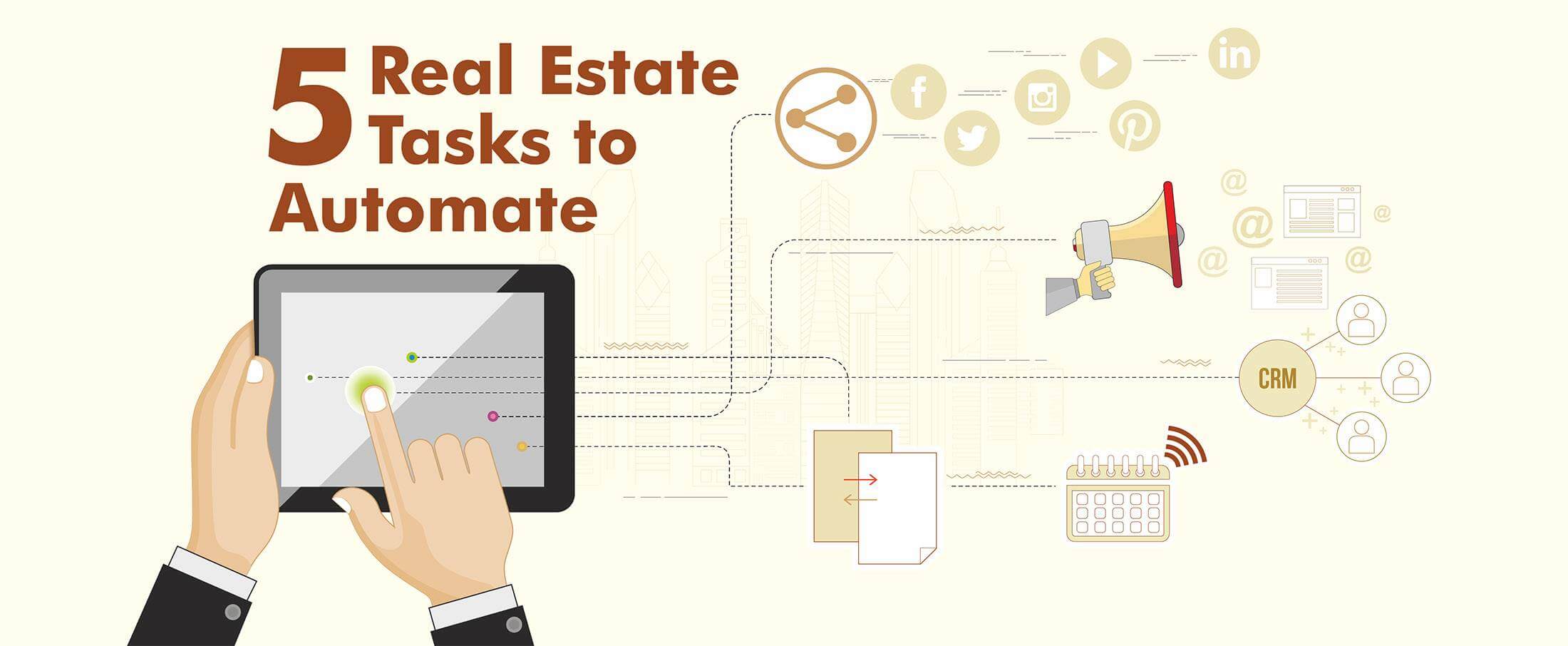
5 Real Estate Tasks to Automate
MLS Data: Roadblock for RealTech?

Part II – Writing Better, Faster and Easy to Maintain Mobil
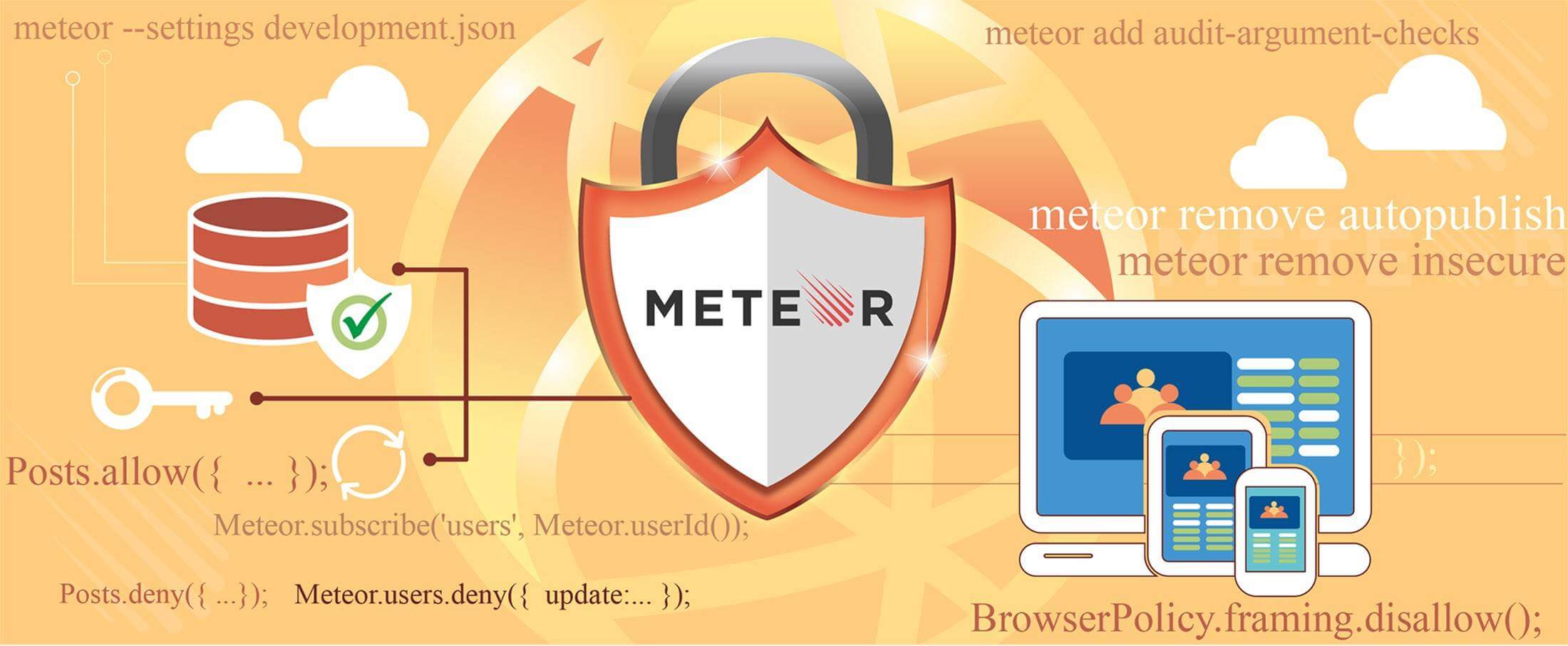
Meteor Security Checks
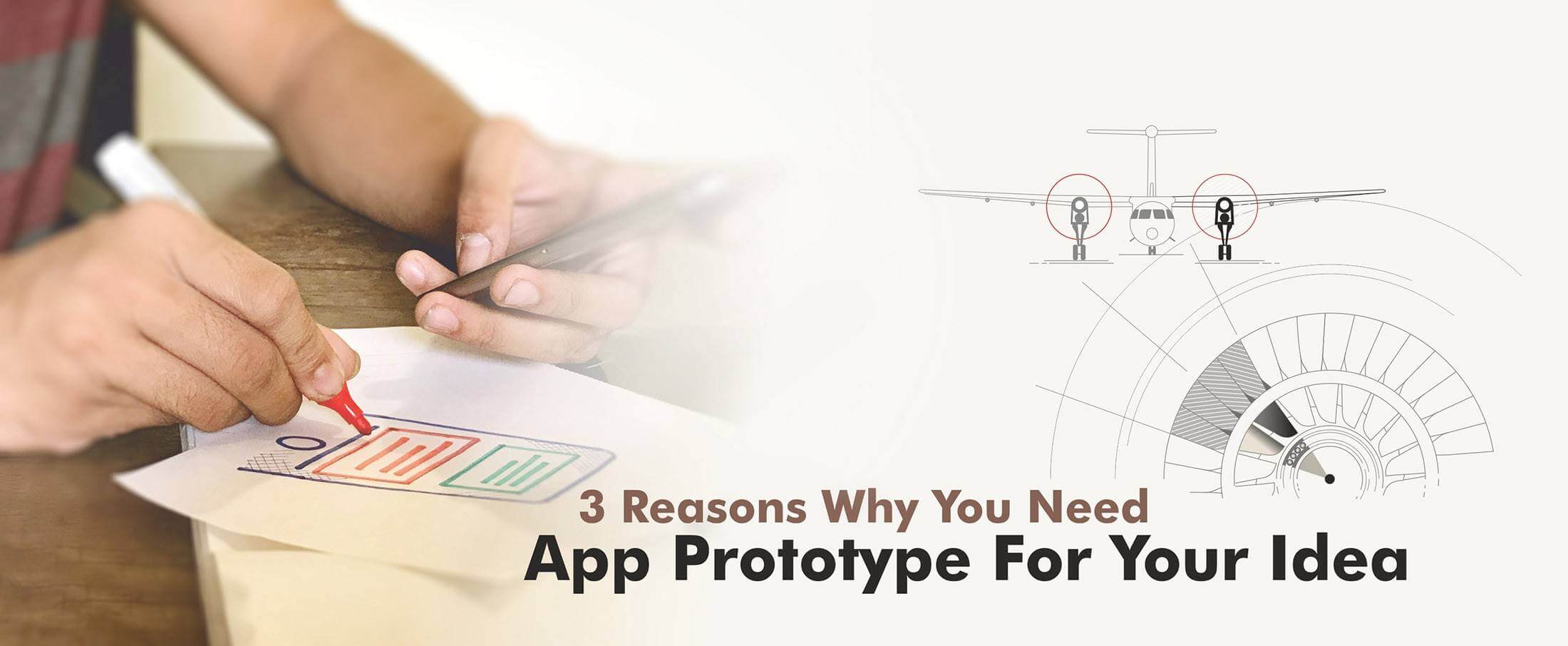
3 Reasons Why You Need App Prototype For Your Idea

Apple Events September 2017

Part I – Writing Better, Faster and Easy to Maintain Mobile