Breaking the Fix-It Loop – Why Patching Alone Slows Growth

Across industries, we’ve observed a common pattern: product teams spend a disproportionate amount of time “fixing” rather than advancing. Releases go out, bugs are patched, interfaces are polished — yet adoption remains flat and market traction doesn’t move.
This is what we call the Fix-It Loop. It creates the illusion of progress but systematically drains a team’s ability to deliver real value.
The Symptom — Busy Teams, Stalled Outcomes
The pattern shows up in nearly every growth-stage product organization:
- Development teams operate at full capacity, yet adoption remains stagnant.
- Features make it to production, but rework consumes the following sprint.
- Strategic roadmaps continuously shift to accommodate recurring issues.
The result is motion without momentum — teams look productive on the surface but fail to compound progress.
The Root Cause — Fragmentation, Dissected from First Principles
Axioms we know to be true
- Value exists only when user behavior changes in production. Everything else is cost.
- Throughput is constrained by the weakest link in the system. Optimizing locally doesn’t move the end-to-end needle.
- Cycle time grows with WIP and variability. Fragmentation inflates both.
Where fragmentation originates
- Ambiguous flow units: Work toggles between “feature,” “bug,” “experiment.” Partial completeness creates invisible WIP.
- Unstable problem statements: Inputs lack a “Definition of Ready” (clear outcome, metric, constraints). Teams ship activity, not outcomes.
- Interface debt: Weak contracts between teams/services cause late integration issues.
- Excessive batch size: Long-lived branches, large PRs, bundled releases inflate risk and coordination cost.
- Hidden queues:
Design → dev → review → QA → deploy handoffs dominate lead time. - Ownership gaps: Ambiguous accountability stalls progress and duplicates fixes.
- Observability gaps: Lack of telemetry severs the link between code shipped and value realized.
- Cognitive overload: Teams own too many domains/tools; context-switching kills velocity.
- Policy lag: Compliance/security gates come late, forcing rework.
- Toolchain thrash: Many tools, weak integration, duplicate status reporting.
How to measure the damage
Symptoms are visible in the metrics:
- DORA metrics: Lead time increases, deployment frequency drops, failure rates rise.
- Flow efficiency: Often stuck at 10–25% (vs. healthy >40%).
- PR metrics: Oversized, long-lived pull requests and review delays.
- Rework ratio: Too much capacity spent undoing/redoing past work (>15%).
- Handoff count: Too many team transitions per feature.
- Telemetry coverage: Too little instrumentation tied to intended outcomes.
A 48-hour diagnostic that reveals the truth
- Value-stream map one representative feature end-to-end.
- Quantify flow efficiency, WIP, queue times, review latency, rework ratio.
- Name the constraint — the true bottleneck.
- Hypothesize 2–3 interventions to cut batch size, shrink queues, or shift checks earlier.
- Run a two-week experiment; re-measure. Keep only what improves throughput.
Proven countermeasures
- Enforce Definition of Ready for every work item.
- Move to smaller batches — trunk-based development, short-lived branches, smaller PRs.
- Limit WIP: enforce Kanban-style caps.
- Strengthen contracts: API schemas, automated tests, clear definitions of “done.”
- Automate early: CI pipelines under 10 minutes, blocking checks, flaky-test budgets.
- Clarify ownership: Stream-aligned teams with accountable owners.
- Shift gates forward: Security/compliance as code, not last-minute blockers.
- Make queues visible: Track review latency, queue age, flow efficiency.
- Forecast by throughput, not points: Monte Carlo based on historical data.
- Close the loop: Ship with instrumentation that validates the user outcome.
A Case from the Field
At a Social media app scale-up, the team pushed patches every sprint, yet onboarding completion stayed flat.
A workflow audit revealed:
- 11 redundant handoffs between design, product, and engineering.
- No clear ownership of “handoff readiness.”
- A consistent pattern of patching UI symptoms rather than resolving systemic friction.
After restructuring workflows and cutting queues, releases shifted from quarterly to monthly — with the same headcount.
The Way Forward
Escaping the Fix-It Loop requires moving beyond patch culture.
It’s about diagnosing the systemic constraint that governs throughput, then deliberately removing it.
The question isn’t “How do we fix faster?”
The question is “Where is the system leaking value, and how do we redesign it?”
Closing Note
As a team that has scaled products across multiple domains, we’ve learned: fixing is necessary, but it cannot be the strategy.
Fixing should clear the way for building — not replace it.
- Breaking the Fix-It Loop
- Fix-It Loop
- Patching vs Growth
- Product Growth Strategy
- Product Team Productivity
- Software Development Bottlenecks
Makarand Deshpande
11 Sept 2025
Related Posts

AI Code Review Bottleneck: Why PRs Slow Down

1 Breach, 3 Security Firms Burned

Your AI Tool Reads Too Much

$2M Risk: One API Ban Can Kill You

Anthropic Stores Every Prompt You Send — And May Be Lying to Yo
Microsoft’s AI Tools Were Hacked. Is Yours Next?

Why Uber Capped AI Coding Tools

Microsoft Build 2026: What Project Solara and AI Agent PCs Mean f

GitHub Copilot Just Got Expensive: Here’s What Smart ISVs A

Every AI Lab Is Now an Agent Lab — Here’s What ISVs Must

Google Says the Age of AI Agents Is Here: What SMB Owners Should

Why Your AI Subscriptions Are About to Blow Up Your Budget (And W

Building an AI Team for the Shop Floor

Why Zero Data Retention Will Make or Break Your AI Development St

Why Zero Data Retention Will Make or Break Your AI Development St

Claude Code Source Leak Reveals the Secret Architecture Behind AI

Supply Chain Attacks Are Exploding: How AI-Powered Security Scann

Gemma 4 vs Microsoft’s New Models: Which AI Stack Will Win the

Why Your Startup Is Overpaying 300% for AI (And How to Fix It)

Why the LiteLLM Supply Chain Attack Changes Everything for AI Dev
EdTech Development: Creating Engaging Learning Platforms

Integrating Multiple Systems? How Custom Software Can Break Down

Staff Augmentation vs Project Outsourcing: Which Model Fits Your

Building an App? 5 Mistakes to Avoid in the Early Stages

DevOps in Custom Software: Accelerating Delivery and Quality —

UI/UX Best Practices for Custom Web Applications — What They Re
Mobile App Development Trends 2026: AI, IoT, and Beyond

Why Choosing the Right Tech Stack Matters

MVP Development: Focusing on Core Features for Success — and Ho

Inbox Under Threat: How Human Verification Can Protect Email From

How to Enhance User Engagement with These Mobile App UX Hacks

10 Signs Your Business Needs Custom Software (And Not Off-the-She

From Concept to Creation: Understanding Product Engineering Servi

Save Time and Money with Effective Prototyping in Software Projec

Securing Your Application: Best Practices from Day 1

Why Custom Software Is a Smart Investment for SMBs

Custom Software for Healthcare: Innovations That Meet Compliance

FinTech Software Development: Security and Compliance Best Practi

Understanding HIPAA Compliance in Healthcare App Development: A C

Why ‘Technical Feasibility’ is Crucial Before Buildin

Can AI Replace Designers? The Real Impact on Creative Design Team

Redesigning Hiring for the Underserved – A Blueprint for Talent

Agile vs Waterfall: How to Decide the Best Fit for Your Project

Web App vs Mobile App: How to Choose the Right Platform for Your

Behavioral Traits – The Hidden Engine of Retention

Building Custom Software on a Budget: Expert Advice for Startups

UX as Emotional Infrastructure

Mock Interviews, Real Confidence: Preparing Beyond the Resume

Rapid Prototyping: How AI is Revolutionizing the Design Process i

What If Job Matching Measured Mindsets, Not Just Degrees?

Why Job Boards Fail in Developing Economies

Transforming Software: How AI is Making It More User-Friendly and

Leave Management System – Admin & HR Controls

When Code Bows to Culture

The Role of AI in Super High Paced Development: Transforming the

Who is Soham Parekh?

Leave Management System – Instant Leave Decisions

Leave Management System – Employee Leave Flow

AI-Based Error Log Analyzer: A Smarter Way to Handle Infrastructu

Why Pictures (and Sounds) Speak Louder Than Tables

Leave Management System – Mobile First

Leave Management System – Real Cost

Leave Management System

Keeping Workers Safe: How Computer Vision Revolutionizes Industri

The AI Whisperer: Unmasking Public Opinion with Sentiment Analysi

EHR Interoperability: Enhancing Care Coordination

EHR Security Best Practices: Safeguarding Patient Data

The Benefits of Implementing EHR Systems in Healthcare

Big Data Trends in Healthcare

Business Intelligence for Healthcare Industry
How Mobile Apps Are Transforming Healthcare

Practical Use Cases of RPA in the Healthcare Industry
Google Core Update January 2020

Health Information Exchange (HIE): A Primer

How Wearables are Helping to Monitor Patients
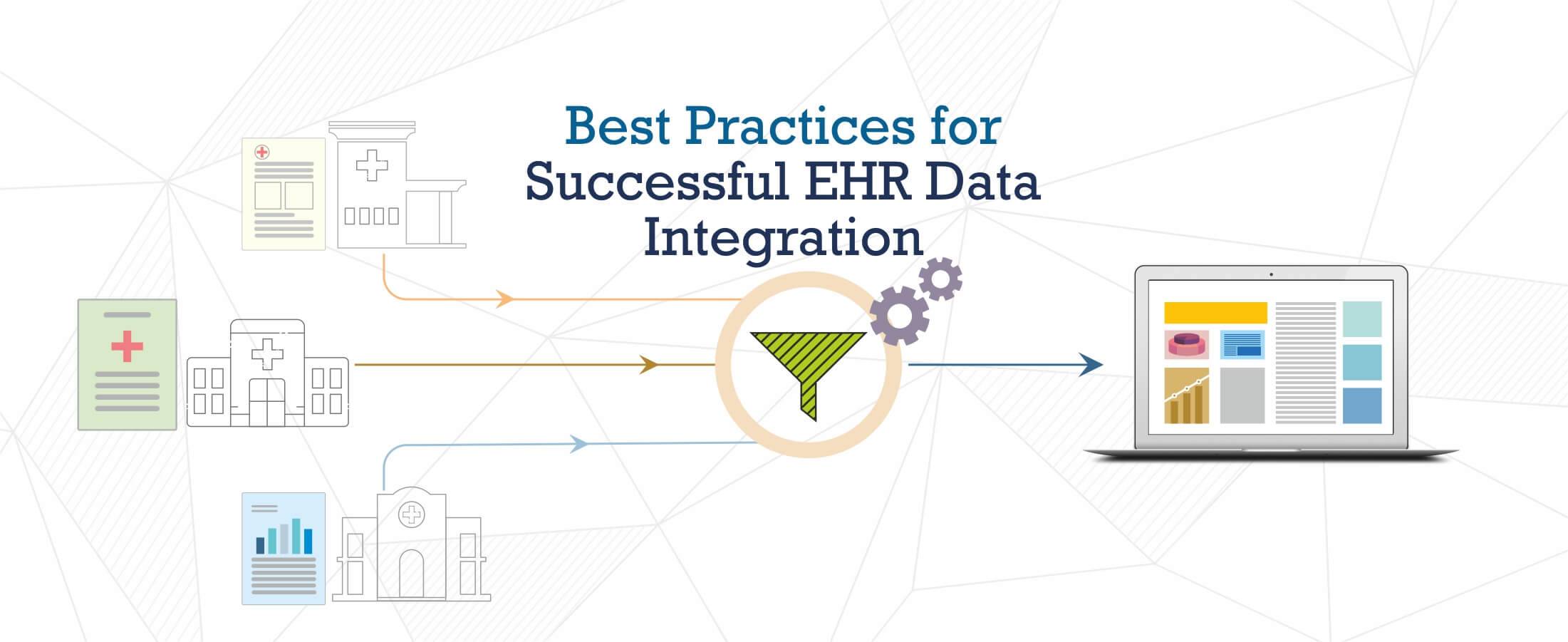
Best Practices for Successful EHR Data Integration

Importance of Sustainable Last-Mile Delivery Options in Building

Applications of 3D Printing in Healthcare

Application and Advantages of Artificial Intelligence and Machine

What is Technical SEO?

Healthcare Tech Space Review 2019

What is AWS Lambda? & AWS Lambda Use Case
Digital Marketing Strategies for Real Estate Agents

Web API and HL7 FHIR – The Future of Interoperability

Why FHIR is Better?

Real Estate Tech Space Review 2019

Improving Patient Care with Chronic Care Management
10 Healthcare Tech Trends to Follow in 2020

10 Real Estate Tech Trends to Follow in 2020
iBuyer: Disruptive Business Model or a Passing Fad?

Symptom Checker: Your personal mhealth app

Facebook for Real Estate Marketing
Use cases for Big Data in Real Estate
Can Real Estate be Uberized?
Using Predictive Analysis for Better Management of Patient Emerge

Challenges in Aggregating MLS Data

Home Navigation for the Visually Challenged

Uberization of Healthcare
Using mHealth for monitoring symptoms in children

Pinterest for Real Estate Marketing

Advancement of Voice Inputs over Text in Healthcare

Instagram for Real Estate Marketing
Chatbots in Healthcare
Why brokers are moving to custom solutions rather than using gene

Virtual Hospitals: Future of Healthcare

What Happens in Vegas, Stays in Vegas – Well, not if you ha
8 Healthcare Tech Trends to watch out for in 2019

6 Reasons Why Telemedicine Hasn’t Taken Off

5 Real Estate Tech Trends to watch out for in 2019

How MLS APIs Can Improve Your IDX Performance
How can Realtors generate quality leads using Social Media?

What is the difference between RETS and RESO Web API?
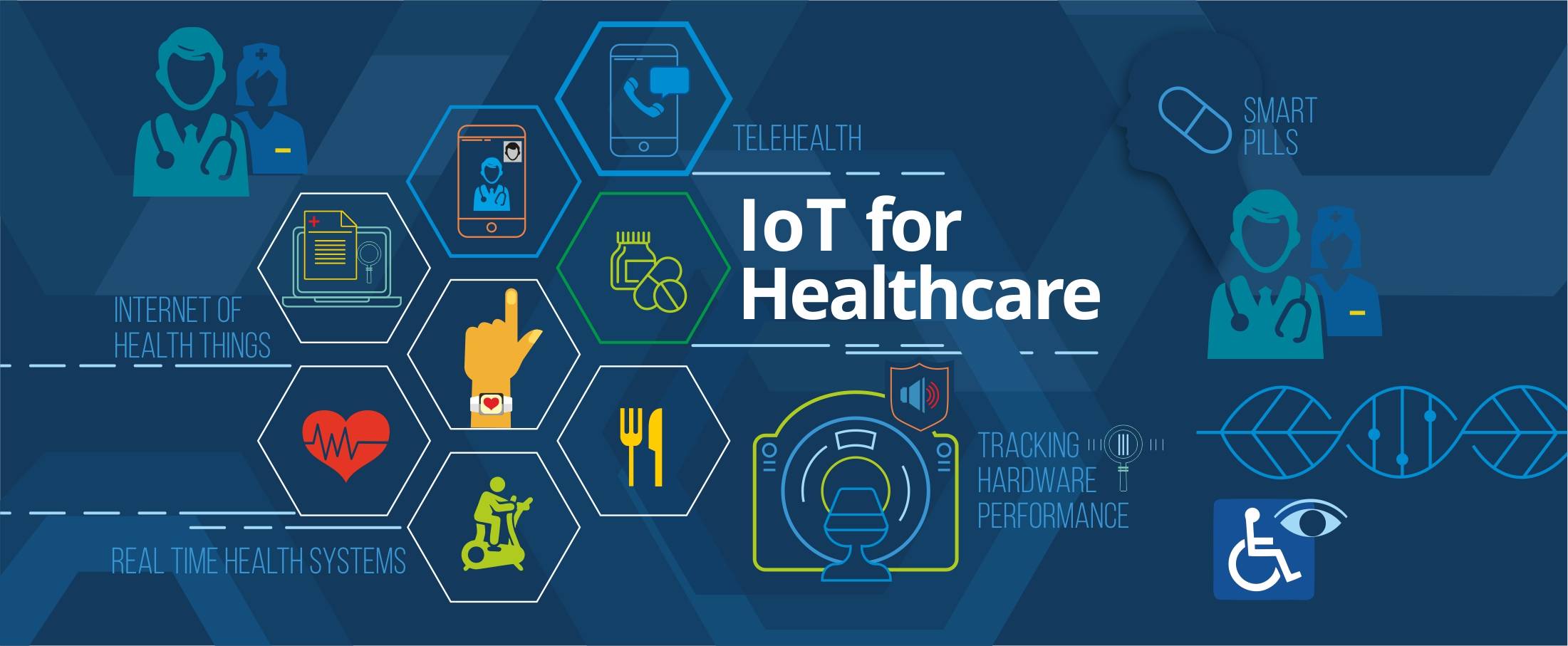
IoT for Healthcare

3D Home Tours – A must have in today’s world?

3D Printing in Real Estate

Pros & Cons of integrating RETS in your website

Blockchain: Opportunities for Healthcare

Pros & Cons of Integrating IDX in your Website

4 Reasons why you need to integrate RESO compliant MLS

Docker Selenium Grid for Parallel Test Execution

IDX vs RETS vs MLS vs RESO

How is AI Transforming Healthcare
The Future of Virtual Reality in Healthcare

Smart Contracts in Real Estate using Blockchain

How To Choose The Right CRM For Your Business

Best UX Design Practices for Healthcare Applications
FHIR Integration for Better Patient Engagement

IoT for SMART Real Estate

AI to Automate Pre-Showing Process

Best Practices for Healthcare Data Governance

Will Virtual Reality in Real Estate Replace Property Showing?

A Secure Web is Here

Will Uber-ized Property Showing Gain Momentum?

Future of Cloud Computing in Healthcare

5 Real Estate Tech Predictions for 2018

Key Takeaways From Inman Connect NYC 2018 #ICNY
DevOps is the future of the software development

9 Proven Ways to Optimize Google Page Speed

3 Ways to Generate More Real Estate Sales Leads

Introduction to Elasticsearch
5 Real Estate Tasks to Automate

MLS Data: Roadblock for RealTech?

Part II – Writing Better, Faster and Easy to Maintain Mobil

Meteor Security Checks

3 Reasons Why You Need App Prototype For Your Idea

Apple Events September 2017

Part I – Writing Better, Faster and Easy to Maintain Mobile