Building an App? 5 Mistakes to Avoid in the Early Stages

Launching an app — whether it’s a bold startup idea or a digital extension of your business — is exciting. But excitement alone isn’t enough. In fact, many app projects fail not because the idea was bad, but because developers made common early mistakes that could have been avoided with a bit of planning.
That’s why we’ve put together this practical guide for people in the early stages of app development — founders, product managers, CTOs, and innovators alike. Here are five critical pitfalls to avoid so your app journey not only gets off the ground but stays on track.
1. Skipping Market and User Research
One of the biggest early mistakes teams make is diving straight into development without first answering a simple question: Is there real demand for this app?
Many founders assume their idea solves a problem — but assumptions aren’t the same as proof. Without talking to potential users, surveying your target audience, and validating that people will pay, use, or recommend your app, you may end up building something nobody wants.
Why This Matters
- You risk creating features that users don’t care about
- You may miss critical insights about what problem you’re really solving
- You could waste time building something that won’t succeed in the market
What to do instead
Talk to real users, conduct surveys, analyze similar apps, and map out user pain points before writing a single line of code.
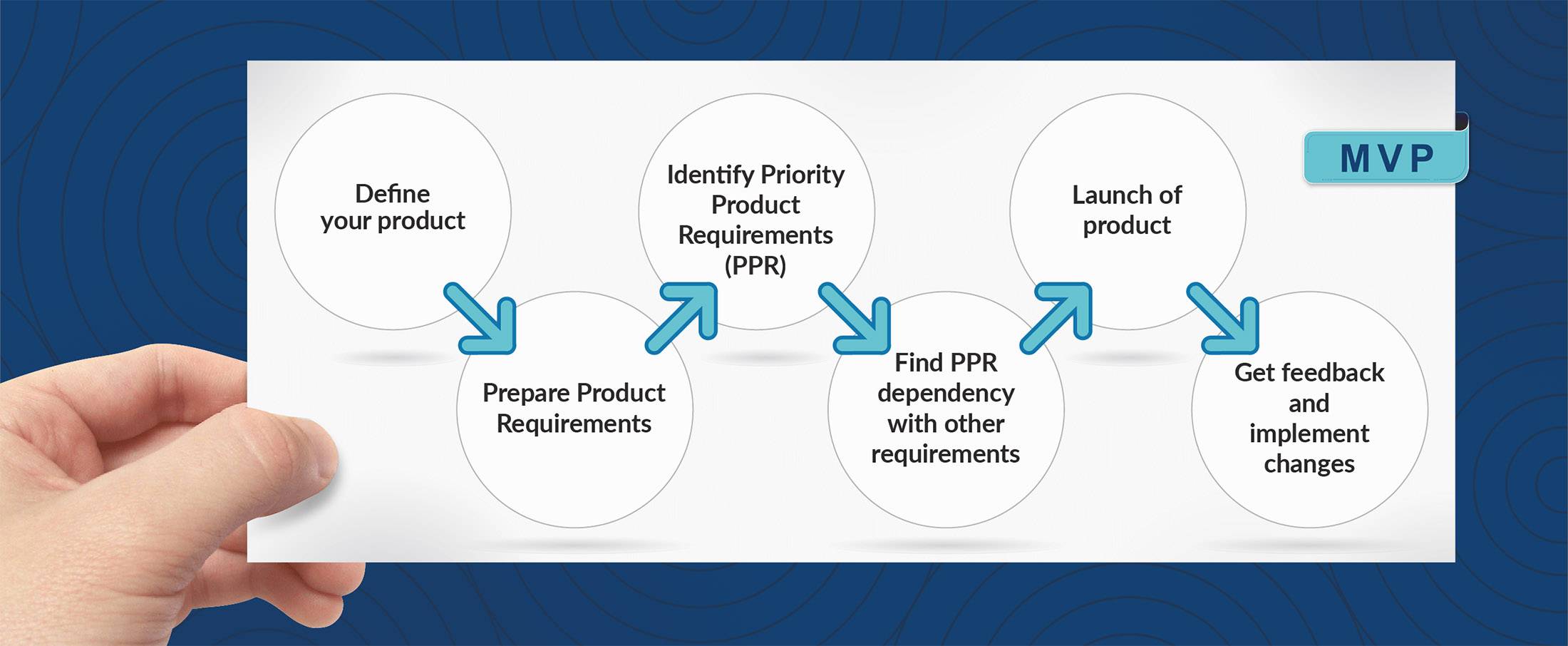
2. Ignoring the MVP Approach
Many teams jump straight into building a fully featured app. They want everything — login systems, advanced settings, social sharing, chat, rewards — all in version one.
That sounds ambitious… but it’s also risky.
The Real Cost of Feature Overload
- Longer development time
- Higher costs
- Increased technical complexity
- A confusing first experience for users
Instead, the smart approach is to build a Minimum Viable Product (MVP) — a simplified version of your app that delivers only the core value you intend to provide.
MVP Benefits
- You get feedback from real users faster
- You reduce development risk
- You spend less money upfront
- You learn what’s worth building next
Remember: a simple, useful app that actually gets used is better than a complex one that never gets finished.
3. Underestimating UX and UI Design
Great design isn’t just about colors and cool buttons — it’s about making the app intuitive, enjoyable, and effortless to use.
Even if your idea is fantastic, a poor user experience can drive users away quickly.
Common Design Mistakes
- Confusing navigation
- Overly complex UI
- Hard-to-understand icons and labels
- Inconsistent visual language
Bad UX feels like a roadblock to users, and people often uninstall apps within seconds of opening them if they don’t “get it”.
How to Fix It
- Map user journeys before designing screens
- Prototype early with clickable mockups
- Test with real people — even friends or colleagues
- Refine based on feedback before coding
Invest in design early, because a smooth experience builds trust and encourages users to return.
4. Focusing on Too Many Platforms Too Soon
One mistake many teams make early on is trying to support every platform right away — iOS, Android, web, tablets, foldables, and more.
While covering all platforms sounds inclusive, it can dilute your focus, drain your budget, and slow down development.
Better Strategy
Start by choosing the platform where your target audience spends most time.
Maybe your users are predominantly iPhone users — start there. Maybe they’re Android users — start there.
Later, after you’ve validated demand and have traction, you can expand to other platforms.
If cross-platform reach is essential from the beginning, consider tools like Flutter or React Native to build once and deploy everywhere efficiently.
5. Giving Short Shrift to Testing, Performance, and Security
Imagine launching your app with bugs, crashes, and slow loading screens. Terrible, right? Unfortunately, developers often underestimate how critical testing and performance optimization are.
Common Early Stage Pitfalls
- Skipping usability testing
- Ignoring performance bottlenecks
- Neglecting security best practices
- Waiting too long to fix issues found by users
A buggy app can devastate user trust — and once trust is lost, it’s incredibly hard to win back.
How to Avoid This
- Test on real devices and networks
- Use automated and manual testing tools
- Prioritize performance optimizations (speed, load times, responsiveness)
- Build security into your application from day one — not as an afterthought
Apps that feel smooth and secure are more likely to earn high ratings and sustained engagement.
Bonus Mistake: Forgetting a Post-Launch Plan
This one’s often overlooked: building your app isn’t the end — it’s just the beginning. Without planning for updates, user support, marketing, analytics, and ongoing improvement, even a well-built app can fade away.
Think ahead about:
- How you’ll incorporate user feedback
- How you’ll keep users engaged
- How you’ll scale features responsibly
Treat launch day as the start of an ongoing journey, not a finish line.
Bringing It All Together
Developing an app is exciting — but without careful planning, smart prioritization, and user-centered thinking, your project could cost more and deliver less than you hoped.
Here’s a quick recap of the five biggest early mistakes to avoid:
- Skipping market and user research — know your users before building.
- Ignoring MVP development — start small and learn fast.
- Underestimating UX/UI design — great experience matters more than shiny features.
- Trying to do too much, too soon — focus first.
- Neglecting testing, performance, and security — launch with quality.
And remember — app development is six stages, not just coding: idea, design, development, testing, launch, and maintenance. Skipping any of these increases risk.
Final Thoughts
Building an app isn’t just a tech exercise — it’s a strategic business effort. When you avoid these early mistakes, you not only save time and money but also give your app the best possible chance of success.
At Mobifilia, we believe in smart, user-centered mobile development — and we’re here to help you avoid costly missteps and build apps that users truly love.
Ready to turn your idea into an app users can’t live without? Let’s build together.
- App Development
- App Launch
- App Performance
- App Planning
- App Security
- MVP Development
- Quality Assurance
- UX/UI Design
12 Feb 2026
Related Posts
No-Rewrite Cloud Migration: 26 Services, 5% Code Changes
Modernising a Working Product with AI
Cloud Migration Costs: Why an 11% Higher Bill Was Worth It
Hire an AI Team, Not Software: The Agentic AI Playbook
Your AI Agent Is Broken
AI Code Review Bottleneck: Why PRs Slow Down

1 Breach, 3 Security Firms Burned
Your AI Tool Reads Too Much

$2M Risk: One API Ban Can Kill You

Anthropic Stores Every Prompt You Send — And May Be Lying to Yo
Microsoft’s AI Tools Were Hacked. Is Yours Next?

Why Uber Capped AI Coding Tools

Microsoft Build 2026: What Project Solara and AI Agent PCs Mean f

GitHub Copilot Just Got Expensive: Here’s What Smart ISVs A

Every AI Lab Is Now an Agent Lab — Here’s What ISVs Must

Google Says the Age of AI Agents Is Here: What SMB Owners Should

Why Your AI Subscriptions Are About to Blow Up Your Budget (And W

Building an AI Team for the Shop Floor

Why Zero Data Retention Will Make or Break Your AI Development St

Why Zero Data Retention Will Make or Break Your AI Development St

Claude Code Source Leak Reveals the Secret Architecture Behind AI

Supply Chain Attacks Are Exploding: How AI-Powered Security Scann

Gemma 4 vs Microsoft’s New Models: Which AI Stack Will Win the

Why Your Startup Is Overpaying 300% for AI (And How to Fix It)

Why the LiteLLM Supply Chain Attack Changes Everything for AI Dev
EdTech Development: Creating Engaging Learning Platforms

Integrating Multiple Systems? How Custom Software Can Break Down

Staff Augmentation vs Project Outsourcing: Which Model Fits Your

DevOps in Custom Software: Accelerating Delivery and Quality —

UI/UX Best Practices for Custom Web Applications — What They Re
Mobile App Development Trends 2026: AI, IoT, and Beyond

Why Choosing the Right Tech Stack Matters

MVP Development: Focusing on Core Features for Success — and Ho

Inbox Under Threat: How Human Verification Can Protect Email From

How to Enhance User Engagement with These Mobile App UX Hacks

10 Signs Your Business Needs Custom Software (And Not Off-the-She

From Concept to Creation: Understanding Product Engineering Servi

Save Time and Money with Effective Prototyping in Software Projec

Securing Your Application: Best Practices from Day 1

Why Custom Software Is a Smart Investment for SMBs

Custom Software for Healthcare: Innovations That Meet Compliance

FinTech Software Development: Security and Compliance Best Practi

Understanding HIPAA Compliance in Healthcare App Development: A C

Breaking the Fix-It Loop – Why Patching Alone Slows Growth

Why ‘Technical Feasibility’ is Crucial Before Buildin

Can AI Replace Designers? The Real Impact on Creative Design Team

Redesigning Hiring for the Underserved – A Blueprint for Talent

Agile vs Waterfall: How to Decide the Best Fit for Your Project

Web App vs Mobile App: How to Choose the Right Platform for Your

Behavioral Traits – The Hidden Engine of Retention

Building Custom Software on a Budget: Expert Advice for Startups

UX as Emotional Infrastructure

Mock Interviews, Real Confidence: Preparing Beyond the Resume

Rapid Prototyping: How AI is Revolutionizing the Design Process i

What If Job Matching Measured Mindsets, Not Just Degrees?

Why Job Boards Fail in Developing Economies

Transforming Software: How AI is Making It More User-Friendly and

Leave Management System – Admin & HR Controls

When Code Bows to Culture

The Role of AI in Super High Paced Development: Transforming the

Who is Soham Parekh?

Leave Management System – Instant Leave Decisions

Leave Management System – Employee Leave Flow

AI-Based Error Log Analyzer: A Smarter Way to Handle Infrastructu

Why Pictures (and Sounds) Speak Louder Than Tables

Leave Management System – Mobile First

Leave Management System – Real Cost
Leave Management System

Keeping Workers Safe: How Computer Vision Revolutionizes Industri
The AI Whisperer: Unmasking Public Opinion with Sentiment Analysi

EHR Interoperability: Enhancing Care Coordination

EHR Security Best Practices: Safeguarding Patient Data

The Benefits of Implementing EHR Systems in Healthcare

Big Data Trends in Healthcare

Business Intelligence for Healthcare Industry
How Mobile Apps Are Transforming Healthcare
Practical Use Cases of RPA in the Healthcare Industry
Google Core Update January 2020
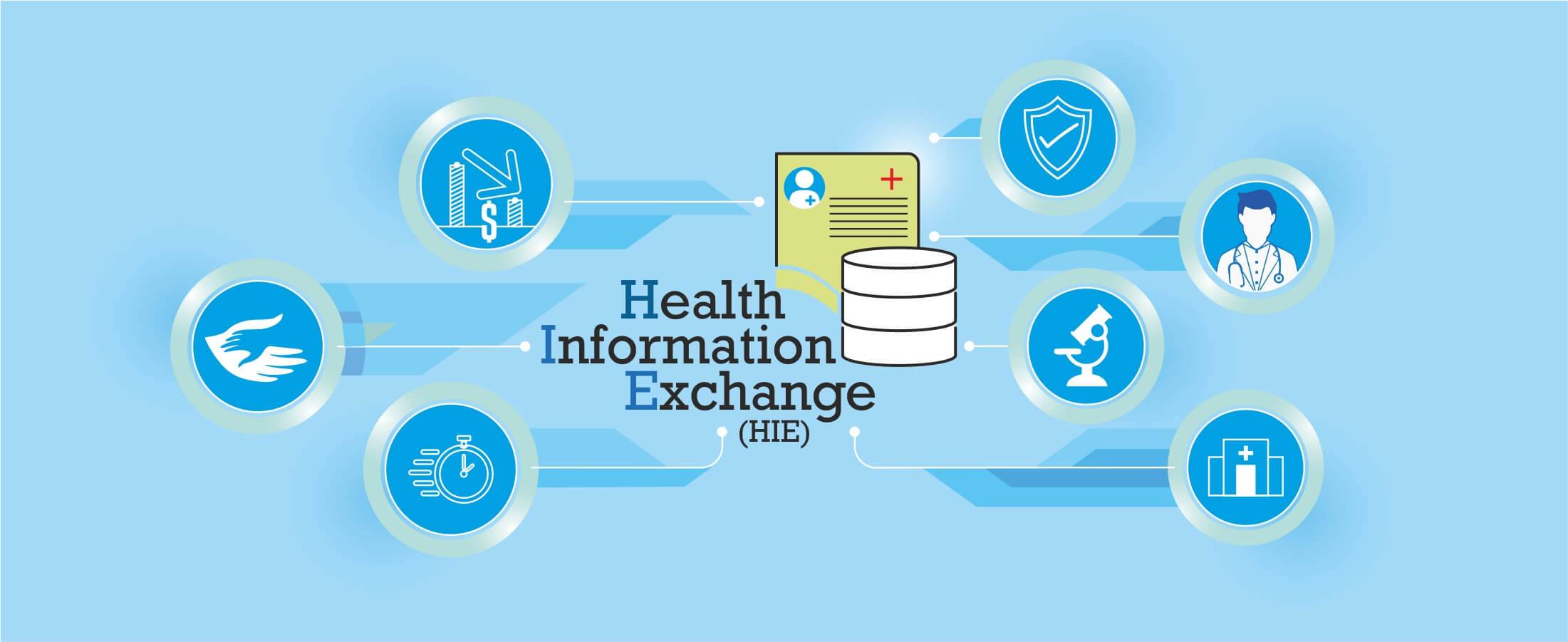
Health Information Exchange (HIE): A Primer
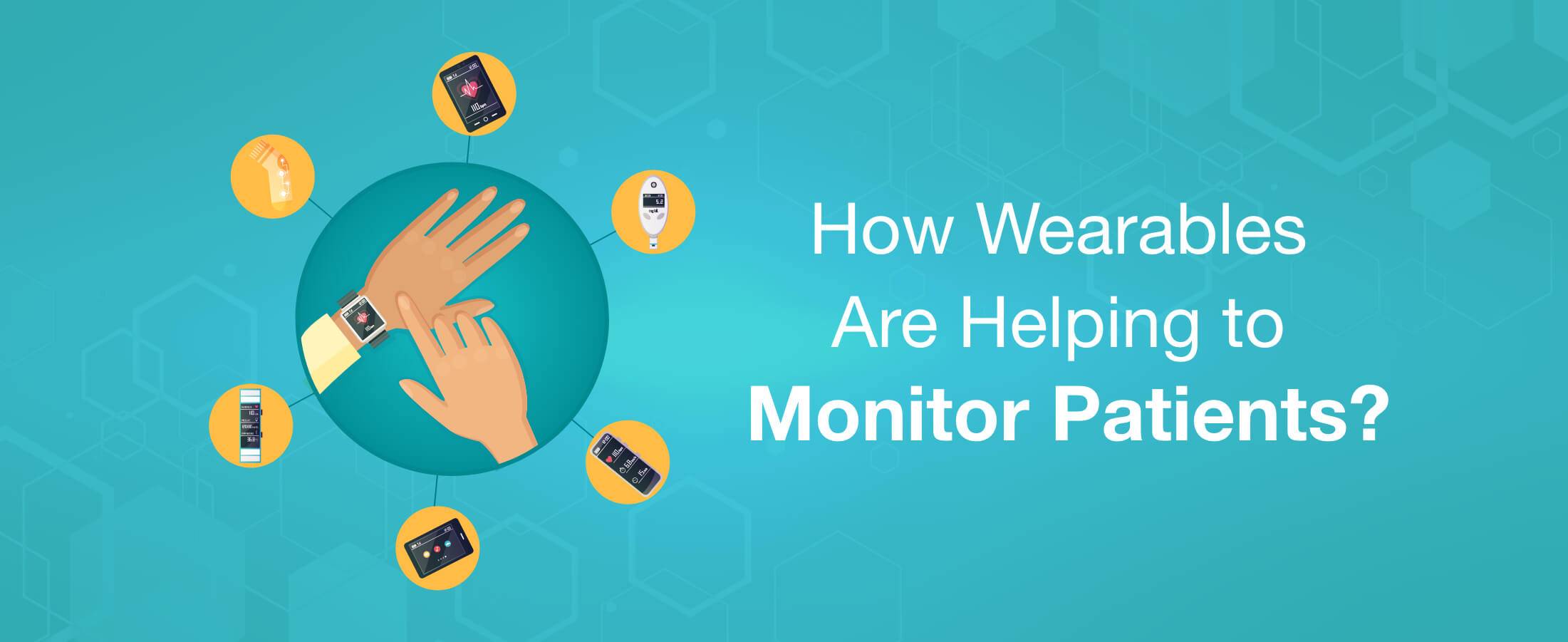
How Wearables are Helping to Monitor Patients
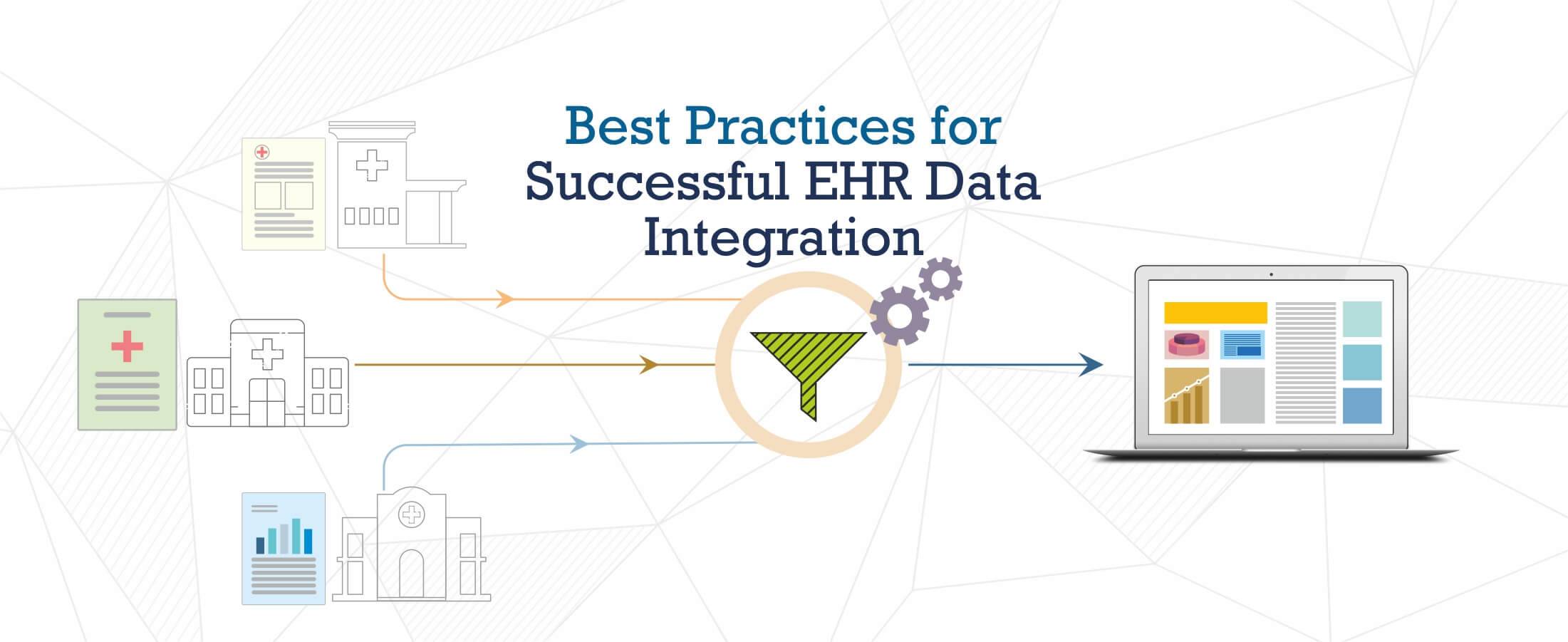
Best Practices for Successful EHR Data Integration

Importance of Sustainable Last-Mile Delivery Options in Building
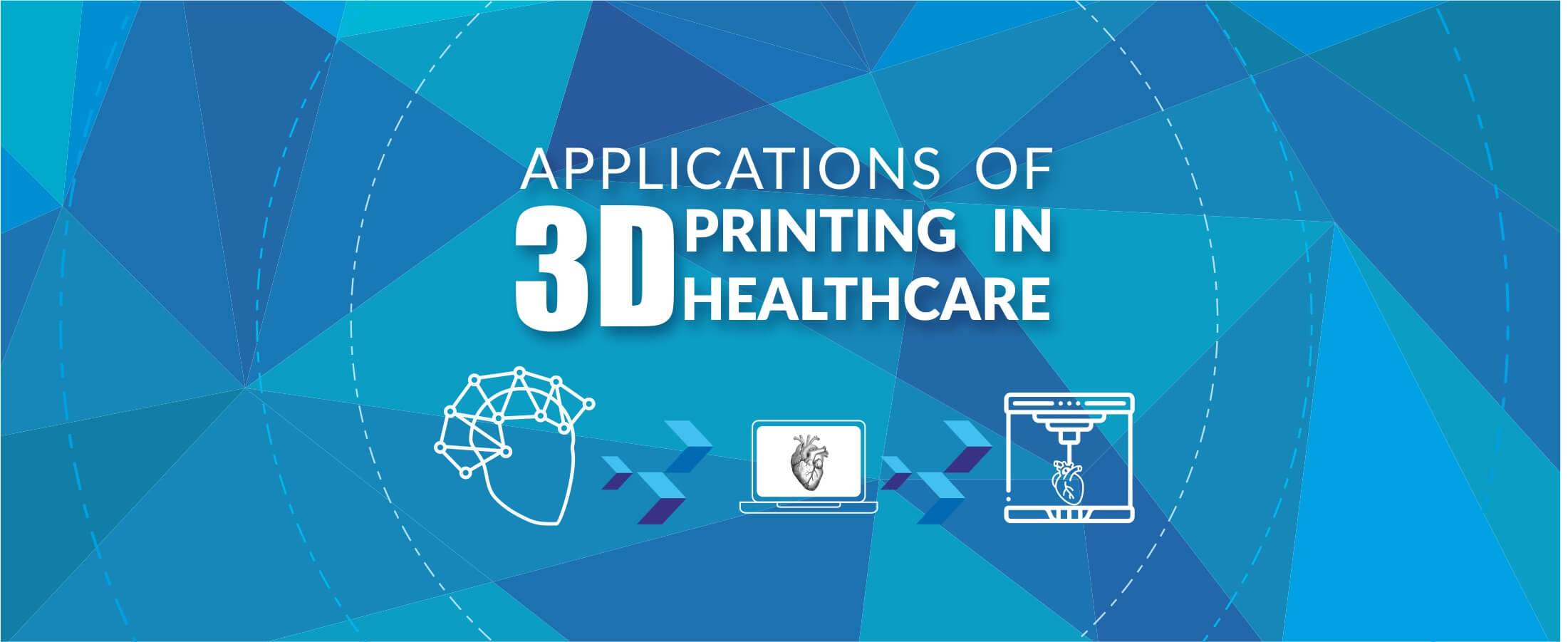
Applications of 3D Printing in Healthcare
Application and Advantages of Artificial Intelligence and Machine
What is Technical SEO?

Healthcare Tech Space Review 2019
What is AWS Lambda? & AWS Lambda Use Case
Digital Marketing Strategies for Real Estate Agents
Web API and HL7 FHIR – The Future of Interoperability
Why FHIR is Better?

Real Estate Tech Space Review 2019
Improving Patient Care with Chronic Care Management
10 Healthcare Tech Trends to Follow in 2020

10 Real Estate Tech Trends to Follow in 2020
iBuyer: Disruptive Business Model or a Passing Fad?

Symptom Checker: Your personal mhealth app
Facebook for Real Estate Marketing
Use cases for Big Data in Real Estate
Can Real Estate be Uberized?
Using Predictive Analysis for Better Management of Patient Emerge
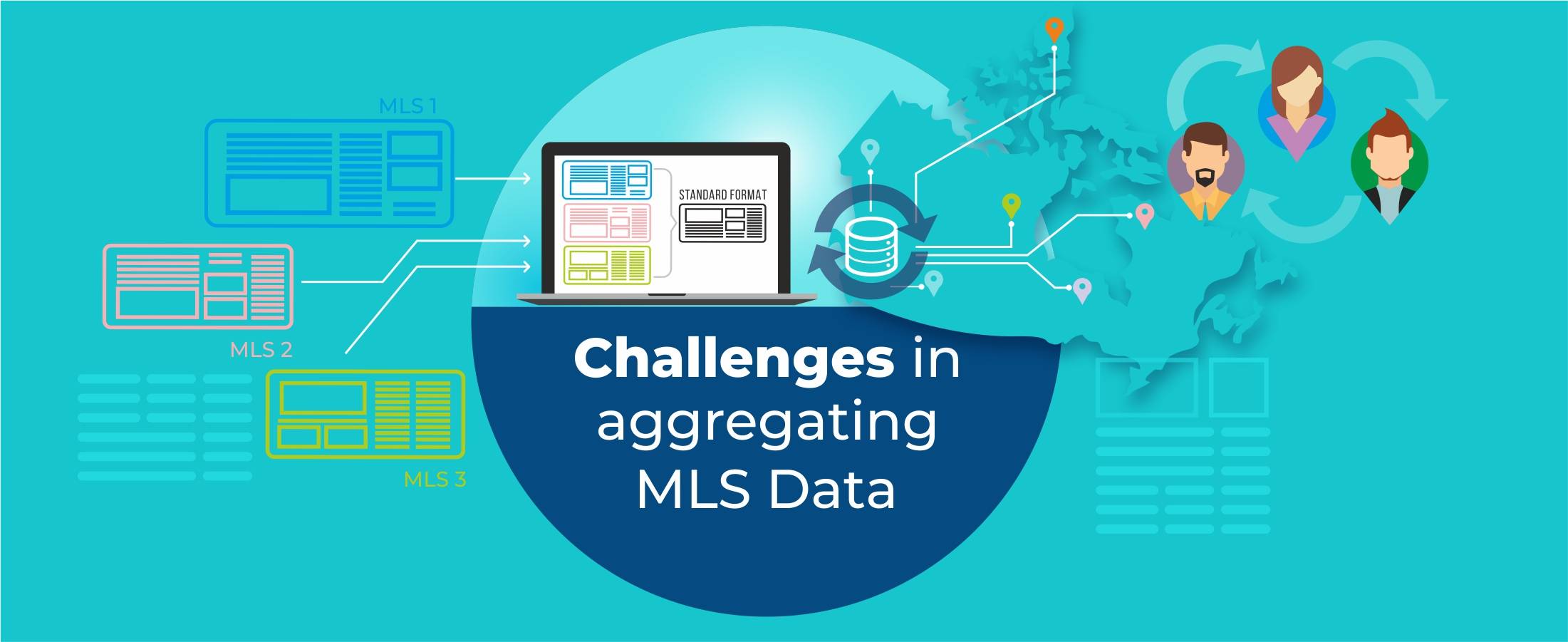
Challenges in Aggregating MLS Data
Home Navigation for the Visually Challenged

Uberization of Healthcare
Using mHealth for monitoring symptoms in children
Pinterest for Real Estate Marketing

Advancement of Voice Inputs over Text in Healthcare
Instagram for Real Estate Marketing
Chatbots in Healthcare
Why brokers are moving to custom solutions rather than using gene
Virtual Hospitals: Future of Healthcare

What Happens in Vegas, Stays in Vegas – Well, not if you ha
8 Healthcare Tech Trends to watch out for in 2019

6 Reasons Why Telemedicine Hasn’t Taken Off

5 Real Estate Tech Trends to watch out for in 2019
How MLS APIs Can Improve Your IDX Performance
How can Realtors generate quality leads using Social Media?

What is the difference between RETS and RESO Web API?
IoT for Healthcare

3D Home Tours – A must have in today’s world?

3D Printing in Real Estate

Pros & Cons of integrating RETS in your website

Blockchain: Opportunities for Healthcare

Pros & Cons of Integrating IDX in your Website

4 Reasons why you need to integrate RESO compliant MLS
Docker Selenium Grid for Parallel Test Execution
IDX vs RETS vs MLS vs RESO

How is AI Transforming Healthcare
The Future of Virtual Reality in Healthcare

Smart Contracts in Real Estate using Blockchain

How To Choose The Right CRM For Your Business

Best UX Design Practices for Healthcare Applications
FHIR Integration for Better Patient Engagement
IoT for SMART Real Estate
AI to Automate Pre-Showing Process

Best Practices for Healthcare Data Governance

Will Virtual Reality in Real Estate Replace Property Showing?

A Secure Web is Here

Will Uber-ized Property Showing Gain Momentum?

Future of Cloud Computing in Healthcare
5 Real Estate Tech Predictions for 2018

Key Takeaways From Inman Connect NYC 2018 #ICNY
DevOps is the future of the software development

9 Proven Ways to Optimize Google Page Speed

3 Ways to Generate More Real Estate Sales Leads
Introduction to Elasticsearch
5 Real Estate Tasks to Automate
MLS Data: Roadblock for RealTech?

Part II – Writing Better, Faster and Easy to Maintain Mobil
Meteor Security Checks
3 Reasons Why You Need App Prototype For Your Idea

Apple Events September 2017

Part I – Writing Better, Faster and Easy to Maintain Mobile