Can AI Replace Designers? The Real Impact on Creative Design Teams

A New Era: AI Meets Design
In the last few years, we’ve seen artificial intelligence go from being a technical buzzword to a practical, hands-on tool for designers. From copy generation to layout suggestions, AI is already integrated into everyday design platforms.
Designers now find themselves at a crossroads—where creativity meets computation. But the question lingers in every Slack thread and team meeting:
“Can AI replace designers—or will it become their most powerful creative ally?”
Let’s explore what this means for individuals, teams, and the future of design jobs.
AI’s Strengths: Speed, Consistency, and Cognitive Boost
AI doesn’t get tired. It doesn’t run out of ideas. It doesn’t miss deadlines. This makes it incredibly useful in areas where precision, speed, and automation are key.
Here’s how creative teams are already using AI-powered design tools:
1. Rapid Idea Generation
- Tools like Figma Make Figma AI generate user interface screens from written prompts.
- Designers no longer start from a blank canvas—they edit, enhance, and guide.
2. Versioning and Personalization at Scale
- AI tools can generate 20+ design variations in seconds—ideal for A/B testing, localization, or personalization.
3. Smart Assistance
- Photoshop’s Generative Fill or Figma’s AI plugins help designers fix images, generate icons, or autocomplete sections intelligently.
In short: AI helps you start faster, scale smarter, and focus your energy on more strategic, high-impact tasks.
The Irreplaceable Human Core: Creativity, Empathy, Judgment
AI can generate. But it doesn’t feel.
And in design, feelings shape everything—from color choice to layout flow to the soul of a brand. Here’s where designers outperform machines:
1. Emotional Intelligence
Designers empathize. They understand why a teenager in Mumbai might tap differently than a retiree in Berlin. AI only sees data; designers see people.
2. Cultural Sensitivity
Whether it’s avoiding religious symbolism or understanding what’s humorous vs. offensive in a particular context, only humans can pick up such nuances reliably.
3. Ethical Design Judgment
AI may optimize for engagement, but a human designer might ask: “Should we?” That moral checkpoint is crucial in an age of addictive interfaces and dark patterns.
AI + Designers: A Powerful Collaboration
Rather than “AI vs designer,” the more useful lens is:
How do we design with AI, not against it?
Real-Life Collaboration Examples:
Creative Director + AI for Storyboarding
A creative lead feeds a rough prompt into an AI like DALL·E or Midjourney to generate visual inspiration. These are then reworked by illustrators with more artistic precision and cultural context.
UX Designer + AI for Prototyping
A UX designer uses Framer AI to quickly mock up a landing page. Then manually tweaks it to match brand guidelines, flow logic, and emotional tone.
Content Designer + ChatGPT for Microcopy
Instead of writing button text from scratch, content teams generate options using ChatGPT, then refine based on voice, tone, and accessibility principles.
This new workflow means designers become curators, editors, and strategic thinkers—not just pixel pushers.
The Future of Design Jobs: Evolution, Not Elimination
| Traditional Role | Emerging Role |
|---|---|
| Graphic Designer | Creative Technologist |
| UI Designer | Prompt-Curating Designer |
| UX Writer | AI-Coached Content Strategist |
| Visual Artist | AI-Aided Art Director |
Many fear that AI will make their skills irrelevant. In reality, design is evolving into a more hybrid, strategic role. Here’s how we see the ecosystem shift:
Key Future Skills:
- Prompt writing and visual briefing
- Understanding AI biases and limitations
- Translating abstract ideas into multi-modal outputs (text, visuals, voice)
So… Can AI Replace Designers?
No—but it will replace designers who resist change.
Designers who embrace AI not just as a tool but as a thinking partner will unlock new levels of speed, scale, and sophistication.
And those who lean into their human edge—empathy, ethics, originality—will become even more valuable as design moves from execution to orchestration.
Strategic Takeaway
The design team of the future isn’t man or machine.
It’s human + AI, working in tandem to create meaningful, scalable, and emotionally intelligent experiences.
Design isn’t dying. It’s evolving. And the next generation of creatives won’t just use tools—they’ll teach tools how to think creatively.
- AI
- Figma Make
- Graphic Designer
- UI Designer
- UX Writer
- Visual Artist
26 Aug 2025
Related Posts
EdTech Development: Creating Engaging Learning Platforms

Integrating Multiple Systems? How Custom Software Can Break Down

Staff Augmentation vs Project Outsourcing: Which Model Fits Your

Building an App? 5 Mistakes to Avoid in the Early Stages

DevOps in Custom Software: Accelerating Delivery and Quality —

UI/UX Best Practices for Custom Web Applications — What They Re
Mobile App Development Trends 2026: AI, IoT, and Beyond

Why Choosing the Right Tech Stack Matters

MVP Development: Focusing on Core Features for Success — and Ho

Inbox Under Threat: How Human Verification Can Protect Email From

How to Enhance User Engagement with These Mobile App UX Hacks

10 Signs Your Business Needs Custom Software (And Not Off-the-She

From Concept to Creation: Understanding Product Engineering Servi

Save Time and Money with Effective Prototyping in Software Projec

Securing Your Application: Best Practices from Day 1

Why Custom Software Is a Smart Investment for SMBs

Custom Software for Healthcare: Innovations That Meet Compliance

FinTech Software Development: Security and Compliance Best Practi

Understanding HIPAA Compliance in Healthcare App Development: A C

Breaking the Fix-It Loop – Why Patching Alone Slows Growth

Why ‘Technical Feasibility’ is Crucial Before Buildin

Redesigning Hiring for the Underserved – A Blueprint for Talent

Agile vs Waterfall: How to Decide the Best Fit for Your Project

Web App vs Mobile App: How to Choose the Right Platform for Your

Behavioral Traits – The Hidden Engine of Retention

Building Custom Software on a Budget: Expert Advice for Startups

UX as Emotional Infrastructure

Mock Interviews, Real Confidence: Preparing Beyond the Resume

Rapid Prototyping: How AI is Revolutionizing the Design Process i

What If Job Matching Measured Mindsets, Not Just Degrees?

Why Job Boards Fail in Developing Economies

Transforming Software: How AI is Making It More User-Friendly and

Leave Management System – Admin & HR Controls

When Code Bows to Culture

The Role of AI in Super High Paced Development: Transforming the

Who is Soham Parekh?

Leave Management System – Instant Leave Decisions

Leave Management System – Employee Leave Flow

AI-Based Error Log Analyzer: A Smarter Way to Handle Infrastructu

Why Pictures (and Sounds) Speak Louder Than Tables

Leave Management System – Mobile First

Leave Management System – Real Cost
Leave Management System
Keeping Workers Safe: How Computer Vision Revolutionizes Industri
The AI Whisperer: Unmasking Public Opinion with Sentiment Analysi

EHR Interoperability: Enhancing Care Coordination

EHR Security Best Practices: Safeguarding Patient Data

The Benefits of Implementing EHR Systems in Healthcare

Big Data Trends in Healthcare
Business Intelligence for Healthcare Industry
How Mobile Apps Are Transforming Healthcare
Practical Use Cases of RPA in the Healthcare Industry
Google Core Update January 2020
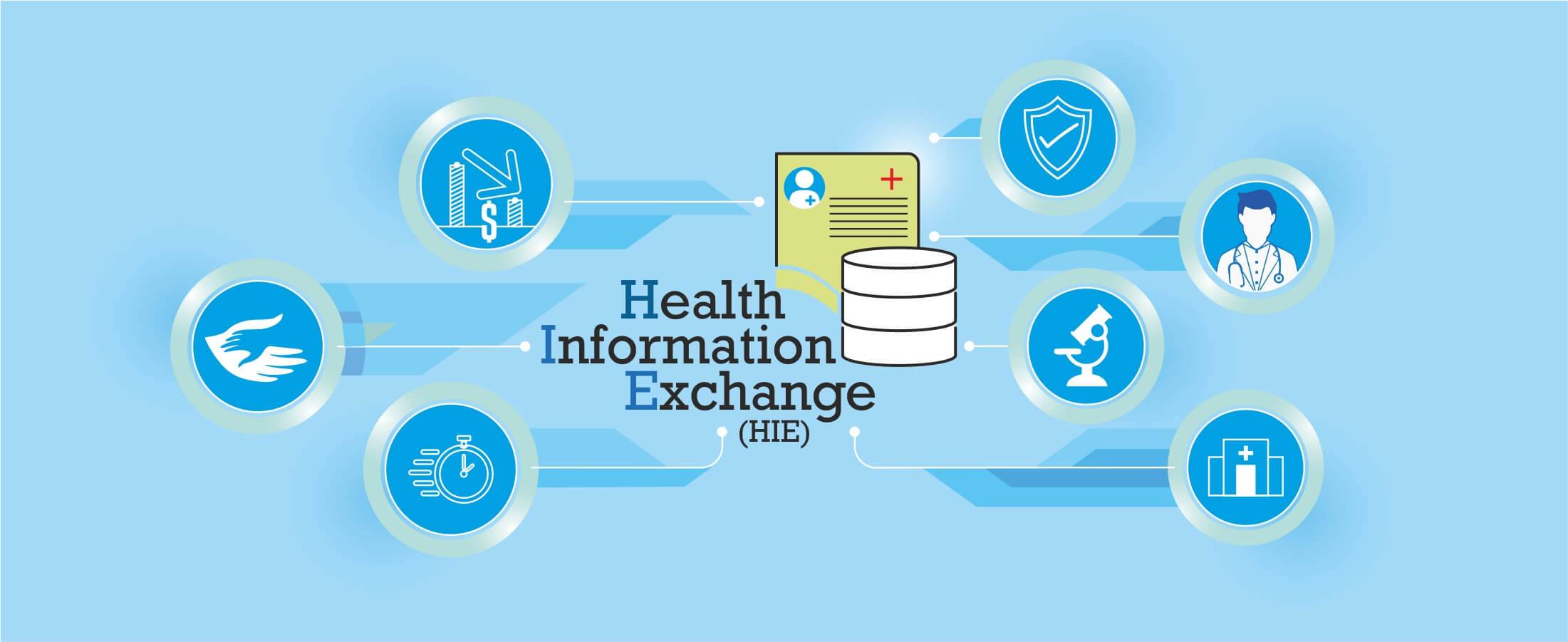
Health Information Exchange (HIE): A Primer
How Wearables are Helping to Monitor Patients
Best Practices for Successful EHR Data Integration
Importance of Sustainable Last-Mile Delivery Options in Building
Applications of 3D Printing in Healthcare
Application and Advantages of Artificial Intelligence and Machine
What is Technical SEO?
Healthcare Tech Space Review 2019
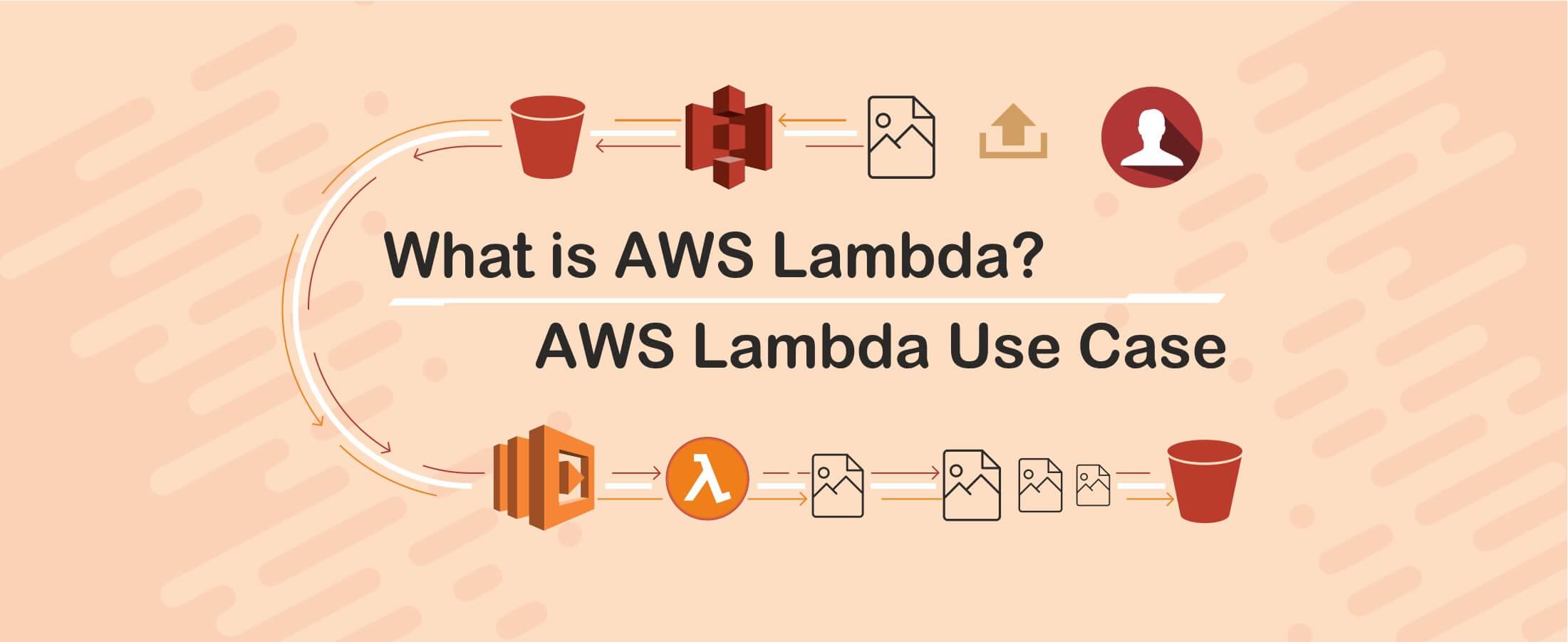
What is AWS Lambda? & AWS Lambda Use Case
Digital Marketing Strategies for Real Estate Agents
Web API and HL7 FHIR – The Future of Interoperability
Why FHIR is Better?
Real Estate Tech Space Review 2019
Improving Patient Care with Chronic Care Management
10 Healthcare Tech Trends to Follow in 2020
10 Real Estate Tech Trends to Follow in 2020
iBuyer: Disruptive Business Model or a Passing Fad?
Symptom Checker: Your personal mhealth app

Facebook for Real Estate Marketing
Use cases for Big Data in Real Estate
Can Real Estate be Uberized?
Using Predictive Analysis for Better Management of Patient Emerge
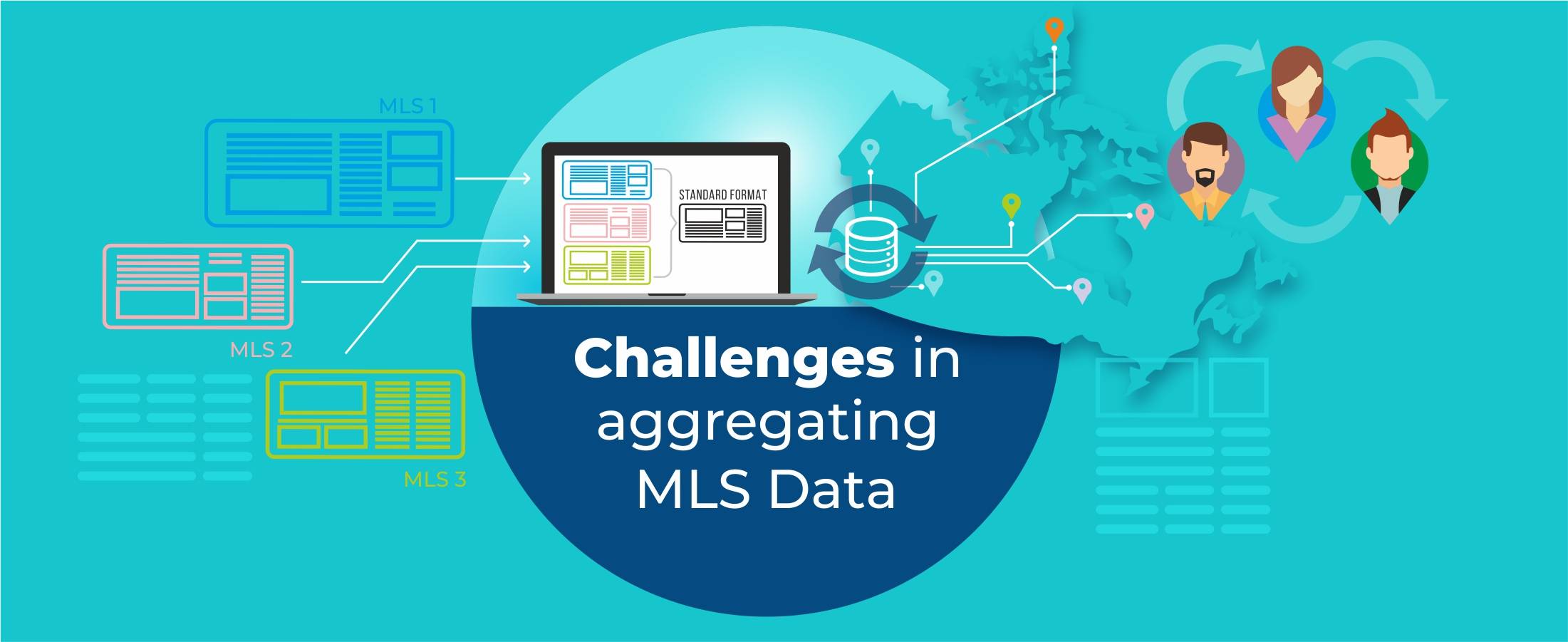
Challenges in Aggregating MLS Data
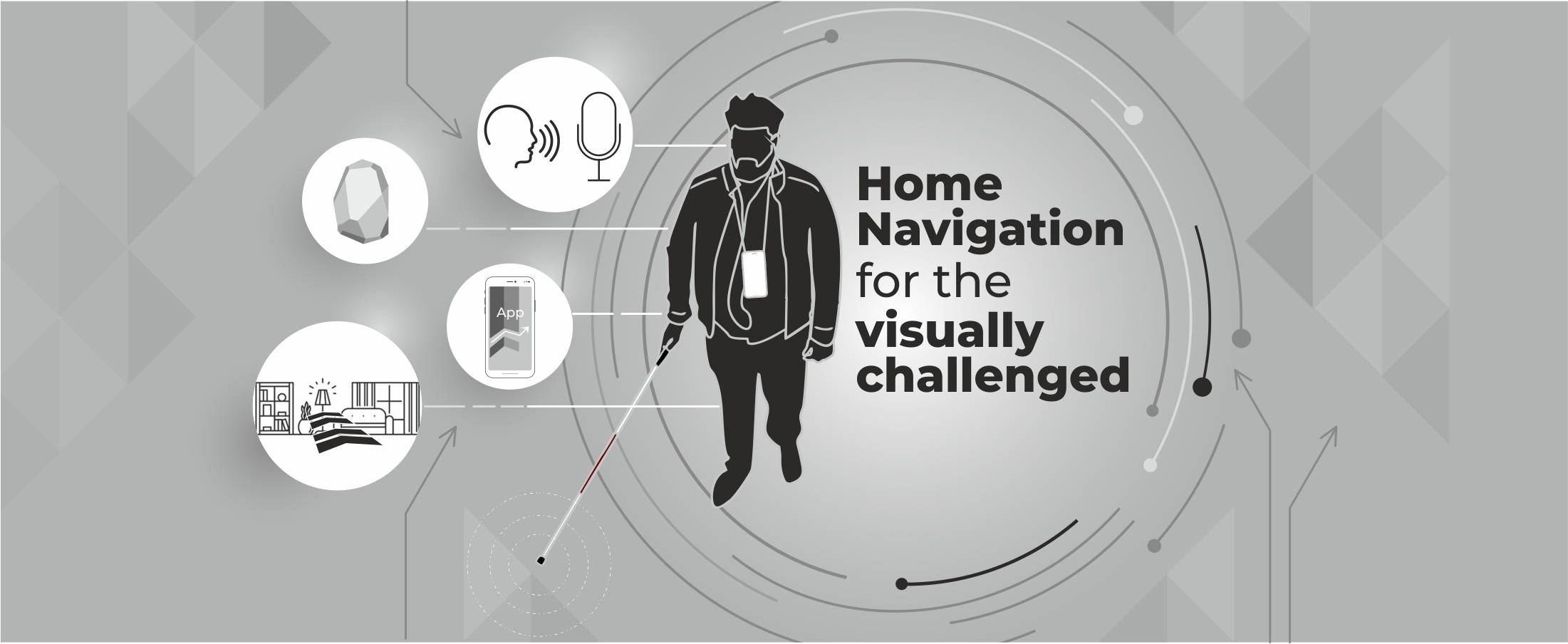
Home Navigation for the Visually Challenged

Uberization of Healthcare
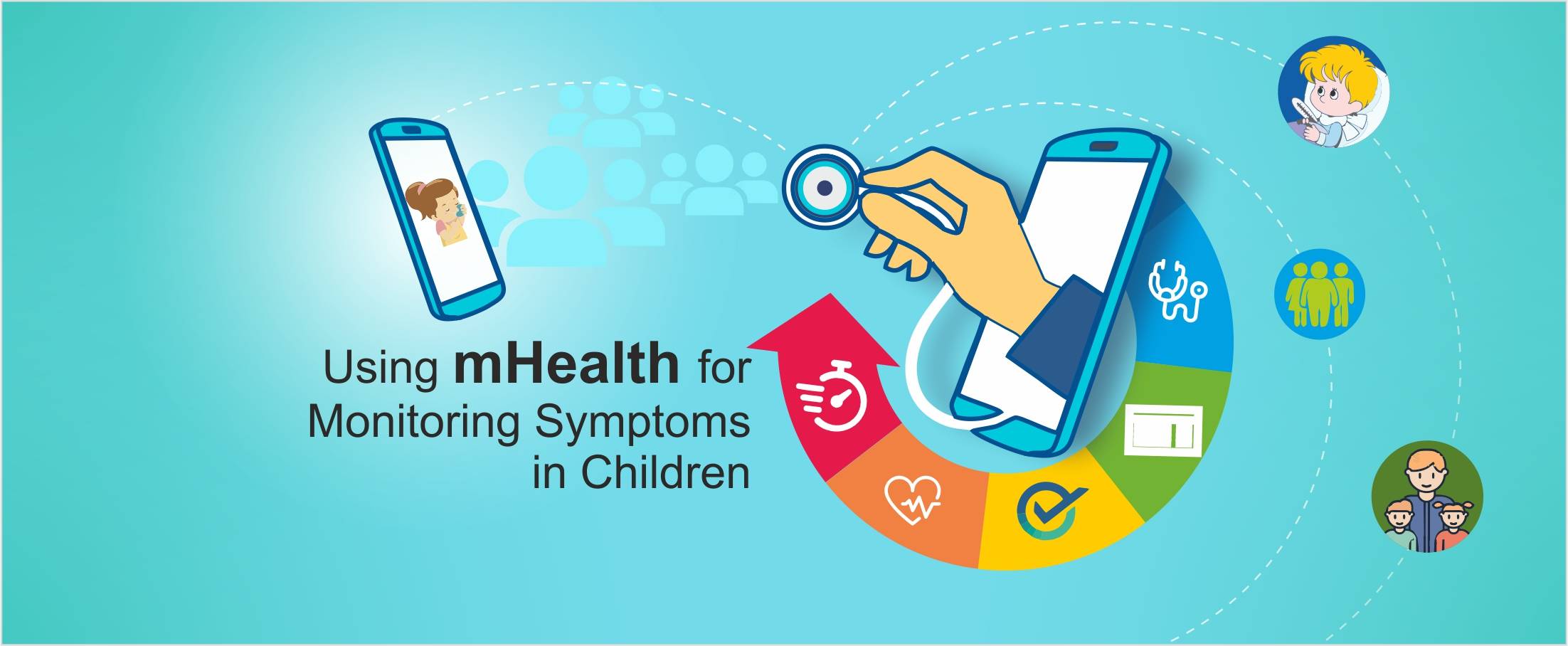
Using mHealth for monitoring symptoms in children
Pinterest for Real Estate Marketing
Advancement of Voice Inputs over Text in Healthcare
Instagram for Real Estate Marketing
Chatbots in Healthcare
Why brokers are moving to custom solutions rather than using gene
Virtual Hospitals: Future of Healthcare

What Happens in Vegas, Stays in Vegas – Well, not if you ha
8 Healthcare Tech Trends to watch out for in 2019
6 Reasons Why Telemedicine Hasn’t Taken Off
5 Real Estate Tech Trends to watch out for in 2019
How MLS APIs Can Improve Your IDX Performance
How can Realtors generate quality leads using Social Media?
What is the difference between RETS and RESO Web API?
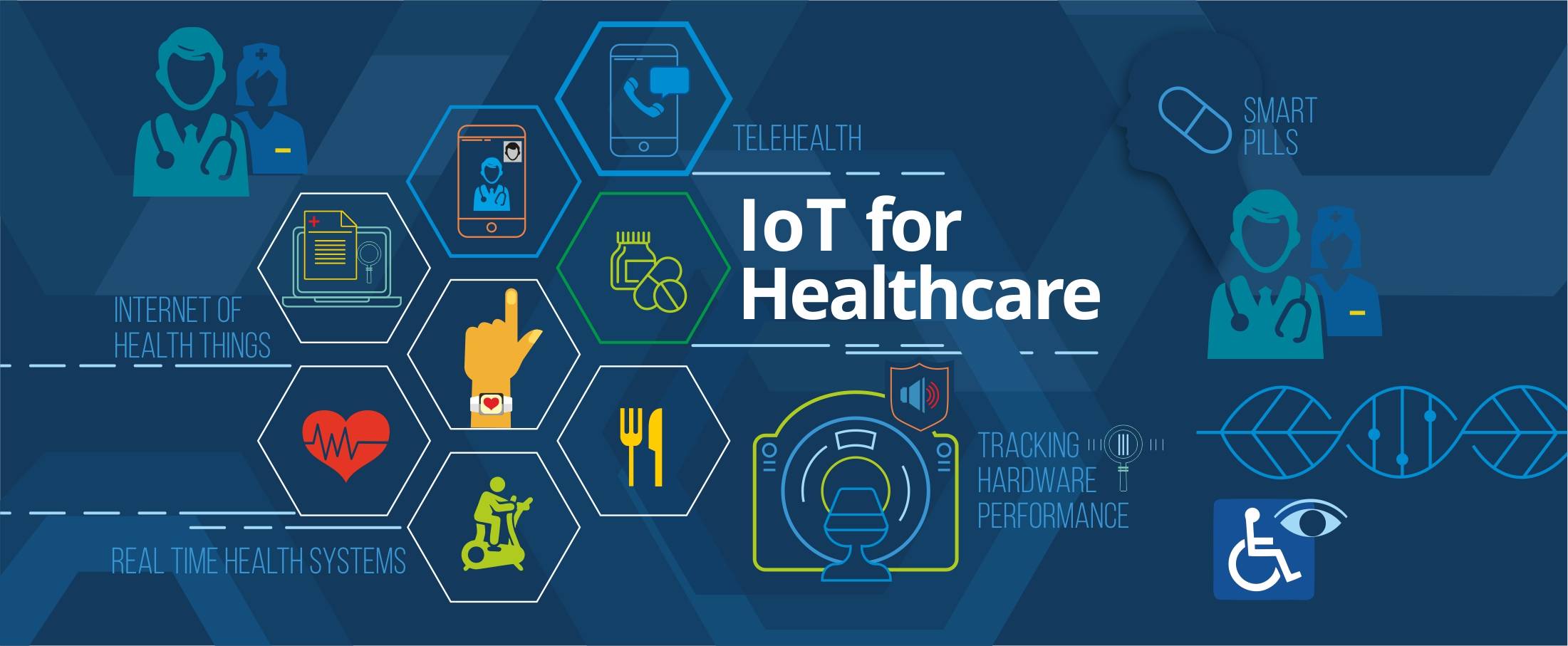
IoT for Healthcare

3D Home Tours – A must have in today’s world?

3D Printing in Real Estate

Pros & Cons of integrating RETS in your website

Blockchain: Opportunities for Healthcare

Pros & Cons of Integrating IDX in your Website

4 Reasons why you need to integrate RESO compliant MLS

Docker Selenium Grid for Parallel Test Execution
IDX vs RETS vs MLS vs RESO
How is AI Transforming Healthcare
The Future of Virtual Reality in Healthcare

Smart Contracts in Real Estate using Blockchain

How To Choose The Right CRM For Your Business

Best UX Design Practices for Healthcare Applications
FHIR Integration for Better Patient Engagement
IoT for SMART Real Estate
AI to Automate Pre-Showing Process

Best Practices for Healthcare Data Governance

Will Virtual Reality in Real Estate Replace Property Showing?

A Secure Web is Here

Will Uber-ized Property Showing Gain Momentum?
Future of Cloud Computing in Healthcare
5 Real Estate Tech Predictions for 2018
Key Takeaways From Inman Connect NYC 2018 #ICNY
DevOps is the future of the software development

9 Proven Ways to Optimize Google Page Speed

3 Ways to Generate More Real Estate Sales Leads
Introduction to Elasticsearch
5 Real Estate Tasks to Automate
MLS Data: Roadblock for RealTech?

Part II – Writing Better, Faster and Easy to Maintain Mobil

Meteor Security Checks
3 Reasons Why You Need App Prototype For Your Idea
Apple Events September 2017

Part I – Writing Better, Faster and Easy to Maintain Mobile