Custom Software for Healthcare: Innovations That Meet Compliance Standards

Custom Software for Healthcare: Balancing Innovation and Compliance represents one of the most challenging yet rewarding frontiers in modern technology development. Healthcare organizations increasingly rely on custom software healthcare solutions to transform patient care delivery while navigating complex regulatory landscapes that demand unwavering attention to compliance standards.
The healthcare sector demands software solutions that can simultaneously push the boundaries of healthcare innovation while maintaining strict adherence to compliance standards healthcare requirements. You face unique challenges when developing these systems, as they must protect sensitive patient data, ensure accessibility, and meet rigorous security protocols without compromising functionality or user experience.
This article explores the critical intersection where cutting-edge technology meets regulatory compliance in healthcare software development. You’ll discover how AI-powered diagnostic tools revolutionize patient care, examine mobile health applications that empower both patients and providers, and understand the complexities of creating interoperable systems that seamlessly connect diverse healthcare platforms.
The role of developers in this ecosystem extends beyond traditional coding—you must become compliance experts, patient advocates, and innovation catalysts who can navigate regulatory frameworks while delivering transformative healthcare solutions.
Advancements in Healthcare Technology Enabled by Custom Software Solutions
Healthcare technology innovation has reached unprecedented heights through custom software development, transforming how medical professionals deliver care and how patients experience treatment. These tailored solutions address specific healthcare challenges while maintaining the flexibility to evolve with changing medical needs.
AI-Powered Medical Interventions
AI in healthcare has revolutionized prescription accuracy and treatment planning through custom software platforms. AI-powered prescription systems analyze patient histories, drug interactions, and genetic markers to recommend optimal medication dosages and alternatives. These intelligent systems reduce medication errors by up to 85% while enabling physicians to make more informed treatment decisions based on comprehensive data analysis.
Custom diagnostic software leverages machine learning algorithms to identify patterns in medical imaging, laboratory results, and patient symptoms. Radiology platforms can detect early-stage cancers with greater precision than traditional methods, while predictive analytics tools help identify patients at risk for complications before symptoms appear.
Mobile Health Applications and Remote Care
Mobile health apps have transformed patient engagement and continuous care delivery through personalized interfaces and real-time health tracking. Custom mobile solutions enable patients to:
- Monitor chronic conditions like diabetes and hypertension
- Schedule appointments and receive medication reminders
- Access telehealth consultations from any location
- Share vital signs and symptoms directly with healthcare providers
Patient monitoring technology embedded in these applications captures biometric data through wearable sensors and smartphone capabilities. Heart rate variability, blood glucose levels, and sleep patterns are transmitted instantly to medical teams, enabling proactive interventions and reducing hospital readmissions.
Interoperability and Data Exchange
Custom software solutions bridge communication gaps between disparate healthcare systems through standardized APIs and data formatting protocols. Electronic Health Record (EHR) integration platforms ensure patient information flows seamlessly between hospitals, clinics, laboratories, and specialty practices.
These interoperable systems eliminate duplicate testing, reduce medical errors, and provide clinicians with complete patient histories at the point of care. Real-time data synchronization means emergency responders can access critical patient information instantly, while specialists receive comprehensive case details before consultations begin.
The integration of blockchain technology in custom healthcare software ensures data integrity while maintaining patient privacy across multiple healthcare networks.
Navigating Compliance Challenges in Custom Healthcare Software Development
Healthcare compliance software development operates within a complex regulatory environment that demands strict adherence to multiple frameworks. The landscape requires developers to understand and implement safeguards that protect sensitive patient information while maintaining system functionality.
Critical Regulatory Frameworks
1. HIPAA Compliance
HIPAA compliance forms the foundation of healthcare data protection in the United States. This regulation mandates specific technical, administrative, and physical safeguards for protected health information (PHI). Custom software solutions must incorporate encryption protocols, access controls, and audit logging capabilities to meet HIPAA requirements. You need to implement features like automatic session timeouts, role-based permissions, and comprehensive data backup systems.
2. GDPR Healthcare Regulation
GDPR healthcare regulation extends beyond U.S. borders, affecting any healthcare organization handling European patient data. This framework emphasizes patient consent mechanisms, data portability rights, and the “right to be forgotten.” Your custom software must include consent management systems and data deletion capabilities that comply with GDPR mandates.
3. Section 508 Accessibility Standards
Section 508 accessibility standards ensure healthcare software remains usable for individuals with disabilities. Custom solutions require screen reader compatibility, keyboard navigation options, and appropriate color contrast ratios. You must design interfaces that accommodate visual, auditory, and motor impairments.
These regulatory requirements create a three-pillar approach to compliant healthcare software development: data security, patient privacy protection, and universal accessibility. Each framework contributes essential elements that shape how you architect, develop, and deploy custom healthcare solutions.
Balancing Innovation with Compliance: Strategies for Successful Custom Healthcare Software Development
Balancing innovation and compliance in healthcare software development presents unique obstacles that development teams encounter daily. The rapid pace of technological advancement often conflicts with the methodical approach required for regulatory adherence. AI-powered diagnostic tools, real-time patient monitoring systems, and cloud-based data analytics platforms push the boundaries of what’s possible, yet each innovation must undergo rigorous compliance validation.
Challenges Faced by Development Teams
Risk management in healthcare IT demands a proactive approach that addresses potential vulnerabilities before they become critical issues. Development teams frequently struggle with:
- Time constraints between innovation cycles and compliance review periods
- Resource allocation for both cutting-edge features and security requirements
- Technical complexity when integrating multiple compliance frameworks simultaneously
- Scalability concerns as regulations evolve alongside technological capabilities
Strategic Planning for Balancing Innovation and Compliance
Successful balancing of innovation and compliance requires strategic planning from project inception. You should involve compliance experts during the initial design phase rather than treating regulatory requirements as an afterthought. This collaborative approach prevents costly redesigns and ensures that innovative features align with regulatory expectations.
Security vulnerability testing becomes paramount when deploying advanced healthcare technologies. Automated testing frameworks can identify potential breaches in AI algorithms, while penetration testing validates the security of mobile health applications. Regular code reviews by compliance-aware developers catch regulatory gaps before deployment.
Documentation strategies play a crucial role in maintaining compliance without hindering innovation. You can implement version control systems that track both feature development and regulatory compliance measures. This dual-tracking approach enables rapid iteration while maintaining audit trails required by healthcare regulations.
Furthermore, conducting a comprehensive risk analysis is essential in identifying potential vulnerabilities within your system before they escalate into major issues, thereby ensuring a smoother integration of innovative solutions within the existing regulatory framework. Utilizing resources such as the NIST Special Publication on Risk Management can provide valuable insights into effective risk assessment strategies tailored specifically for healthcare IT environments.
Benefits of Compliant Custom Healthcare Software Solutions
Compliant healthcare software solutions provide significant advantages to healthcare organizations. These benefits include:
- Streamlined workflows: Automated documentation, intelligent scheduling systems, and real-time patient data access lead to more efficient processes.
- Reduced administrative burdens: By up to 40%, medical staff can spend more time on direct patient care instead of paperwork and administrative tasks.
- Improved patient care technology: Compliance standards shape development priorities, resulting in better tools for delivering care.
- Secure remote consultations: HIPAA-compliant telehealth platforms ensure that virtual visits are conducted safely and privately.
- Equal care access for patients with disabilities: Section 508-accessible interfaces guarantee that individuals with disabilities can receive the same level of healthcare services as others.
- Seamless information sharing between specialists: Interoperable systems meeting HL7 FHIR standards enable smooth communication and collaboration among different healthcare providers.
- Fewer diagnostic delays and medication errors: When specialists can easily access each other’s information, it reduces the chances of misdiagnosis or incorrect prescriptions.
Building Trust through Compliance
Trust is crucial for the widespread adoption of digital health solutions. Users are more likely to embrace these technologies when they know that strong compliance measures are in place. This trust can be established through:
- Clear privacy protections: Applications should clearly communicate how user data will be handled and protected.
- Security certifications: Third-party validations or certifications can provide assurance that proper security protocols are being followed.
Confidence in Integration
Healthcare providers need to feel confident when integrating third-party solutions into their existing systems. One way to achieve this is by ensuring that these solutions meet regulatory requirements. By doing so, providers can:
- Avoid potential legal issues: Non-compliance with regulations can lead to severe penalties or lawsuits, which can harm both reputation and finances.
- Streamline implementation processes: When a third-party solution already meets regulatory standards, it becomes easier and faster to implement within an organization.
The Importance of Reliability
Reliability is a key factor when it comes to software used in healthcare settings. Compliant software undergoes rigorous testing protocols before being deployed, which helps identify any vulnerabilities or weaknesses in the system.
This thorough validation process results in:
- More stable systems: With fewer bugs or technical issues, healthcare professionals can rely on the software to perform consistently during critical situations.
- Reduced security incidents: By identifying vulnerabilities early on, organizations can take proactive measures to strengthen their security defenses and protect patient information.
Ultimately, all these benefits contribute towards maintaining continuous care delivery – something that is vital in the field of healthcare where disruptions can have serious consequences.
Driving Long-Term Healthcare Improvements Through Technology-Enabled Innovation And Compliance Balance For Custom Software Solutions In The Sector
The long-term impact custom software healthcare innovation creates extends far beyond immediate operational improvements. Healthcare organizations that invest in compliant custom solutions position themselves to adapt seamlessly as medical practices evolve and regulatory landscapes shift.
Custom software platforms built with compliance frameworks embedded from the ground up demonstrate remarkable resilience. These solutions can accommodate new medical protocols, integrate emerging diagnostic tools, and support evolving patient care models without requiring complete system overhauls. You benefit from software that grows with your organization’s needs while maintaining regulatory adherence.
The adaptive nature of well-designed custom healthcare software enables:
- Scalable patient monitoring systems that expand from basic vital tracking to comprehensive health analytics
- Flexible data management architectures that accommodate new privacy regulations without disrupting existing workflows
- Modular integration capabilities that support future medical device connectivity and third-party healthcare services
Healthcare providers using compliant custom solutions report sustained competitive advantages through improved patient satisfaction scores, reduced operational costs, and enhanced clinical decision-making capabilities. These systems create a foundation for continuous innovation while preserving the trust and security that patients and regulatory bodies demand.
Conclusion
The future of custom software development in healthcare depends on your commitment to responsible innovation. By using advanced technologies while also following regulations, you can improve patient care. This summary of balancing innovation and compliance shows that you can have both progress and adherence.
Your success relies on considering compliance from the very beginning of development. By focusing on data security, accessibility, and interoperability, you will earn the trust of patients and providers. Balancing Innovation and Compliance in Custom Software for Healthcare requires you to actively understand changing regulations and new technologies.
Now is the time to take action. Work with compliance experts, invest in security testing, and create solutions that can adapt to the evolving needs of healthcare. You have the ability to responsibly shape the future of healthcare technology.
- AI in Healthcare Software
- Custom Healthcare Software
- GDPR Healthcare Compliance
- Healthcare Data Security
- Healthcare Software Development
- Healthcare Technology Innovation
- HIPAA Compliant Software
- Mobile Health Applications
29 Sept 2025
Related Posts
EdTech Development: Creating Engaging Learning Platforms

Integrating Multiple Systems? How Custom Software Can Break Down

Staff Augmentation vs Project Outsourcing: Which Model Fits Your

Building an App? 5 Mistakes to Avoid in the Early Stages

DevOps in Custom Software: Accelerating Delivery and Quality —

UI/UX Best Practices for Custom Web Applications — What They Re
Mobile App Development Trends 2026: AI, IoT, and Beyond

Why Choosing the Right Tech Stack Matters

MVP Development: Focusing on Core Features for Success — and Ho

Inbox Under Threat: How Human Verification Can Protect Email From

How to Enhance User Engagement with These Mobile App UX Hacks

10 Signs Your Business Needs Custom Software (And Not Off-the-She

From Concept to Creation: Understanding Product Engineering Servi

Save Time and Money with Effective Prototyping in Software Projec

Securing Your Application: Best Practices from Day 1

Why Custom Software Is a Smart Investment for SMBs

FinTech Software Development: Security and Compliance Best Practi

Understanding HIPAA Compliance in Healthcare App Development: A C

Breaking the Fix-It Loop – Why Patching Alone Slows Growth

Why ‘Technical Feasibility’ is Crucial Before Buildin

Can AI Replace Designers? The Real Impact on Creative Design Team

Redesigning Hiring for the Underserved – A Blueprint for Talent

Agile vs Waterfall: How to Decide the Best Fit for Your Project

Web App vs Mobile App: How to Choose the Right Platform for Your

Behavioral Traits – The Hidden Engine of Retention

Building Custom Software on a Budget: Expert Advice for Startups

UX as Emotional Infrastructure

Mock Interviews, Real Confidence: Preparing Beyond the Resume

Rapid Prototyping: How AI is Revolutionizing the Design Process i

What If Job Matching Measured Mindsets, Not Just Degrees?

Why Job Boards Fail in Developing Economies

Transforming Software: How AI is Making It More User-Friendly and

Leave Management System – Admin & HR Controls

When Code Bows to Culture

The Role of AI in Super High Paced Development: Transforming the

Who is Soham Parekh?

Leave Management System – Instant Leave Decisions

Leave Management System – Employee Leave Flow

AI-Based Error Log Analyzer: A Smarter Way to Handle Infrastructu

Why Pictures (and Sounds) Speak Louder Than Tables

Leave Management System – Mobile First

Leave Management System – Real Cost
Leave Management System

Keeping Workers Safe: How Computer Vision Revolutionizes Industri
The AI Whisperer: Unmasking Public Opinion with Sentiment Analysi
EHR Interoperability: Enhancing Care Coordination
EHR Security Best Practices: Safeguarding Patient Data

The Benefits of Implementing EHR Systems in Healthcare
Big Data Trends in Healthcare
Business Intelligence for Healthcare Industry
How Mobile Apps Are Transforming Healthcare
Practical Use Cases of RPA in the Healthcare Industry
Google Core Update January 2020
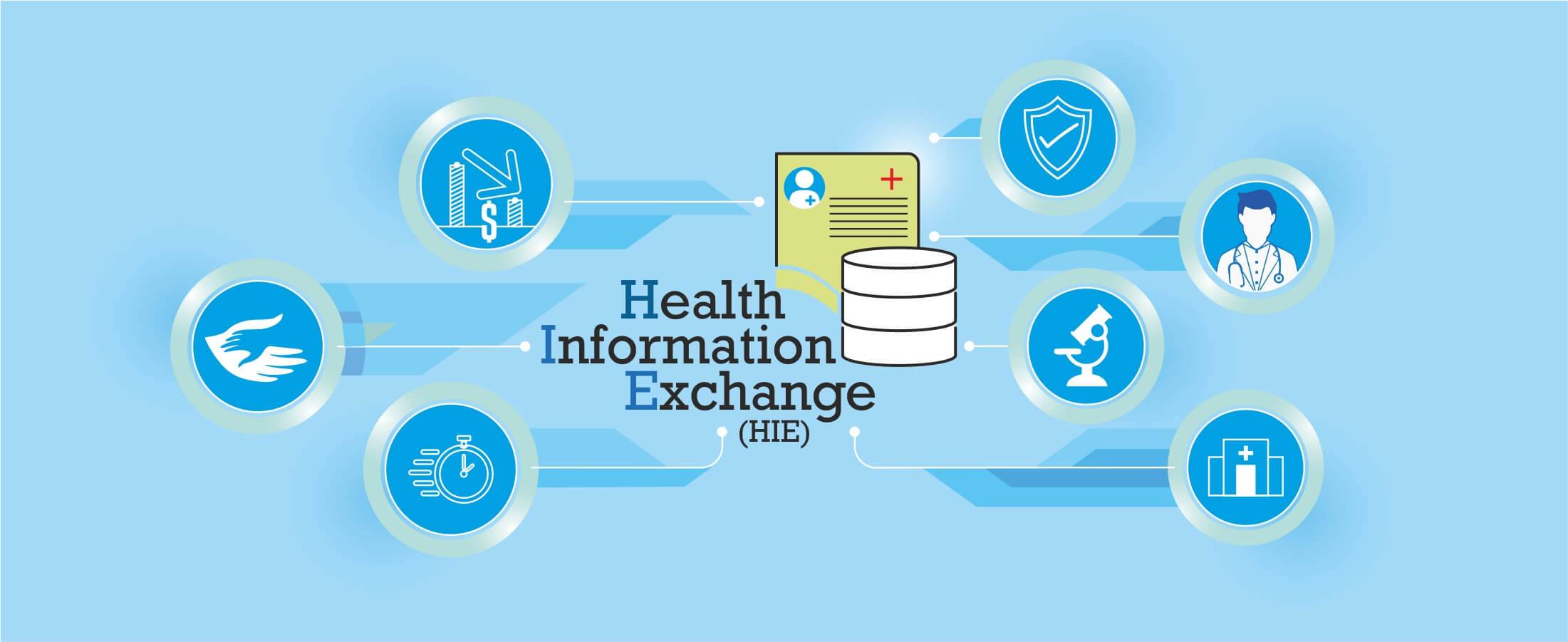
Health Information Exchange (HIE): A Primer
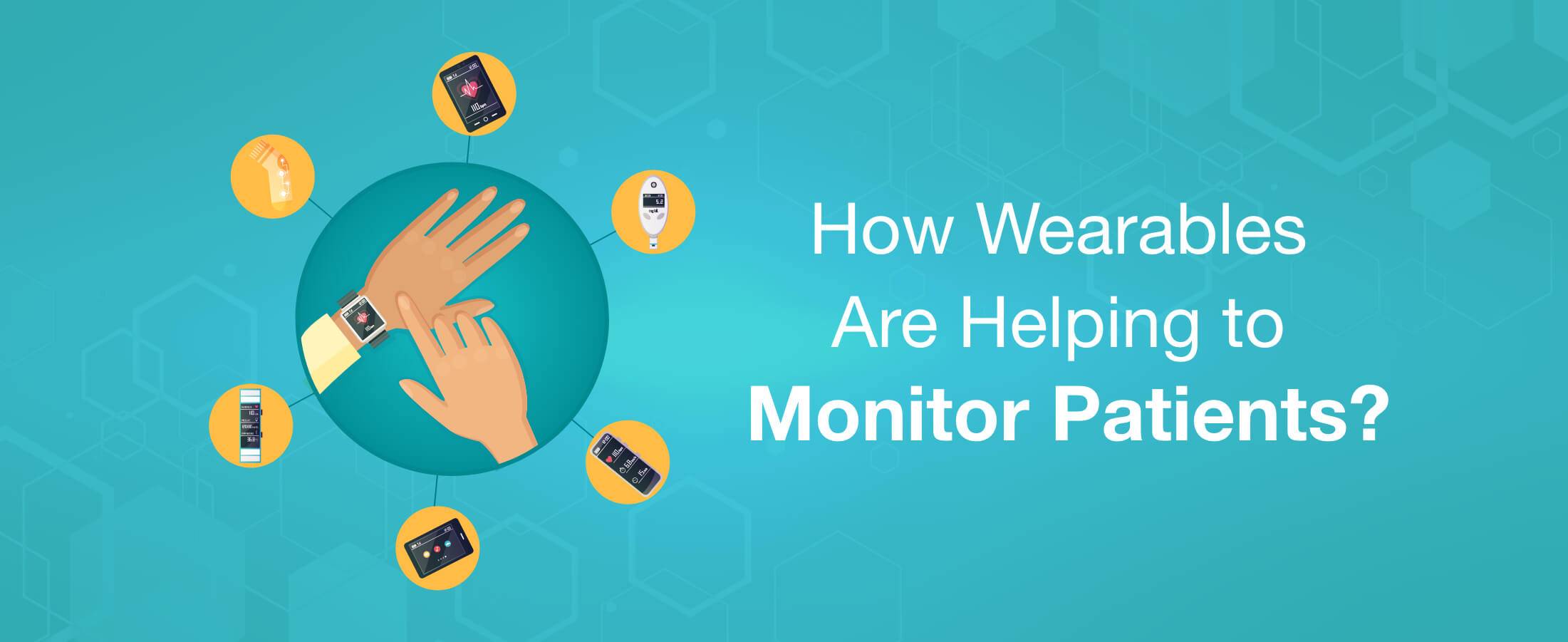
How Wearables are Helping to Monitor Patients
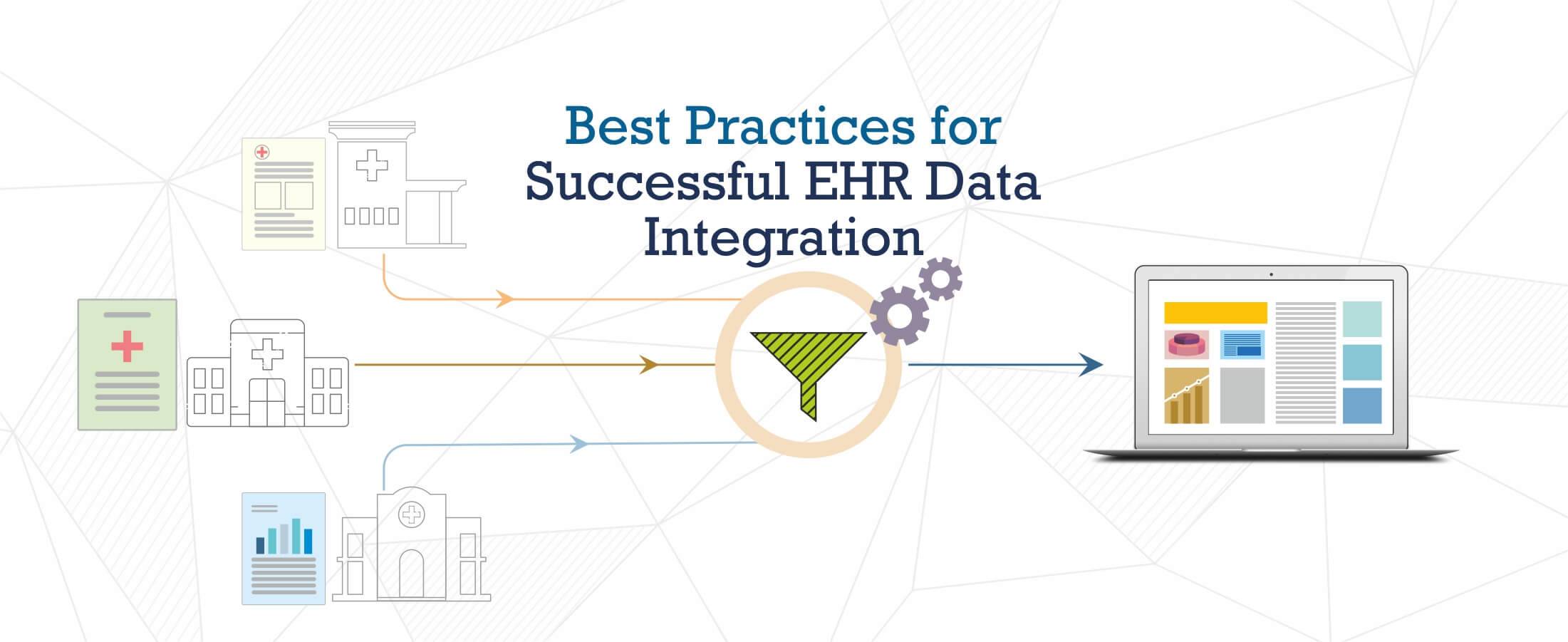
Best Practices for Successful EHR Data Integration

Importance of Sustainable Last-Mile Delivery Options in Building
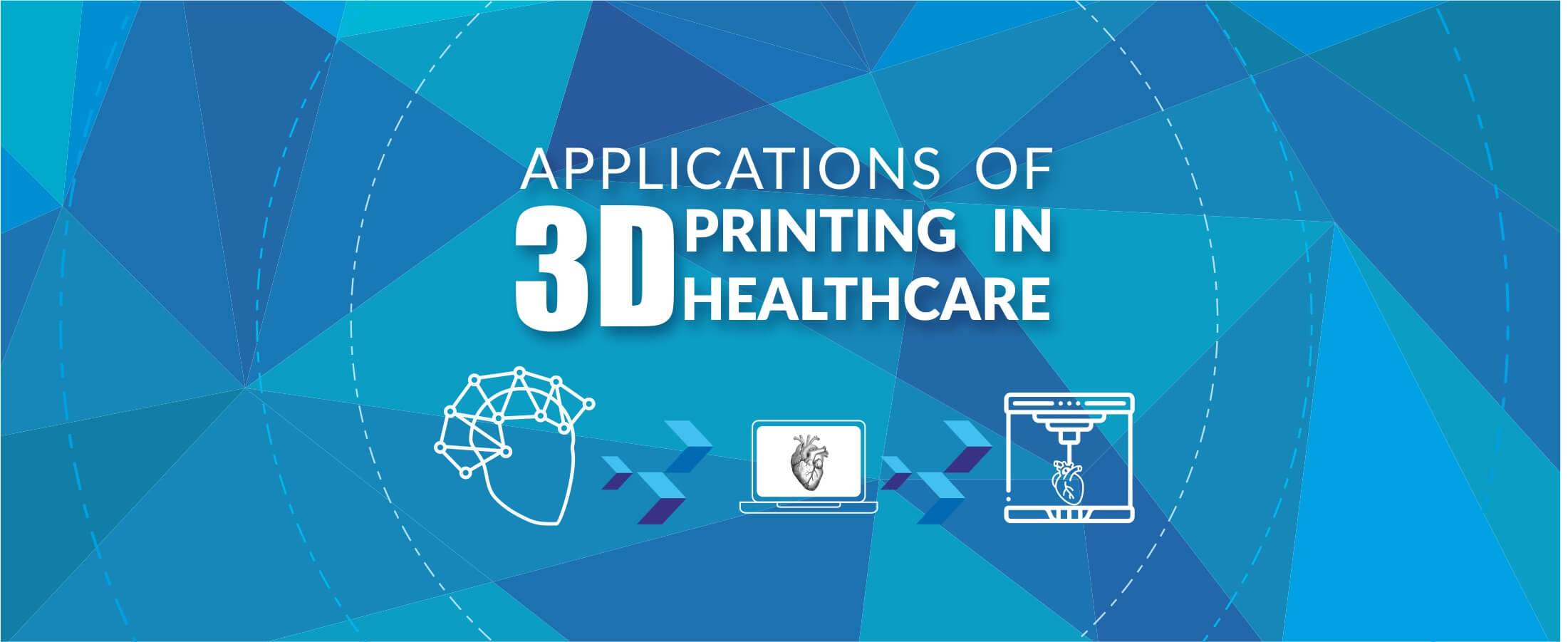
Applications of 3D Printing in Healthcare
Application and Advantages of Artificial Intelligence and Machine
What is Technical SEO?
Healthcare Tech Space Review 2019

What is AWS Lambda? & AWS Lambda Use Case
Digital Marketing Strategies for Real Estate Agents
Web API and HL7 FHIR – The Future of Interoperability
Why FHIR is Better?
Real Estate Tech Space Review 2019
Improving Patient Care with Chronic Care Management
10 Healthcare Tech Trends to Follow in 2020
10 Real Estate Tech Trends to Follow in 2020
iBuyer: Disruptive Business Model or a Passing Fad?
Symptom Checker: Your personal mhealth app
Facebook for Real Estate Marketing
Use cases for Big Data in Real Estate
Can Real Estate be Uberized?
Using Predictive Analysis for Better Management of Patient Emerge
Challenges in Aggregating MLS Data
Home Navigation for the Visually Challenged
Uberization of Healthcare
Using mHealth for monitoring symptoms in children
Pinterest for Real Estate Marketing
Advancement of Voice Inputs over Text in Healthcare
Instagram for Real Estate Marketing
Chatbots in Healthcare
Why brokers are moving to custom solutions rather than using gene
Virtual Hospitals: Future of Healthcare

What Happens in Vegas, Stays in Vegas – Well, not if you ha
8 Healthcare Tech Trends to watch out for in 2019
6 Reasons Why Telemedicine Hasn’t Taken Off

5 Real Estate Tech Trends to watch out for in 2019
How MLS APIs Can Improve Your IDX Performance
How can Realtors generate quality leads using Social Media?
What is the difference between RETS and RESO Web API?
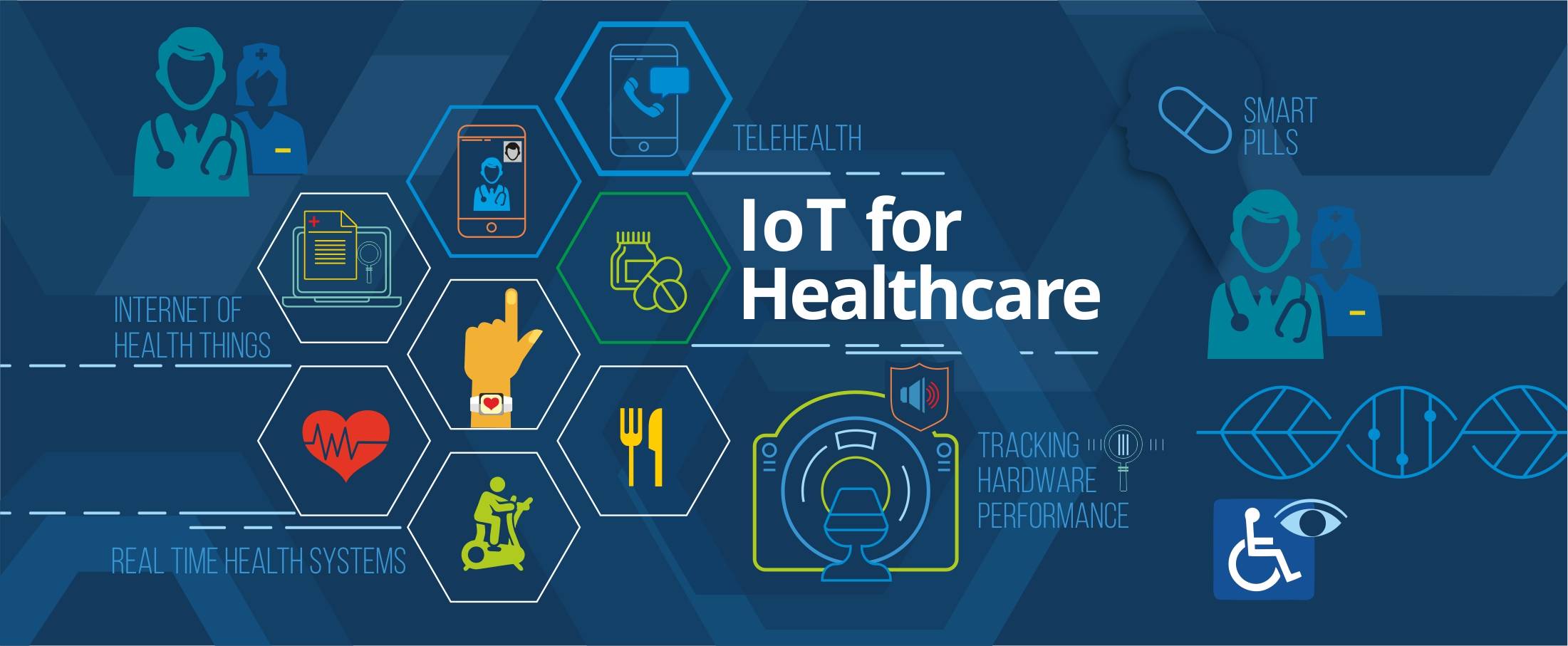
IoT for Healthcare

3D Home Tours – A must have in today’s world?
3D Printing in Real Estate

Pros & Cons of integrating RETS in your website

Blockchain: Opportunities for Healthcare
Pros & Cons of Integrating IDX in your Website
4 Reasons why you need to integrate RESO compliant MLS
Docker Selenium Grid for Parallel Test Execution
IDX vs RETS vs MLS vs RESO
How is AI Transforming Healthcare
The Future of Virtual Reality in Healthcare

Smart Contracts in Real Estate using Blockchain

How To Choose The Right CRM For Your Business
Best UX Design Practices for Healthcare Applications
FHIR Integration for Better Patient Engagement
IoT for SMART Real Estate
AI to Automate Pre-Showing Process
Best Practices for Healthcare Data Governance

Will Virtual Reality in Real Estate Replace Property Showing?
A Secure Web is Here
Will Uber-ized Property Showing Gain Momentum?
Future of Cloud Computing in Healthcare
5 Real Estate Tech Predictions for 2018

Key Takeaways From Inman Connect NYC 2018 #ICNY
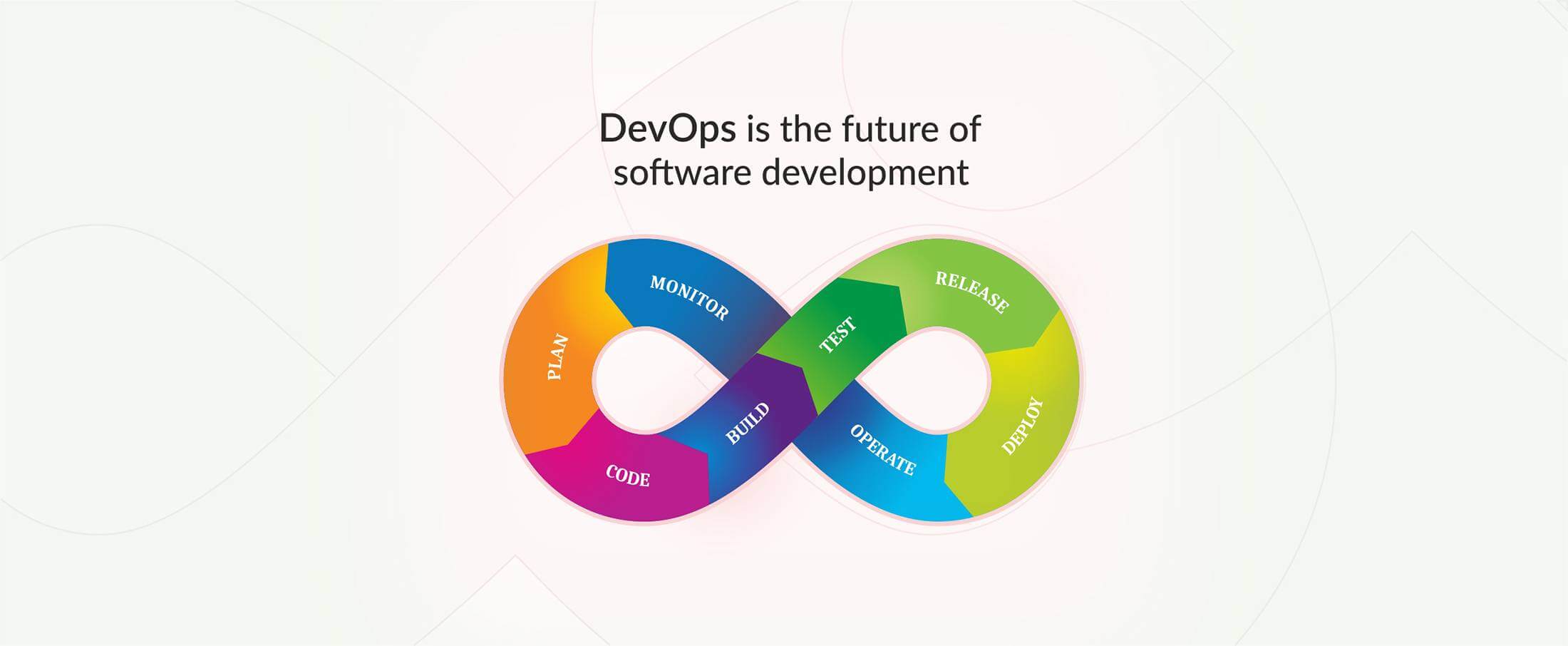
DevOps is the future of the software development
9 Proven Ways to Optimize Google Page Speed

3 Ways to Generate More Real Estate Sales Leads
Introduction to Elasticsearch
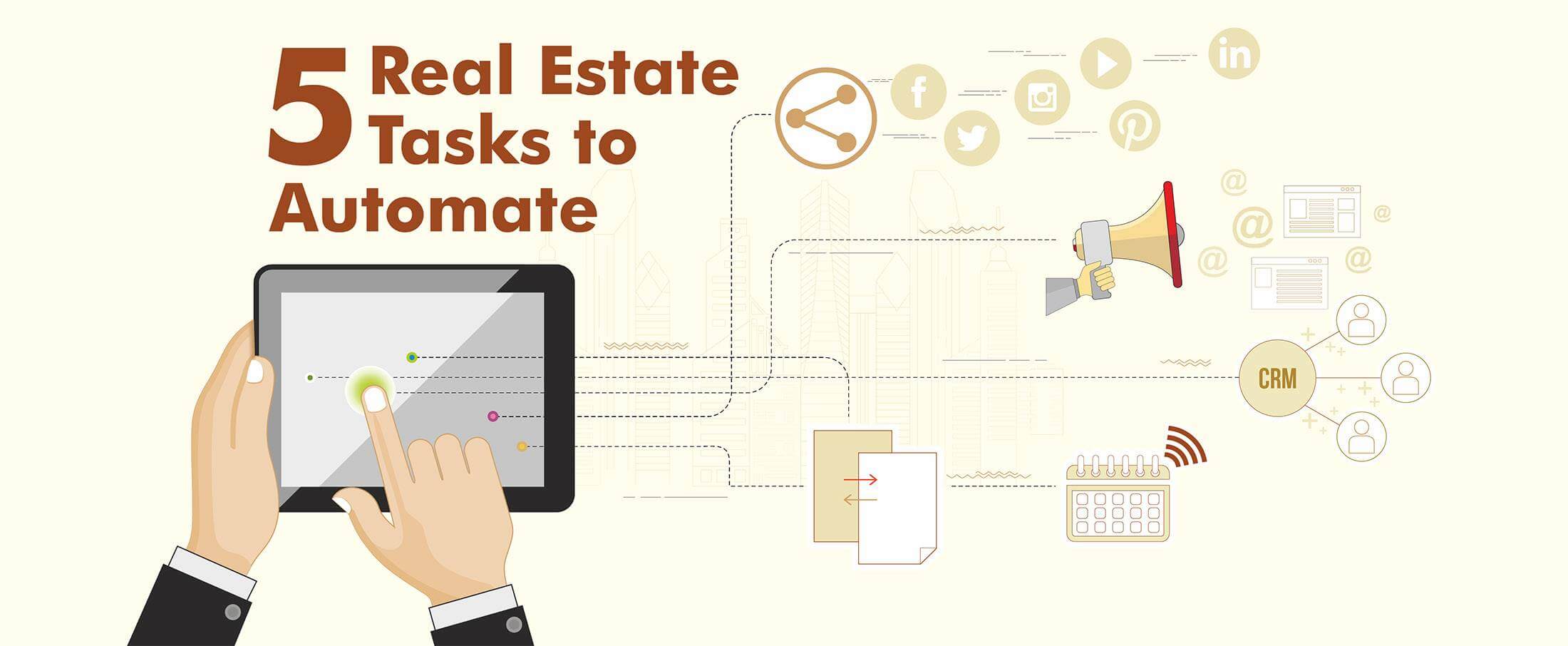
5 Real Estate Tasks to Automate
MLS Data: Roadblock for RealTech?

Part II – Writing Better, Faster and Easy to Maintain Mobil
Meteor Security Checks

3 Reasons Why You Need App Prototype For Your Idea
Apple Events September 2017

Part I – Writing Better, Faster and Easy to Maintain Mobile