EdTech Development: Creating Engaging Learning Platforms
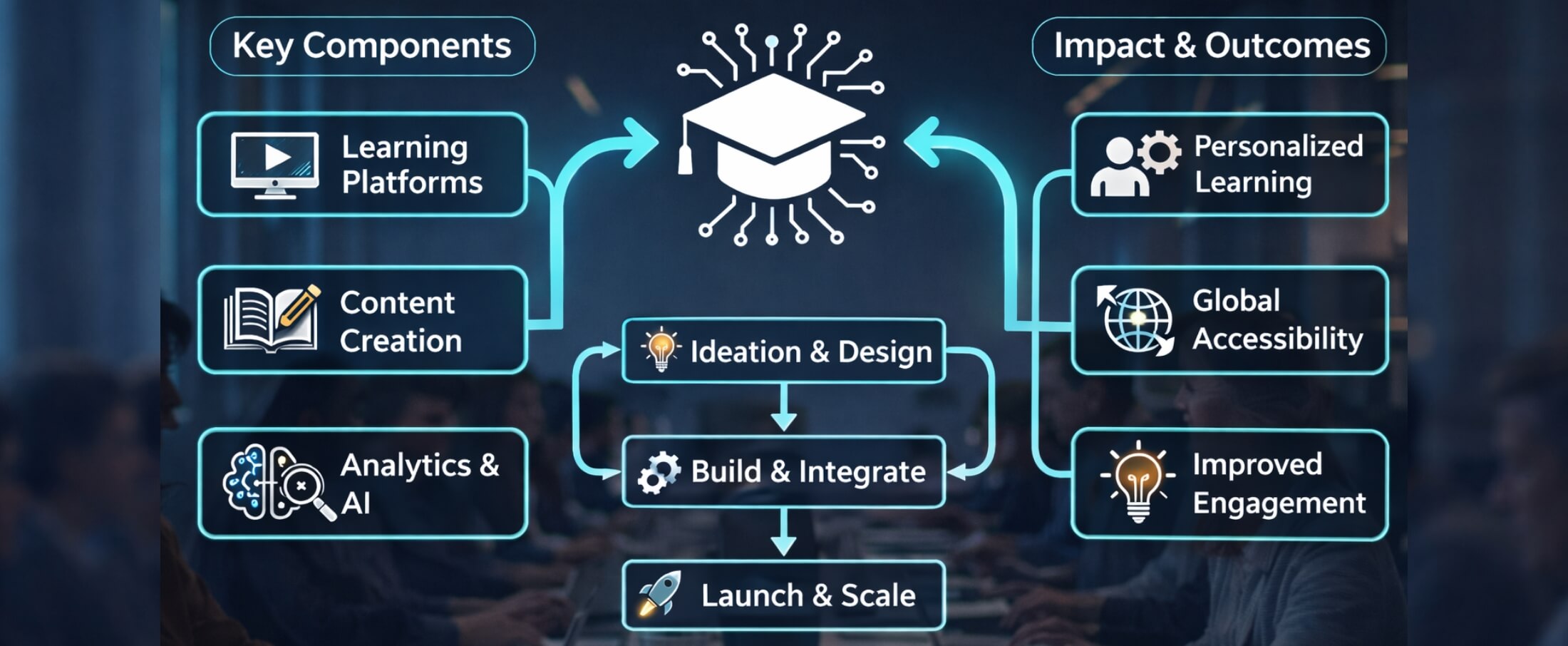
EdTech Development: Creating Engaging Learning Platforms — And How Mobifilia Helps You Build Them
Let’s face it: education has shifted. What used to happen only in classrooms now happens on screens, across devices, and at any time of day. Students, professionals, and lifelong learners expect learning experiences that feel meaningful, interactive, and fun — not just static video lectures or endless PDFs.
But building a learning platform that actually works — one that keeps users engaged, helps them learn, and supports growth — is challenging. You need the right technology, smart design, smooth performance, and a partner who understands both education and engineering.
That’s where Mobifilia comes in.
Based in Phoenix, Arizona with development support in India, Mobifilia is a technology partner that builds custom software solutions — including mobile and web apps — that are tailored to your goals and your learners’ needs.
Let’s talk about how EdTech platforms come to life — and how Mobifilia can help you create one that learners love.
Why Engagement Matters in EdTech
Traditional classroom learning relies on human interaction: eye contact, discussion, feedback, supervision. Online learning doesn’t have that built in automatically — it has to create engagement through technology.
Learners today expect:
- Personalization
They want content that adapts to their pace and preferences. - Interaction
Videos are great, but quizzes, simulations, and gamified progress feel alive. - Community
Discussion boards, group projects, and social learning tools keep people connected. - Real Feedback
Instant progress tracking and insights help learners stay motivated.
Without those elements, learners can easily lose interest or drop out — even if the content is solid. That’s why engagement isn’t a nice-to-have — it’s central to learning success.
What Makes a Great Learning Platform
There are a few pieces that separate a good EdTech application from a truly engaging one. Modern learning platforms should:
🧠 Be Personalized
Instead of “one size fits all,” adaptive pathways help learners feel seen — not stuck.
🎮 Include Interactivity
Quizzes, drag-and-drop activities, reflection prompts, challenges, and even game-style badges make learning active.
👥 Support Collaboration
Learning doesn’t have to be lonely. Features like discussion threads, group projects, and shared notes bring learners together.
📊 Track Progress
Learners want feedback — not just certification. Dashboards that show progress, strengths, and areas to revisit add real value.
📱 Be Accessible Everywhere
Today’s learners switch devices — from phones to tablets to laptops. Your platform should be responsive and reliable on every screen.
How Mobifilia Helps Build Winning EdTech Platforms
Starting With Strategy — Not Code
Before a line of code is written, Mobifilia takes time to understand your vision and your audience. This matters because education platforms aren’t one-size-fits-all — the needs of K-12 learners differ greatly from corporate learners or professional certification students.
Mobifilia helps you answer key questions like:
- Who are your learners?
- What problems are they trying to solve?
- What motivates them to keep learning?
- What kind of engagement will make a difference?
This early alignment of strategy and audience sets the foundation for a platform that actually works.
Designing Interfaces That Feel Natural
Great design isn’t just about looking good: it’s about feeling intuitive. Learners shouldn’t have to think about how to use your platform — just learn through it.
Mobifilia specializes in both web and mobile design that:
- Helps learners find content easily
- Makes navigation effortless
- Feels familiar and calming instead of confusing
Good UI/UX design in EdTech keeps frustration low and engagement high.
Building the Technology Backbone
With strategy and design in place, Mobifilia engineers your platform using the right mix of technologies for your needs. You might choose:
- Native mobile apps for deep learning experiences
- Cross-platform apps that work on both iOS and Android
- Web applications for broader access
- Hybrid apps for cost-effective, scalable development
Their development team — with senior engineers who handle mobile, web, cloud services, and more — brings experience in building custom solutions that work reliably in real life — not just in demos.
Adding Engagement Features That Matter
This is where EdTech becomes edtainment:
- Personalized Learning Paths
Content adapts to user performance, so learners stay challenged — but not overwhelmed. - Interactive Activities
Quizzes, polls, flashcards, and scenario-based learning make education fun and effective. - Gamification Elements
Leaderboards, badges, progress bars, and incentives turn learning into a journey with visible rewards. - Collaborative Tools
Discussion boards, chat features, peer reviews, and study groups help learners connect — making the platform feel like a community.
These engagement features transform passive reading into active learning.
Real-Time Insights and Analytics
Educators and administrators need data too. Mobifilia helps build analytics dashboards that show:
- 📊 Completion rates
- 📈 Engagement trends
- 📉 Drop-off points
- 👩🏫 Learner performance metrics
These insights help instructional designers and content creators improve the platform continuously — guided by data, not guesswork.
Ongoing Support and Growth
Launching the platform is only the beginning. As your user base grows, and as you add new courses or features, your system needs to scale without hiccups. Mobifilia supports this growth with:
- Performance optimization
- Maintenance and updates
- Feature enhancements
- Cloud scalability strategies
This ongoing support means your platform stays stable, relevant, and competitive over time — not just at launch.
What Success Looks Like
When Mobifilia helps build an EdTech platform, clients see results in:
- Higher Engagement and Completion Rates
Learners stay involved longer and complete more courses. - Better Learning Outcomes
Interactive features help learners retain more information. - Stronger Brand Reputation
A well-designed platform positions your institution or business as forward-thinking and learner-centric. - Scalable Growth
Whether you start with 100 learners or 100,000, your platform performs smoothly.
This means real impact, not just a nice app.
Real-World Example: What an Engaging Educational App Could Look Like
Imagine a professional skills platform designed to help employees upskill:
- The app welcomes learners with personalized recommendations
- Short interactive modules make progress feel easy
- Gamified badges keep users motivated
- Analytics help HR understand skill gaps and success rates
That’s not hypothetical — that’s how effective EdTech platforms perform when built with strategy at their core.
Why Clients Choose Mobifilia
Clients pick Mobifilia because:
- They listen before building
- They combine creative design with solid engineering
- They build for real learners — not just technology stacks
- Their teams deliver on time and on budget with transparency throughout the project life cycle
Whether you’re a startup launching your first course app or an enterprise reimagining internal training, Mobifilia helps you turn educational ideas into products people want to use.
Final Thoughts: Learning Platforms Built for People
Today’s learners are savvy, mobile, and hungry for experiences that feel engaging and relevant. If your EdTech idea doesn’t connect with people on that level, it won’t reach its potential.
But with thoughtful strategy, design that feels intuitive, and a development partner who understands both technology and user behavior, your EdTech vision can become a platform that truly makes a difference.
That’s exactly what Mobifilia helps you build — innovative, engaging, and scalable learning platforms that don’t just deliver content, but unlock potential.
- Custom EdTech Software
- EdTech Development
- Educational App Development
- eLearning Solutions
- Gamified Learning
- Learning Platform Development
23 Feb 2026
Related Posts

Integrating Multiple Systems? How Custom Software Can Break Down

Staff Augmentation vs Project Outsourcing: Which Model Fits Your

Building an App? 5 Mistakes to Avoid in the Early Stages

DevOps in Custom Software: Accelerating Delivery and Quality —

UI/UX Best Practices for Custom Web Applications — What They Re
Mobile App Development Trends 2026: AI, IoT, and Beyond

Why Choosing the Right Tech Stack Matters

MVP Development: Focusing on Core Features for Success — and Ho

Inbox Under Threat: How Human Verification Can Protect Email From

How to Enhance User Engagement with These Mobile App UX Hacks

10 Signs Your Business Needs Custom Software (And Not Off-the-She

From Concept to Creation: Understanding Product Engineering Servi

Save Time and Money with Effective Prototyping in Software Projec

Securing Your Application: Best Practices from Day 1

Why Custom Software Is a Smart Investment for SMBs

Custom Software for Healthcare: Innovations That Meet Compliance

FinTech Software Development: Security and Compliance Best Practi

Understanding HIPAA Compliance in Healthcare App Development: A C

Breaking the Fix-It Loop – Why Patching Alone Slows Growth

Why ‘Technical Feasibility’ is Crucial Before Buildin

Can AI Replace Designers? The Real Impact on Creative Design Team

Redesigning Hiring for the Underserved – A Blueprint for Talent

Agile vs Waterfall: How to Decide the Best Fit for Your Project

Web App vs Mobile App: How to Choose the Right Platform for Your

Behavioral Traits – The Hidden Engine of Retention

Building Custom Software on a Budget: Expert Advice for Startups

UX as Emotional Infrastructure

Mock Interviews, Real Confidence: Preparing Beyond the Resume

Rapid Prototyping: How AI is Revolutionizing the Design Process i

What If Job Matching Measured Mindsets, Not Just Degrees?

Why Job Boards Fail in Developing Economies

Transforming Software: How AI is Making It More User-Friendly and

Leave Management System – Admin & HR Controls

When Code Bows to Culture

The Role of AI in Super High Paced Development: Transforming the

Who is Soham Parekh?

Leave Management System – Instant Leave Decisions

Leave Management System – Employee Leave Flow

AI-Based Error Log Analyzer: A Smarter Way to Handle Infrastructu

Why Pictures (and Sounds) Speak Louder Than Tables

Leave Management System – Mobile First

Leave Management System – Real Cost
Leave Management System

Keeping Workers Safe: How Computer Vision Revolutionizes Industri
The AI Whisperer: Unmasking Public Opinion with Sentiment Analysi
EHR Interoperability: Enhancing Care Coordination

EHR Security Best Practices: Safeguarding Patient Data

The Benefits of Implementing EHR Systems in Healthcare
Big Data Trends in Healthcare
Business Intelligence for Healthcare Industry
How Mobile Apps Are Transforming Healthcare
Practical Use Cases of RPA in the Healthcare Industry
Google Core Update January 2020
Health Information Exchange (HIE): A Primer
How Wearables are Helping to Monitor Patients
Best Practices for Successful EHR Data Integration
Importance of Sustainable Last-Mile Delivery Options in Building
Applications of 3D Printing in Healthcare
Application and Advantages of Artificial Intelligence and Machine
What is Technical SEO?
Healthcare Tech Space Review 2019
What is AWS Lambda? & AWS Lambda Use Case
Digital Marketing Strategies for Real Estate Agents
Web API and HL7 FHIR – The Future of Interoperability
Why FHIR is Better?
Real Estate Tech Space Review 2019
Improving Patient Care with Chronic Care Management
10 Healthcare Tech Trends to Follow in 2020
10 Real Estate Tech Trends to Follow in 2020
iBuyer: Disruptive Business Model or a Passing Fad?
Symptom Checker: Your personal mhealth app
Facebook for Real Estate Marketing
Use cases for Big Data in Real Estate
Can Real Estate be Uberized?
Using Predictive Analysis for Better Management of Patient Emerge
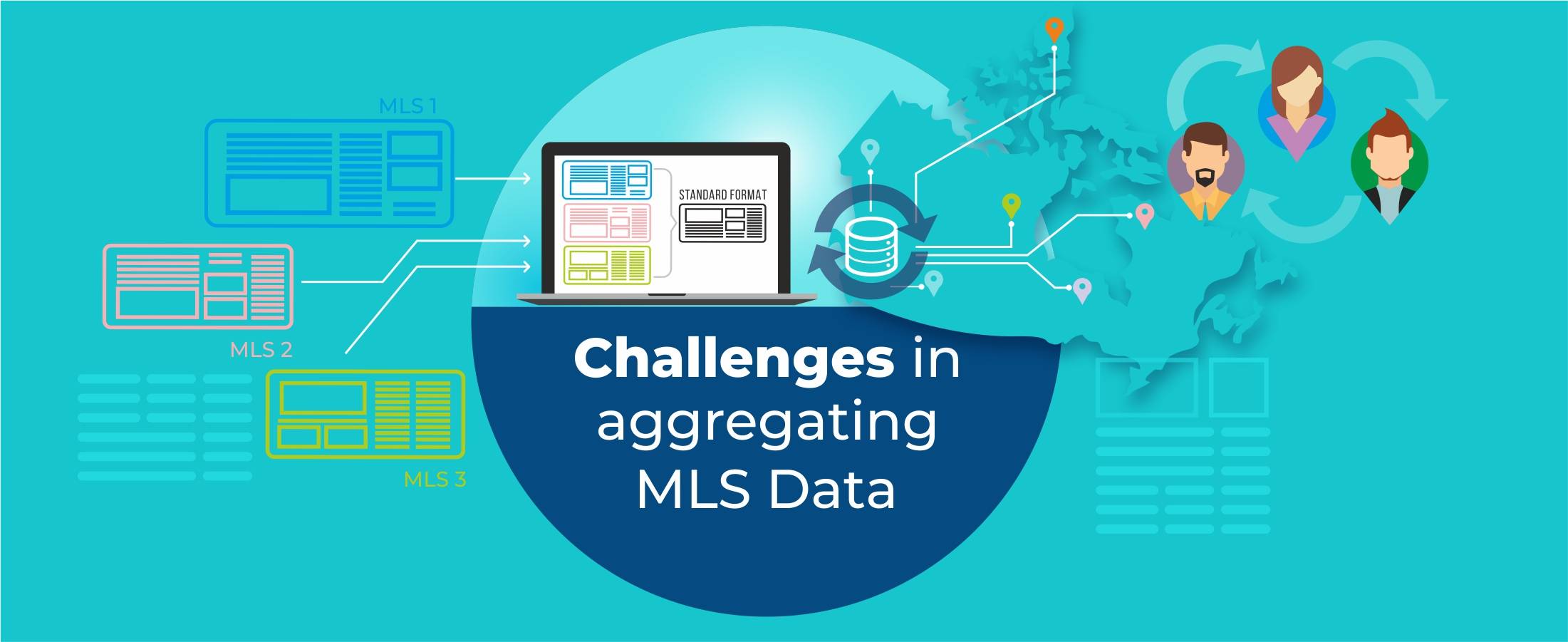
Challenges in Aggregating MLS Data
Home Navigation for the Visually Challenged

Uberization of Healthcare
Using mHealth for monitoring symptoms in children
Pinterest for Real Estate Marketing
Advancement of Voice Inputs over Text in Healthcare
Instagram for Real Estate Marketing
Chatbots in Healthcare
Why brokers are moving to custom solutions rather than using gene
Virtual Hospitals: Future of Healthcare

What Happens in Vegas, Stays in Vegas – Well, not if you ha
8 Healthcare Tech Trends to watch out for in 2019

6 Reasons Why Telemedicine Hasn’t Taken Off
5 Real Estate Tech Trends to watch out for in 2019
How MLS APIs Can Improve Your IDX Performance
How can Realtors generate quality leads using Social Media?
What is the difference between RETS and RESO Web API?
IoT for Healthcare

3D Home Tours – A must have in today’s world?
3D Printing in Real Estate
Pros & Cons of integrating RETS in your website

Blockchain: Opportunities for Healthcare
Pros & Cons of Integrating IDX in your Website
4 Reasons why you need to integrate RESO compliant MLS
Docker Selenium Grid for Parallel Test Execution
IDX vs RETS vs MLS vs RESO
How is AI Transforming Healthcare
The Future of Virtual Reality in Healthcare
Smart Contracts in Real Estate using Blockchain

How To Choose The Right CRM For Your Business
Best UX Design Practices for Healthcare Applications
FHIR Integration for Better Patient Engagement
IoT for SMART Real Estate
AI to Automate Pre-Showing Process
Best Practices for Healthcare Data Governance
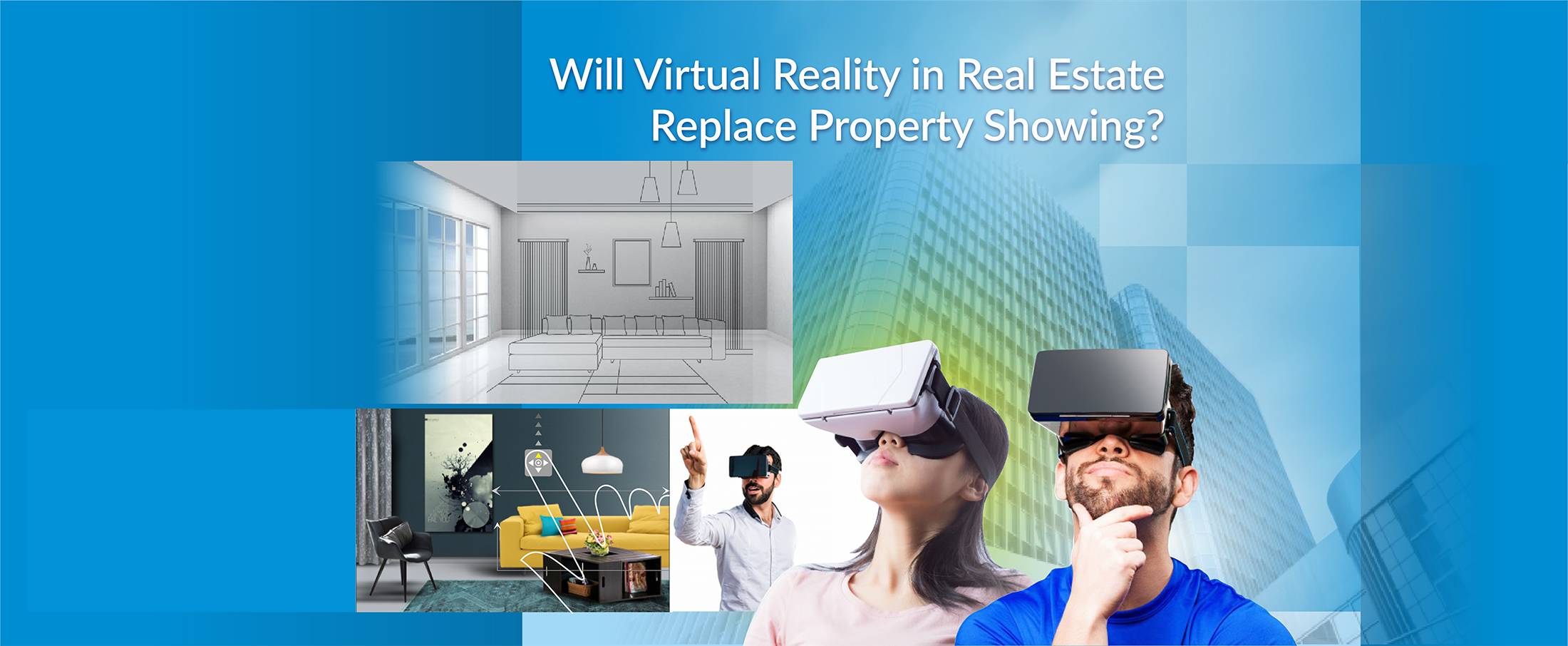
Will Virtual Reality in Real Estate Replace Property Showing?
A Secure Web is Here
Will Uber-ized Property Showing Gain Momentum?
Future of Cloud Computing in Healthcare
5 Real Estate Tech Predictions for 2018
Key Takeaways From Inman Connect NYC 2018 #ICNY
DevOps is the future of the software development
9 Proven Ways to Optimize Google Page Speed

3 Ways to Generate More Real Estate Sales Leads
Introduction to Elasticsearch
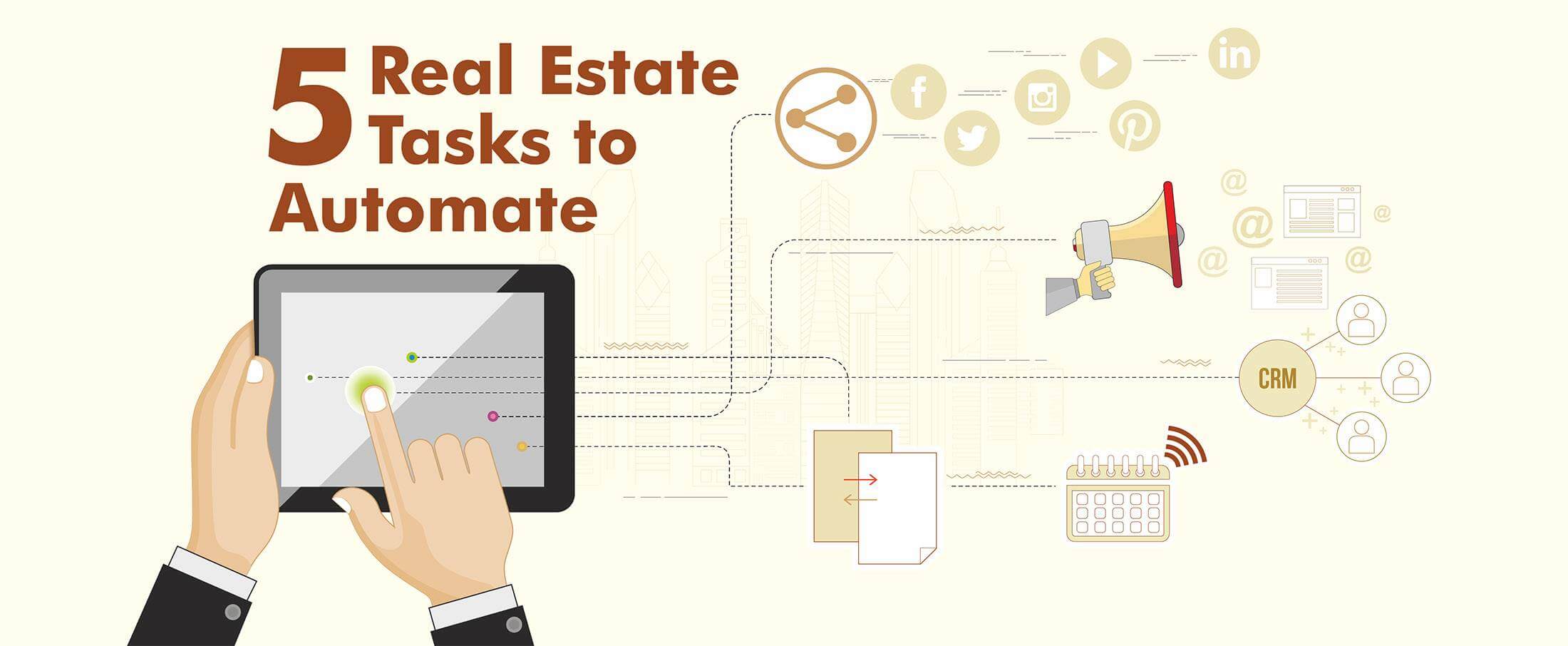
5 Real Estate Tasks to Automate
MLS Data: Roadblock for RealTech?

Part II – Writing Better, Faster and Easy to Maintain Mobil
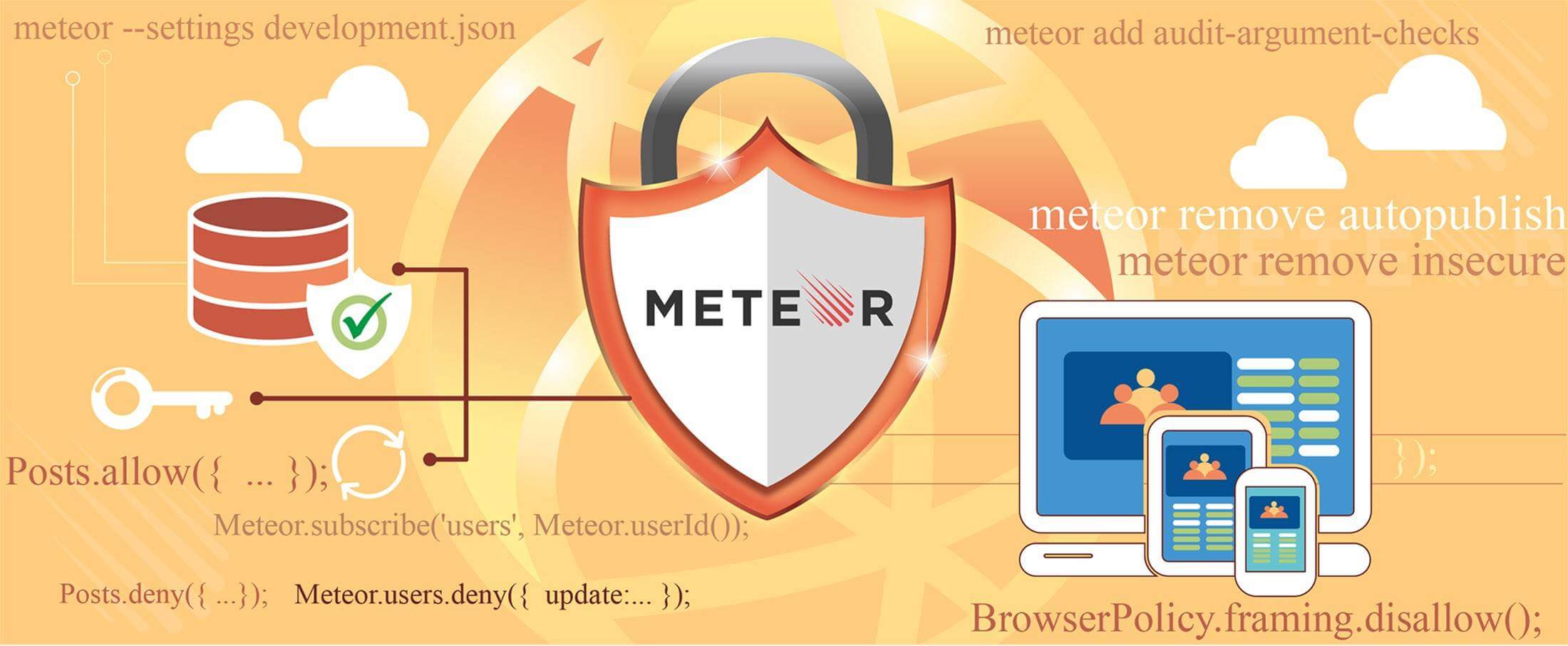
Meteor Security Checks
3 Reasons Why You Need App Prototype For Your Idea
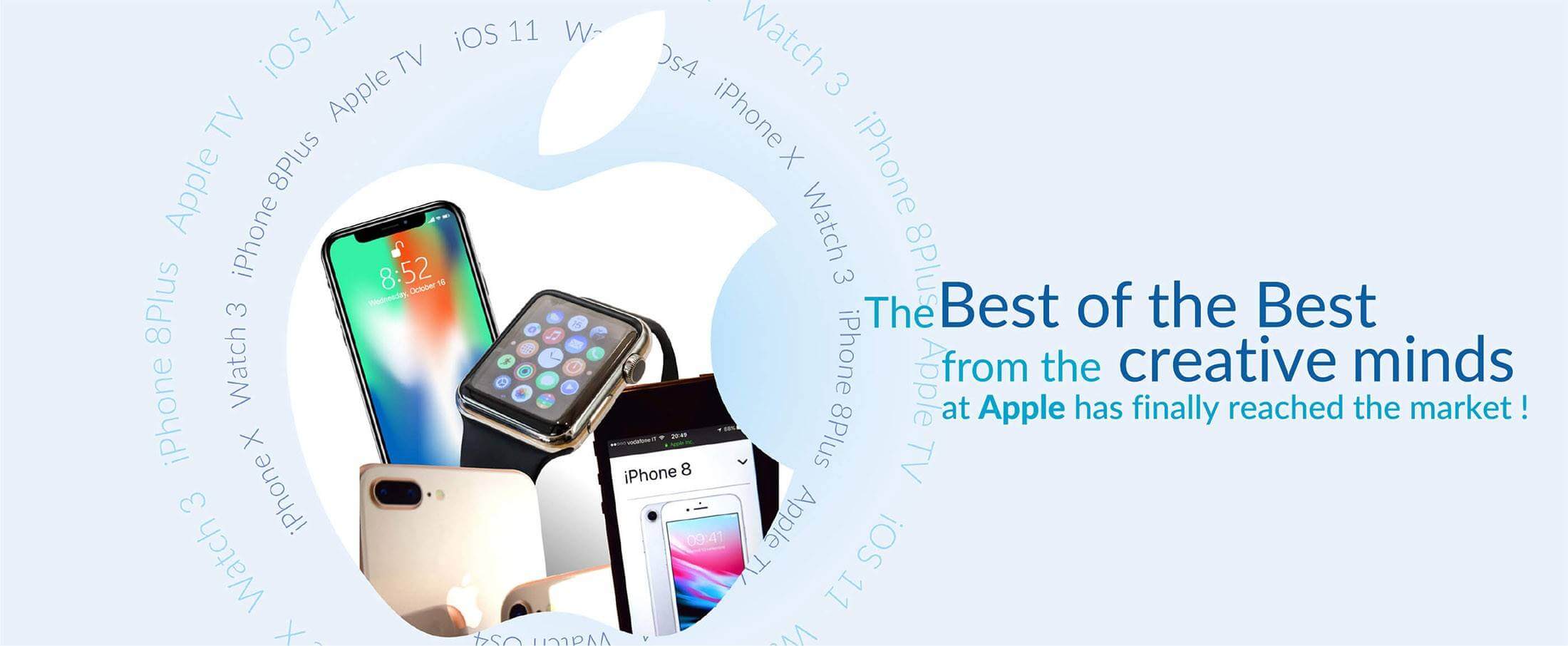
Apple Events September 2017

Part I – Writing Better, Faster and Easy to Maintain Mobile