From Concept to Creation: Understanding Product Engineering Services

Introduction
You have a brilliant idea, but turning that concept into a tangible, market-ready product requires more than just enthusiasm. Product engineering services bridge the gap between imagination and reality, transforming abstract concepts into functional products that customers actually want to use.
Product engineering services explained: from idea to market, this process applies engineering principles across multiple disciplines—mechanical, electrical, and software—to create products that don’t just work, but excel in performance, usability, and reliability. You’re not simply building something; you’re architecting solutions that solve real problems while meeting strict technical specifications and quality standards.
The journey from concept to creation follows a structured product lifecycle that includes:
- Ideation – where innovative concepts take shape
- Design and prototyping – bringing ideas into visual and functional form
- Development – integrating hardware and software components
- Testing – validating performance, safety, and user experience
- Launch – introducing your product to the market
- Lifecycle management – continuous improvement based on user feedback
Each stage demands careful attention to quality standards. You can’t afford to skip steps or rush through validation. The difference between a successful product and a failed launch often comes down to how rigorously you execute each phase of the engineering process.
What Are Product Engineering Services?
Product engineering services involve using engineering principles throughout the entire process of creating a product—starting from the initial idea and ending with a product that is ready for the market. It goes beyond just building something; it involves using various engineering disciplines to bring together different technical skills and solve complicated problems.
The Three Main Disciplines of Product Engineering
Product engineering combines three main areas of expertise:
- Mechanical engineering: This branch of engineering deals with physical parts, choosing materials, and ensuring that structures are strong and stable.
- Electrical engineering: Electrical engineers are responsible for designing circuits, power systems, and electronic components.
- Software engineering: Software engineers create the digital intelligence that powers modern products.
How Product Engineering Differs from General Product Development
You may be curious about how product engineering differs from general product development. While product development focuses on understanding the market, meeting user needs, and formulating business strategies, product engineering goes deeper into the technical details—the how behind the what. It involves making decisions about materials based on their ability to withstand certain temperatures, figuring out how different components communicate electronically, or optimizing performance through specific algorithms.
The Goals of Product Engineering
The main goals of product engineering are innovation and functionality. It aims to create products that not only work but work exceptionally well while also pushing the boundaries of technology.
The Product Engineering Lifecycle: From Idea to Market
The journey from concept to creation follows a structured path that transforms abstract ideas into tangible products. Each phase builds upon the previous one, creating a comprehensive framework that addresses technical, commercial, and user-centric considerations.
Ideation: Generating Innovative Concepts
Ideation marks the starting point where creativity meets strategic thinking. You’ll employ techniques like brainstorming sessions, market research analysis, competitive benchmarking, and user persona development to identify opportunities. This stage requires you to balance innovation with practicality, ensuring concepts align with market needs and technical feasibility.
Design and Prototyping
Once you’ve validated your concept, design and prototyping brings ideas to life through visual and functional representations. CAD software enables you to create detailed 3D models, simulate real-world conditions, and identify potential design flaws before physical production begins. You’ll iterate through multiple prototype versions, refining dimensions, ergonomics, and aesthetic elements based on stakeholder feedback.
Materials Selection and Manufacturing Processes
Choosing appropriate materials and manufacturing processes directly impacts your product’s performance, cost, and market viability. You need to evaluate factors like strength-to-weight ratios, thermal properties, environmental resistance, and production scalability. Whether you’re selecting injection molding for plastic components or CNC machining for precision parts, each decision influences the final product’s quality and manufacturability.
Hardware-Software Integration
Modern products rarely exist as purely mechanical or digital entities. Hardware-software integration presents unique challenges as you synchronize physical components with embedded systems, firmware, and user interfaces. You’ll address communication protocols, power management, sensor calibration, and real-time data processing to ensure seamless operation.
Testing and Validation
Comprehensive testing validates every aspect of your product before market entry. You’ll conduct performance benchmarks, reliability stress tests, usability studies, and safety compliance checks. This rigorous validation process identifies defects, verifies specifications, and confirms regulatory adherence.
Lifecycle Management
Post-launch lifecycle management keeps your product relevant through continuous improvement. You’ll monitor user feedback, track performance metrics, release software updates, and plan hardware revisions that extend product longevity and maintain competitive positioning.
To effectively manage these complexities throughout the product engineering lifecycle—from ideation to lifecycle management—it’s crucial to follow structured guidelines such as those outlined in this comprehensive document.
Methodologies Driving Efficient Product Engineering
Agile development and lean frameworks have become the backbone of modern product engineering services, replacing traditional waterfall approaches that often led to costly delays and misaligned outcomes. You’ll find these methodologies particularly valuable when you need to respond quickly to market changes while maintaining technical excellence.
Agile Development: Breaking Down Complexity
Agile development breaks down complex engineering projects into manageable sprints, typically lasting two to four weeks. You work in cross-functional teams that include mechanical engineers, software developers, and product managers who collaborate daily. This approach allows you to validate assumptions early, catch design flaws before they become expensive problems, and adjust your technical specifications based on real-world testing data.
Lean Frameworks: Eliminating Waste
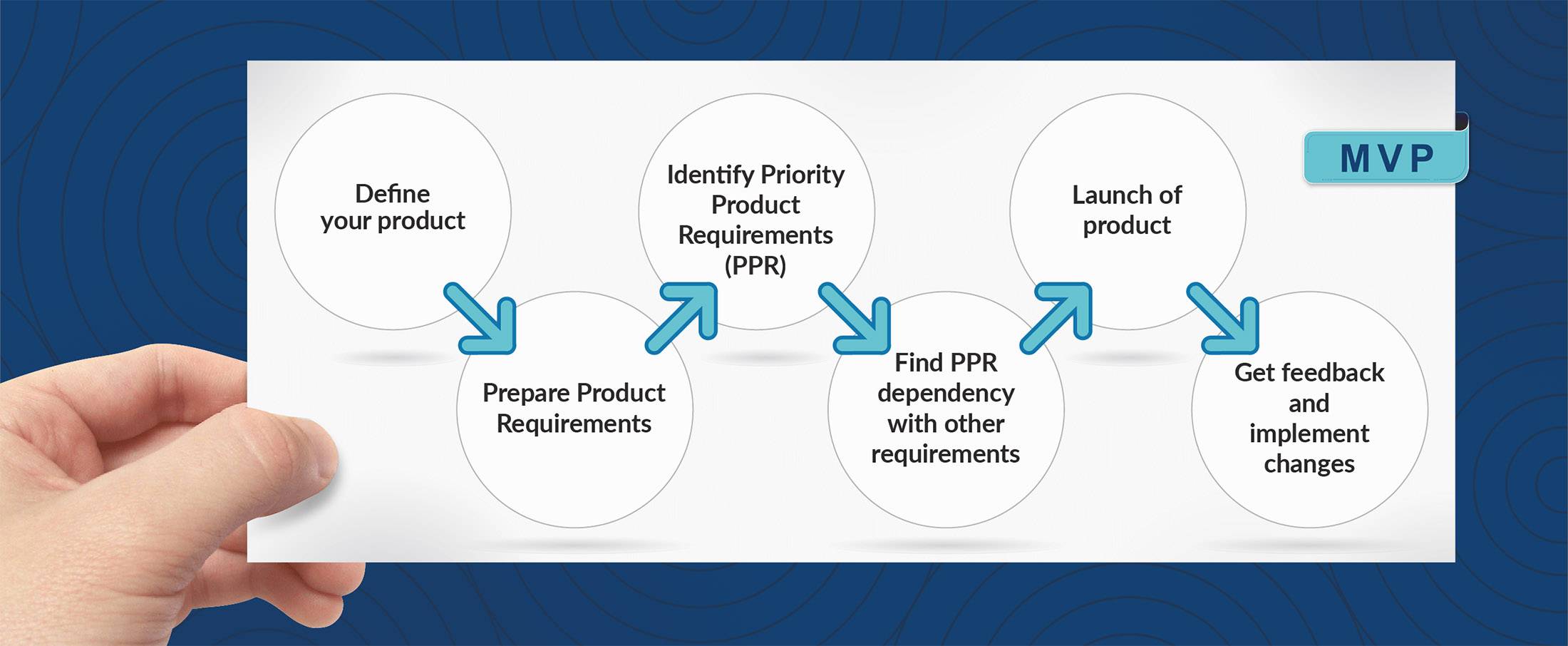
Lean frameworks complement agile by eliminating waste throughout your engineering process. You focus on value-adding activities while removing redundant steps that drain resources without improving product quality. This means conducting rapid prototyping sessions, using minimum viable products (MVPs) to test core functionalities, and gathering user feedback before committing to full-scale production.
Iterative Improvements: Short Feedback Cycles
The power of iterative improvements lies in short feedback cycles. You release functional prototypes, collect performance metrics, and refine your design in successive iterations. This cycle accelerates your time-to-market significantly—you can launch products 30-50% faster compared to traditional methods. You maintain quality standards because each iteration undergoes rigorous testing, ensuring that speed never compromises reliability or safety.
Core Services Offered in Product Engineering
Product engineering firms offer a wide range of services that are designed to turn your idea into a product that is ready for the market. These services cover all the important aspects of creating a product.
1. Strategy Execution Planning
This is the first step towards successful product engineering. You will collaborate with experts who will convert your business vision into practical technical plans. These plans will outline important goals, how resources will be used, and timelines that match your market goals.
2. Technical Feasibility Assessments
Before investing a lot of resources, it’s important to know what is possible. Engineers will assess your idea based on current technology limitations, manufacturing capabilities, and budget constraints. You will receive detailed reports on potential challenges, alternative solutions, and realistic cost estimates to help you make informed decisions.
3. Mission-Critical Systems Development
This service focuses on developing the essential features that make your product functional. Whether you are creating medical devices that require fail-safe mechanisms or aerospace components that need extreme accuracy, specialized teams will develop systems that meet strict industry requirements and regulations.
To ensure you are building something that people actually want, this service conducts thorough testing methods such as usability studies, beta testing programs, and user acceptance testing. You will gather concrete data about how real users interact with your product through these methods. This validation process will help identify problems and areas for improvement before launching on a large scale.
5. Web & Mobile App Implementation
This service ensures that your digital products have consistent performance across different platforms. Development teams take care of everything from creating responsive web interfaces to developing native mobile applications, providing seamless experiences for users whether they access your product on a desktop computer, tablet, or smartphone.
In this service, engineers thoroughly examine your product’s ability to handle increased usage and maintain reliability in real-world situations. They conduct stress tests on systems, identify areas where performance may be slow (bottlenecks), and suggest improvements to ensure your product operates efficiently as more users start using it.
7. Launch Strategies
This service combines technical readiness with commercial planning. You will receive guidance on how to deploy your product, the different phases of launching it, how to monitor its performance, and the support systems needed for a successful entry into the market.
Industry Applications Benefiting from Product Engineering Services
Product engineering services drive innovation across multiple sectors, each with unique technical demands and regulatory requirements. You’ll find these specialized services transforming how companies bring breakthrough products to market.
1. Wearable Technology
The wearable tech sector relies heavily on product engineering to miniaturize complex electronics while maintaining battery efficiency and user comfort. Fitness trackers, smartwatches, and health monitoring devices require seamless integration of sensors, processors, and wireless connectivity within compact form factors. Engineers tackle challenges like power consumption optimization and ensuring accurate biometric data collection.
2. Medical Devices
Medical device development demands rigorous adherence to regulatory standards like FDA approval and ISO 13485 certification. Product engineering teams work on life-saving equipment ranging from diagnostic imaging systems to implantable devices. You need specialized expertise in biocompatibility testing, sterilization processes, and clinical validation protocols to bring these products to market safely.
3. Aerospace Electronics
Aerospace applications require components that withstand extreme temperatures, vibrations, and radiation exposure. Product engineering services help develop avionics systems, navigation equipment, and communication devices that meet stringent reliability standards. Engineers focus on redundancy systems and fail-safe mechanisms to ensure operational safety at high altitudes.
4. Automotive Electronics
The automotive industry leverages product engineering for advanced driver assistance systems (ADAS), infotainment platforms, and electric vehicle battery management systems. You’ll see engineers working on autonomous driving technologies, vehicle-to-vehicle communication protocols, and integrated sensor arrays that enhance safety and driving experience.
5. Digital Banking Platforms
Financial institutions use product engineering services to build secure, scalable digital banking platforms powered by AI-driven personalization engines. These systems handle real-time transaction processing, fraud detection algorithms, and customer authentication mechanisms while maintaining compliance with financial regulations.
Emerging Technologies Shaping Modern Product Engineering
1. Artificial Intelligence (AI)
Artificial intelligence has transformed how engineering teams use predictive analytics. With AI, you can now:
- Forecast product performance
- Identify potential failures before they happen
- Optimize design decisions based on insights from data
AI algorithms analyze large amounts of user behavior data, allowing you to refine features and functionality with unmatched accuracy. Machine learning models help you predict when maintenance will be needed, reducing downtime and extending the lifespan of your product.
2. Cloud-Native Architecture
Cloud-native architecture changes the way you create and launch products. This method lets you develop solutions that can easily scale up or down based on demand without requiring significant investments in infrastructure. The advantages include:
- Lower operational costs
- Flexibility to adjust resources according to real-time needs
Cloud platforms also facilitate smooth collaboration among distributed teams across different locations.
3. Microservices Design
Microservices design breaks down complex systems into smaller, independent components that can be deployed separately. This approach gives you the ability to:
- Update specific features without affecting the entire product ecosystem
- Accelerate development cycles
- Allow different teams to work on separate services at the same time
When one component requires changes, you can deploy those modifications without disrupting other parts of your product.
4. Internet of Things (IoT)
The Internet of Things (IoT) connects physical products to digital systems, enabling real-time monitoring and control. With IoT, you can:
- Continuously collect performance data
- Perform remote diagnostics
- Implement proactive maintenance strategies
IoT integration also allows products to communicate with one another, creating intelligent systems that adapt dynamically to changing circumstances.
Outsourcing Product Engineering Services: When and Why?
You might find your internal team stretched thin when tackling complex technological challenges that demand niche expertise. Outsourcing benefits become apparent when you need to accelerate development timelines without compromising quality standards.
Companies turn to external product engineering partners when they lack specialized expertise in emerging technologies like IoT integration, cloud-native architectures, or AI-driven analytics. Your in-house team may excel at core business functions, but building a full-stack engineering capability internally requires significant time and financial investment.
The decision to outsource often stems from these practical considerations:
- Access to diverse skill sets across mechanical, electrical, and software engineering disciplines
- Scalability to ramp up or down based on project demands without long-term hiring commitments
- Cost efficiency by eliminating overhead expenses associated with maintaining large internal teams
- Faster time-to-market through parallel development workflows and round-the-clock productivity
- Focus preservation allowing your core team to concentrate on strategic business initiatives
You gain immediate access to engineers who’ve solved similar challenges across multiple industries. These professionals bring proven methodologies, established best practices, and lessons learned from previous projects. They understand regulatory requirements specific to your sector, whether you’re developing medical devices requiring FDA compliance or automotive systems adhering to ISO standards.
The outsourcing model enables continuous communication between your management and production teams, ensuring rapid release cycles while maintaining alignment with your product vision and business objectives.
Conclusion
The journey from concept to creation requires more than just technical skills—it needs a strategic vision that combines engineering accuracy with market realities. By mastering every phase of Product Engineering Services Explained: From Idea to Market, you position your business to deliver products that resonate with users while meeting stringent quality benchmarks.
A strong product engineering approach changes the way you compete. It gives you the ability to:
- Launch innovative solutions faster than competitors
- Reduce development costs through efficient processes
- Ensure regulatory compliance from day one
- Scale products seamlessly as demand grows
- Maintain consistent quality across iterations
The companies thriving today aren’t just building products—they’re orchestrating comprehensive engineering strategies that consider technical feasibility, user experience, and commercial viability simultaneously. Whether you choose in-house development or strategic outsourcing, the key lies in maintaining rigorous standards throughout each stage.
Your success depends on viewing product engineering as an integrated discipline instead of separate technical tasks. This holistic perspective sets market leaders apart from those struggling to keep up in an increasingly competitive landscape.
- Agile Development
- AI in Engineering
- Engineering Lifecycle
- Hardware Integration
- IoT
- Lifecycle Management
- Product Design
- Product Development
- Product Engineering
- Prototyping
27 Oct 2025
Related Posts
EdTech Development: Creating Engaging Learning Platforms

Integrating Multiple Systems? How Custom Software Can Break Down

Staff Augmentation vs Project Outsourcing: Which Model Fits Your

Building an App? 5 Mistakes to Avoid in the Early Stages

DevOps in Custom Software: Accelerating Delivery and Quality —
UI/UX Best Practices for Custom Web Applications — What They Re
Mobile App Development Trends 2026: AI, IoT, and Beyond

Why Choosing the Right Tech Stack Matters

MVP Development: Focusing on Core Features for Success — and Ho

Inbox Under Threat: How Human Verification Can Protect Email From

How to Enhance User Engagement with These Mobile App UX Hacks

10 Signs Your Business Needs Custom Software (And Not Off-the-She

Save Time and Money with Effective Prototyping in Software Projec

Securing Your Application: Best Practices from Day 1

Why Custom Software Is a Smart Investment for SMBs

Custom Software for Healthcare: Innovations That Meet Compliance

FinTech Software Development: Security and Compliance Best Practi

Understanding HIPAA Compliance in Healthcare App Development: A C

Breaking the Fix-It Loop – Why Patching Alone Slows Growth

Why ‘Technical Feasibility’ is Crucial Before Buildin

Can AI Replace Designers? The Real Impact on Creative Design Team

Redesigning Hiring for the Underserved – A Blueprint for Talent

Agile vs Waterfall: How to Decide the Best Fit for Your Project

Web App vs Mobile App: How to Choose the Right Platform for Your

Behavioral Traits – The Hidden Engine of Retention

Building Custom Software on a Budget: Expert Advice for Startups

UX as Emotional Infrastructure

Mock Interviews, Real Confidence: Preparing Beyond the Resume

Rapid Prototyping: How AI is Revolutionizing the Design Process i

What If Job Matching Measured Mindsets, Not Just Degrees?

Why Job Boards Fail in Developing Economies

Transforming Software: How AI is Making It More User-Friendly and

Leave Management System – Admin & HR Controls

When Code Bows to Culture

The Role of AI in Super High Paced Development: Transforming the

Who is Soham Parekh?

Leave Management System – Instant Leave Decisions

Leave Management System – Employee Leave Flow

AI-Based Error Log Analyzer: A Smarter Way to Handle Infrastructu

Why Pictures (and Sounds) Speak Louder Than Tables

Leave Management System – Mobile First

Leave Management System – Real Cost
Leave Management System
Keeping Workers Safe: How Computer Vision Revolutionizes Industri

The AI Whisperer: Unmasking Public Opinion with Sentiment Analysi

EHR Interoperability: Enhancing Care Coordination

EHR Security Best Practices: Safeguarding Patient Data

The Benefits of Implementing EHR Systems in Healthcare
Big Data Trends in Healthcare
Business Intelligence for Healthcare Industry
How Mobile Apps Are Transforming Healthcare
Practical Use Cases of RPA in the Healthcare Industry
Google Core Update January 2020
Health Information Exchange (HIE): A Primer
How Wearables are Helping to Monitor Patients
Best Practices for Successful EHR Data Integration

Importance of Sustainable Last-Mile Delivery Options in Building
Applications of 3D Printing in Healthcare
Application and Advantages of Artificial Intelligence and Machine
What is Technical SEO?

Healthcare Tech Space Review 2019

What is AWS Lambda? & AWS Lambda Use Case
Digital Marketing Strategies for Real Estate Agents
Web API and HL7 FHIR – The Future of Interoperability
Why FHIR is Better?
Real Estate Tech Space Review 2019
Improving Patient Care with Chronic Care Management
10 Healthcare Tech Trends to Follow in 2020

10 Real Estate Tech Trends to Follow in 2020
iBuyer: Disruptive Business Model or a Passing Fad?
Symptom Checker: Your personal mhealth app

Facebook for Real Estate Marketing
Use cases for Big Data in Real Estate
Can Real Estate be Uberized?
Using Predictive Analysis for Better Management of Patient Emerge
Challenges in Aggregating MLS Data
Home Navigation for the Visually Challenged

Uberization of Healthcare
Using mHealth for monitoring symptoms in children
Pinterest for Real Estate Marketing

Advancement of Voice Inputs over Text in Healthcare
Instagram for Real Estate Marketing
Chatbots in Healthcare
Why brokers are moving to custom solutions rather than using gene
Virtual Hospitals: Future of Healthcare

What Happens in Vegas, Stays in Vegas – Well, not if you ha

8 Healthcare Tech Trends to watch out for in 2019

6 Reasons Why Telemedicine Hasn’t Taken Off

5 Real Estate Tech Trends to watch out for in 2019
How MLS APIs Can Improve Your IDX Performance
How can Realtors generate quality leads using Social Media?

What is the difference between RETS and RESO Web API?
IoT for Healthcare

3D Home Tours – A must have in today’s world?

3D Printing in Real Estate

Pros & Cons of integrating RETS in your website

Blockchain: Opportunities for Healthcare

Pros & Cons of Integrating IDX in your Website

4 Reasons why you need to integrate RESO compliant MLS

Docker Selenium Grid for Parallel Test Execution
IDX vs RETS vs MLS vs RESO
How is AI Transforming Healthcare
The Future of Virtual Reality in Healthcare

Smart Contracts in Real Estate using Blockchain

How To Choose The Right CRM For Your Business

Best UX Design Practices for Healthcare Applications
FHIR Integration for Better Patient Engagement

IoT for SMART Real Estate
AI to Automate Pre-Showing Process
Best Practices for Healthcare Data Governance

Will Virtual Reality in Real Estate Replace Property Showing?

A Secure Web is Here

Will Uber-ized Property Showing Gain Momentum?
Future of Cloud Computing in Healthcare
5 Real Estate Tech Predictions for 2018

Key Takeaways From Inman Connect NYC 2018 #ICNY
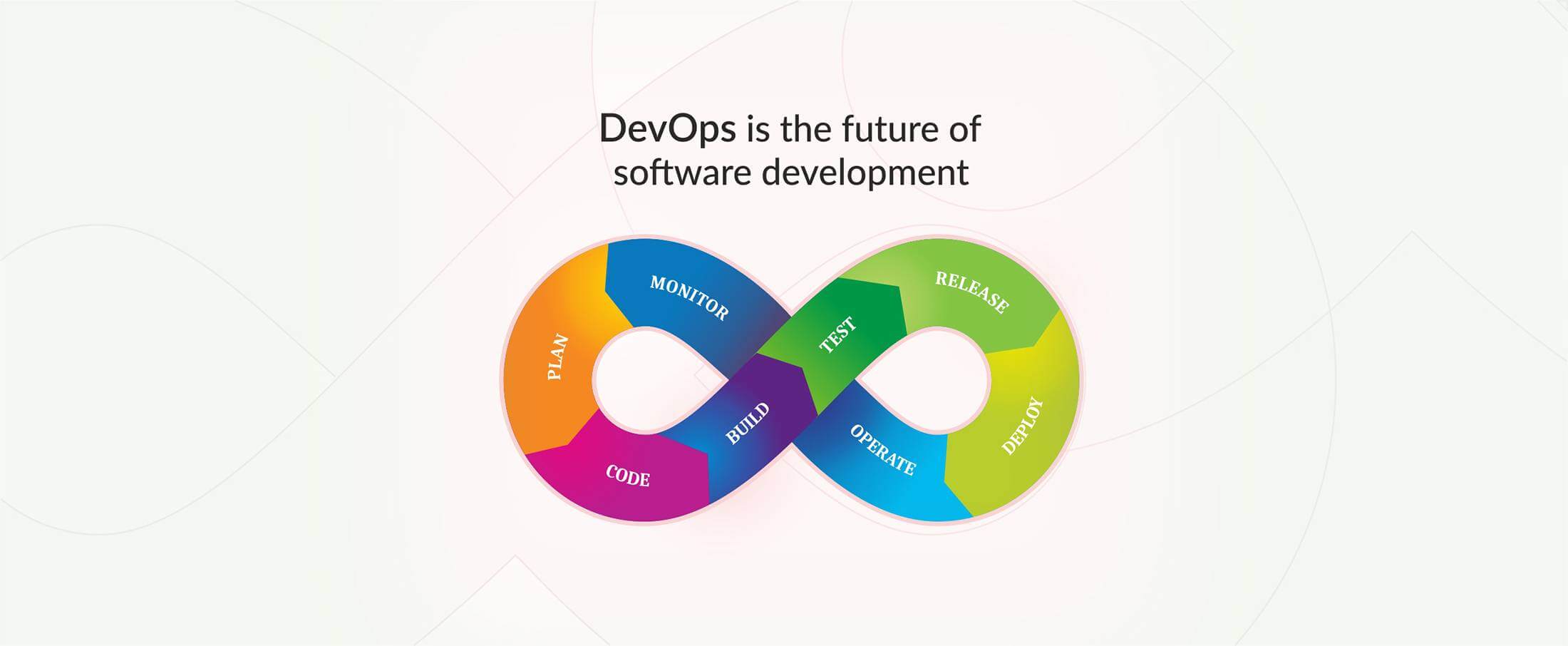
DevOps is the future of the software development

9 Proven Ways to Optimize Google Page Speed

3 Ways to Generate More Real Estate Sales Leads
Introduction to Elasticsearch
5 Real Estate Tasks to Automate

MLS Data: Roadblock for RealTech?

Part II – Writing Better, Faster and Easy to Maintain Mobil

Meteor Security Checks
3 Reasons Why You Need App Prototype For Your Idea

Apple Events September 2017

Part I – Writing Better, Faster and Easy to Maintain Mobile