Rapid Prototyping: How AI is Revolutionizing the Design Process in Just Days

Imagine being able to turn your design idea into a physical prototype in just 2-3 days. Thanks to AI-powered rapid prototyping, this is now possible.
What is Rapid Prototyping?
Rapid prototyping is an essential part of innovative design. It allows creators to test and improve their ideas using physical or digital models.
The Challenge with Traditional Methods
In the past, creating a single prototype would take 3-4 weeks of careful work, multiple iterations, and a lot of resources.
How AI is Changing the Game
Now, with the help of artificial intelligence, the entire prototyping process is getting a major boost. Here’s how:
- Instant Design Variations: AI can quickly generate multiple design options.
- Problem Prediction: AI algorithms can foresee potential problems before they happen.
- Task Automation: Complex modeling tasks can now be automated with AI.
- Real-time Material Optimization: AI can optimize material choices on-the-go.
The Benefits of AI-Powered Rapid Prototyping
The result? A significant reduction in prototype development time from weeks to just days. But it’s not just about being faster – this also opens up new opportunities for design innovation.
Example
For example, imagine a product designer who uses AI tools to create and test several prototypes at the same time. The system learns from each version, offering suggestions for improvements and spotting potential flaws before they become expensive errors.
This level of efficiency and intelligence is changing the way products are created. It makes rapid prototyping truly rapid for the first time.
The Role of AI in Accelerating Rapid Prototyping
AI technologies are transforming traditional prototyping methods through powerful tools and automated processes. Let’s explore the key technologies that are revolutionizing prototype creation:
1. Machine Learning Algorithms
- Pattern recognition capabilities identify design flaws early
- Automated optimization of design parameters
- Real-time adjustments based on performance data
- Predictive modeling for material behavior
- Creates multiple design iterations simultaneously
- Optimizes designs for specific constraints
- Reduces manual design time by 75%
- Explores innovative solutions beyond human conception
3. Virtual Reality Integration
- Immersive prototype testing environments
- Real-time design modifications
- Enhanced stakeholder collaboration
- Reduced physical prototype requirements
Traditional prototyping methods typically require 3-4 weeks for a single iteration. However, with AI-accelerated approaches, this timeline is cut down to just 2-3 days while still maintaining quality standards. The efficiency gains come from:
- Automated design optimization
- Reduced manual calculations
- Parallel processing capabilities
- Instant feedback loops
Real-World Impact: IDEO Case Study
IDEO’s implementation of AI-powered prototyping demonstrates the transformative potential of these technologies. Their system enables designers without technical backgrounds to prototype with large language models (LLMs). The results:
- 85% reduction in development time
- Increased design iterations
- Enhanced product quality
- Improved team collaboration
The system features intuitive interfaces for configuring AI conversational abilities, allowing quick building and testing of product interactions. This democratization of prototyping capabilities enables teams to:
- Test multiple concepts simultaneously
- Gather user feedback faster
- Implement changes instantly
- Maintain project confidentiality
AI’s role in rapid prototyping goes beyond just saving time – it also opens up new possibilities in design exploration and innovation. The technology’s ability to process large amounts of data and generate optimized solutions pushes the boundaries of traditional design limitations.
Enhancing Design Iteration and Exploration with AI
AI transforms the design iteration process by automating critical decisions and streamlining workflows. Let’s explore the key areas where AI enhances design exploration:
1. Smart Material Selection
AI algorithms analyze vast databases of material properties to suggest optimal materials for specific design requirements. You can input parameters like:
- Strength requirements
- Cost constraints
- Environmental conditions
- Manufacturing methods
- Sustainability goals
The AI system instantly provides ranked material recommendations, complete with performance predictions and potential alternatives. This capability reduces material selection time from days to minutes.
2. Streamlined Workflow Management
AI-powered project management tools create intelligent workflows that adapt to your team’s needs:
- Automated Task Distribution: AI assigns tasks based on team members’ expertise and availability
- Real-time Progress Tracking: Visual dashboards show project status and potential bottlenecks
- Resource Optimization: Smart scheduling ensures efficient use of design tools and testing equipment
- Collaborative Features: Integrated communication channels with automatic documentation
Teams using AI workflow management report up to 40% reduction in project coordination time.
3. Predictive Design Analytics
- AI accelerates design iterations through advanced predictive capabilities:
- Identifies potential design flaws before physical testing
- Suggests design improvements based on performance data
- Analyzes user feedback patterns to guide design decisions
- Creates virtual simulations for rapid testing
The system learns from each iteration, building a knowledge base that improves future design recommendations. This predictive approach helps you avoid common pitfalls and make data-driven decisions faster.
AI-powered design tools now enable teams to run multiple design iterations simultaneously, testing various scenarios and materials in virtual environments. This parallel processing capability transforms what used to be sequential design steps into concurrent activities, dramatically reducing development cycles.
Beyond these applications, the potential of AI in design is further expanded by real-world generative AI use cases from industry leaders. These examples illustrate how AI is not just a tool for efficiency, but a catalyst for innovation in the design process.
AI-Powered Prototyping Tools for Efficient Digital Modeling and Testing
AI-powered prototyping tools have transformed digital modeling by reducing prototype creation time from 3-4 weeks to just 2-3 days. These advanced tools use machine learning algorithms to automatically generate precise 3D models from simple design specifications.
Key AI Modeling Tools and Features:
- Automated mesh generation and topology optimization
- Real-time design parameter adjustments
- Instant visualization of design changes
- Built-in physics engines for structural analysis
- Cloud-based collaboration capabilities
Digital simulation is essential for validating prototypes before physical production. AI-driven simulation tools can:
- Predict material behavior under various conditions
- Test structural integrity
- Analyze aerodynamics
- Evaluate thermal performance
- Identify potential failure points
These simulations save significant resources by catching design flaws early in the development process. A virtual prototype can undergo thousands of test scenarios in minutes, compared to weeks of physical testing.
Data-Driven Design Optimization
AI systems continuously learn from:
- Previous design iterations
- User feedback data
- Performance metrics
- Market research insights
- Manufacturing constraints
This collected data helps refine future designs by:
- Identifying successful design patterns
- Suggesting optimal parameter combinations
- Predicting user preferences
- Automating routine design decisions
- Reducing production costs
Popular AI-powered prototyping platforms like Autodesk Fusion 360 and Siemens NX integrate these capabilities into user-friendly interfaces. These tools enable designers to create complex prototypes without extensive technical expertise.
The combination of AI-powered modeling, simulation, and optimization creates a seamless workflow that dramatically accelerates the prototyping process. Design teams can now explore multiple iterations simultaneously while maintaining high accuracy and quality standards.
Industry Applications: Leveraging AI in Prototyping Across Sectors
AI-powered rapid prototyping has transformed product development across multiple industries, with each sector discovering unique applications and benefits.
1. Automotive Industry Revolution
BMW’s innovation lab has cut vehicle prototype development time by 70% using AI-driven design tools. Their system analyzes thousands of design variations, predicts performance metrics, and generates optimized prototypes for testing – reducing the traditional 6-month process to just 6 weeks.
2. Healthcare Breakthroughs
- Medical device companies use AI prototyping to create patient-specific implants
- AI algorithms analyze patient data to generate custom prosthetic designs
- Virtual testing reduces the need for animal trials
- Surgical planning tools prototype procedures before entering the operating room
3. Consumer Electronics Innovation
Apple’s product development team leverages AI to prototype new device form factors. Their AI system:
- Generates multiple design variations based on user preferences
- Simulates durability and performance
- Predicts manufacturing feasibility
- Tests ergonomic factors virtually
4. Architectural Applications
Leading architecture firms have integrated AI prototyping to:
- Generate building designs that optimize energy efficiency
- Test structural integrity through virtual simulations
- Create realistic 3D visualizations for client approval
- Analyze traffic flow and space utilization
5. Real-World Success Stories
Samsung’s AI prototyping platform reduced their smartphone development cycle by 40%. The system automatically generates design variations, tests user interface layouts, and simulates device performance under different conditions.
GE Healthcare deployed AI-powered rapid prototyping to develop medical imaging equipment. Their process combines machine learning with digital twin technology to test equipment configurations virtually, cutting development time from years to months.
These industry applications demonstrate AI’s transformative impact on product development speed and efficiency. The technology continues to evolve, enabling companies to bring innovative products to market faster than ever before.
Challenges and Future Trends in AI-Powered Rapid Prototyping
The rapid evolution of AI-powered prototyping brings significant challenges organizations must navigate:
1. Data Dependency Issues
- Limited access to quality training data
- Inconsistent data formats across different systems
- Privacy concerns when handling sensitive design information
- High costs associated with data collection and storage
2. Ethical Considerations
- AI bias in design recommendations
- Intellectual property rights for AI-generated designs
- Job displacement concerns in traditional prototyping roles
- Transparency in AI decision-making processes
3. Skills Gap Challenges
- Need for specialized talent in AI and design
- Training requirements for existing workforce
- Integration of AI tools with current design practices
The future of AI-powered rapid prototyping points to transformative developments:
1. Emerging Trends
- Hyper-personalization: AI systems creating custom prototypes based on individual user data
- Real-time adaptation: Prototypes that evolve instantly with user feedback
- Advanced automation: Reduction in prototype development time from weeks to 2-3 days
- Cross-platform integration: Seamless connectivity between different design tools and platforms
2. Next-Generation Capabilities
- Self-learning AI systems that improve design accuracy
- Enhanced visualization tools for complex prototypes
- Automated quality assurance and testing
- Integration with augmented reality for immersive prototype testing
28 July 2025
Related Posts
EdTech Development: Creating Engaging Learning Platforms

Integrating Multiple Systems? How Custom Software Can Break Down

Staff Augmentation vs Project Outsourcing: Which Model Fits Your

Building an App? 5 Mistakes to Avoid in the Early Stages

DevOps in Custom Software: Accelerating Delivery and Quality —

UI/UX Best Practices for Custom Web Applications — What They Re
Mobile App Development Trends 2026: AI, IoT, and Beyond

Why Choosing the Right Tech Stack Matters

MVP Development: Focusing on Core Features for Success — and Ho

Inbox Under Threat: How Human Verification Can Protect Email From

How to Enhance User Engagement with These Mobile App UX Hacks

10 Signs Your Business Needs Custom Software (And Not Off-the-She

From Concept to Creation: Understanding Product Engineering Servi

Save Time and Money with Effective Prototyping in Software Projec

Securing Your Application: Best Practices from Day 1

Why Custom Software Is a Smart Investment for SMBs

Custom Software for Healthcare: Innovations That Meet Compliance

FinTech Software Development: Security and Compliance Best Practi

Understanding HIPAA Compliance in Healthcare App Development: A C

Breaking the Fix-It Loop – Why Patching Alone Slows Growth

Why ‘Technical Feasibility’ is Crucial Before Buildin

Can AI Replace Designers? The Real Impact on Creative Design Team

Redesigning Hiring for the Underserved – A Blueprint for Talent

Agile vs Waterfall: How to Decide the Best Fit for Your Project

Web App vs Mobile App: How to Choose the Right Platform for Your

Behavioral Traits – The Hidden Engine of Retention

Building Custom Software on a Budget: Expert Advice for Startups

UX as Emotional Infrastructure

Mock Interviews, Real Confidence: Preparing Beyond the Resume

What If Job Matching Measured Mindsets, Not Just Degrees?

Why Job Boards Fail in Developing Economies

Transforming Software: How AI is Making It More User-Friendly and

Leave Management System – Admin & HR Controls

When Code Bows to Culture

The Role of AI in Super High Paced Development: Transforming the

Who is Soham Parekh?

Leave Management System – Instant Leave Decisions

Leave Management System – Employee Leave Flow

AI-Based Error Log Analyzer: A Smarter Way to Handle Infrastructu

Why Pictures (and Sounds) Speak Louder Than Tables

Leave Management System – Mobile First

Leave Management System – Real Cost

Leave Management System
Keeping Workers Safe: How Computer Vision Revolutionizes Industri

The AI Whisperer: Unmasking Public Opinion with Sentiment Analysi

EHR Interoperability: Enhancing Care Coordination

EHR Security Best Practices: Safeguarding Patient Data

The Benefits of Implementing EHR Systems in Healthcare

Big Data Trends in Healthcare

Business Intelligence for Healthcare Industry

How Mobile Apps Are Transforming Healthcare
Practical Use Cases of RPA in the Healthcare Industry

Google Core Update January 2020

Health Information Exchange (HIE): A Primer

How Wearables are Helping to Monitor Patients
Best Practices for Successful EHR Data Integration

Importance of Sustainable Last-Mile Delivery Options in Building

Applications of 3D Printing in Healthcare
Application and Advantages of Artificial Intelligence and Machine

What is Technical SEO?
Healthcare Tech Space Review 2019

What is AWS Lambda? & AWS Lambda Use Case

Digital Marketing Strategies for Real Estate Agents

Web API and HL7 FHIR – The Future of Interoperability

Why FHIR is Better?

Real Estate Tech Space Review 2019

Improving Patient Care with Chronic Care Management
10 Healthcare Tech Trends to Follow in 2020

10 Real Estate Tech Trends to Follow in 2020

iBuyer: Disruptive Business Model or a Passing Fad?

Symptom Checker: Your personal mhealth app

Facebook for Real Estate Marketing
Use cases for Big Data in Real Estate

Can Real Estate be Uberized?
Using Predictive Analysis for Better Management of Patient Emerge

Challenges in Aggregating MLS Data

Home Navigation for the Visually Challenged

Uberization of Healthcare

Using mHealth for monitoring symptoms in children

Pinterest for Real Estate Marketing

Advancement of Voice Inputs over Text in Healthcare

Instagram for Real Estate Marketing
Chatbots in Healthcare
Why brokers are moving to custom solutions rather than using gene

Virtual Hospitals: Future of Healthcare

What Happens in Vegas, Stays in Vegas – Well, not if you ha

8 Healthcare Tech Trends to watch out for in 2019

6 Reasons Why Telemedicine Hasn’t Taken Off

5 Real Estate Tech Trends to watch out for in 2019

How MLS APIs Can Improve Your IDX Performance

How can Realtors generate quality leads using Social Media?

What is the difference between RETS and RESO Web API?
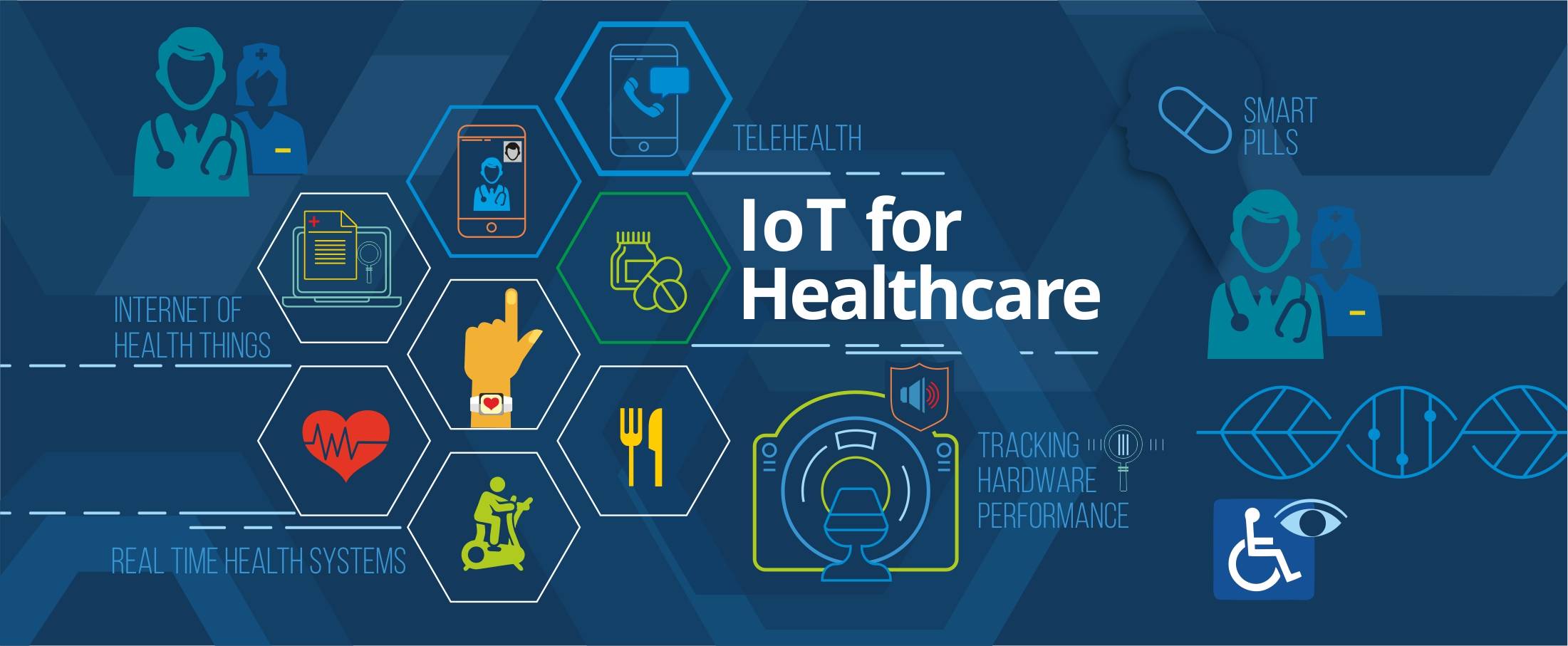
IoT for Healthcare

3D Home Tours – A must have in today’s world?

3D Printing in Real Estate

Pros & Cons of integrating RETS in your website

Blockchain: Opportunities for Healthcare

Pros & Cons of Integrating IDX in your Website

4 Reasons why you need to integrate RESO compliant MLS

Docker Selenium Grid for Parallel Test Execution

IDX vs RETS vs MLS vs RESO

How is AI Transforming Healthcare
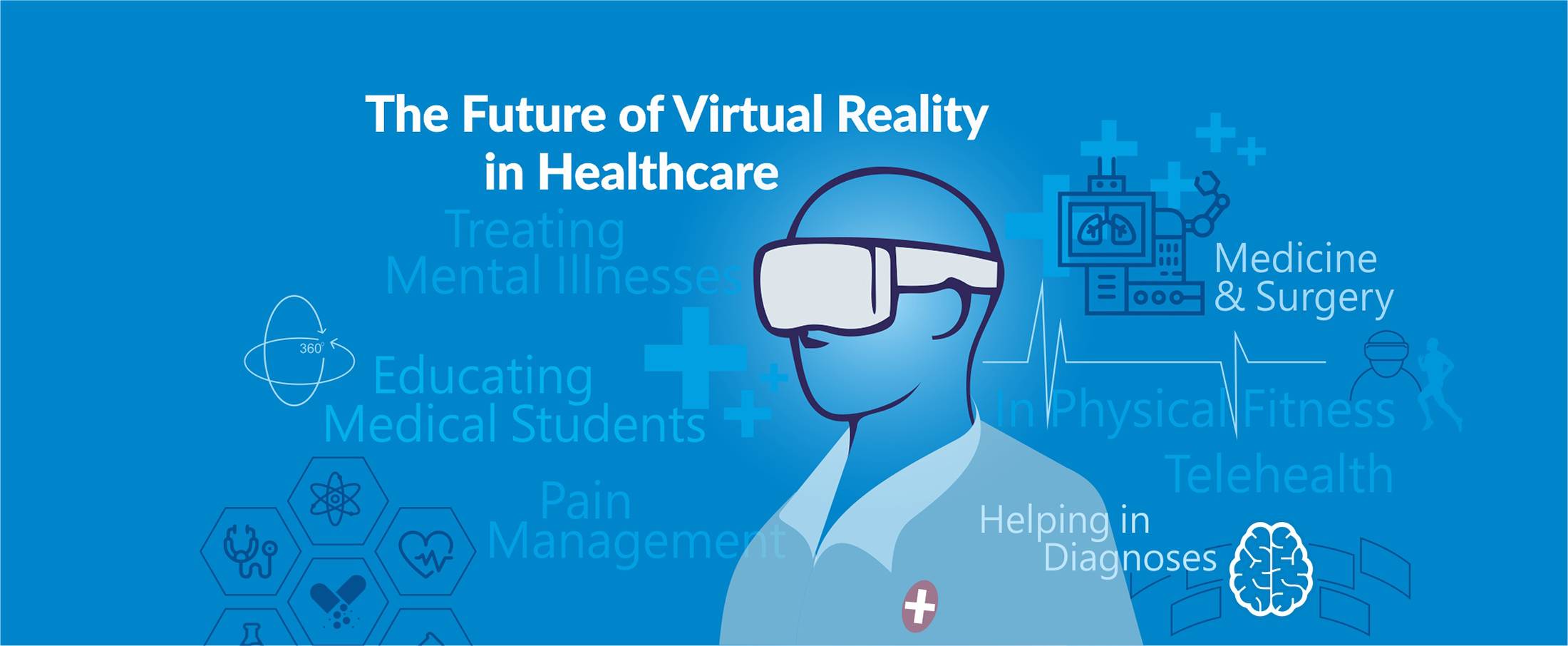
The Future of Virtual Reality in Healthcare

Smart Contracts in Real Estate using Blockchain

How To Choose The Right CRM For Your Business

Best UX Design Practices for Healthcare Applications
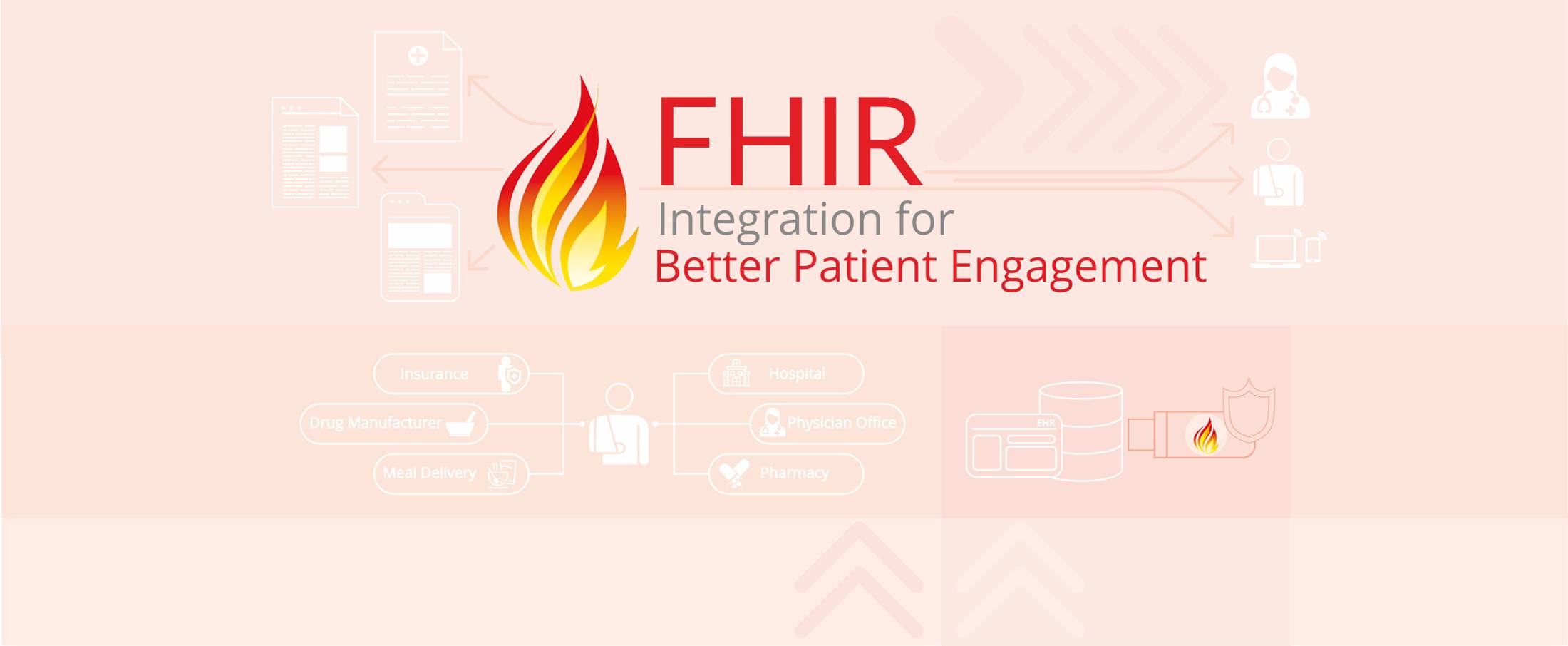
FHIR Integration for Better Patient Engagement

IoT for SMART Real Estate

AI to Automate Pre-Showing Process

Best Practices for Healthcare Data Governance

Will Virtual Reality in Real Estate Replace Property Showing?

A Secure Web is Here

Will Uber-ized Property Showing Gain Momentum?

Future of Cloud Computing in Healthcare

5 Real Estate Tech Predictions for 2018

Key Takeaways From Inman Connect NYC 2018 #ICNY
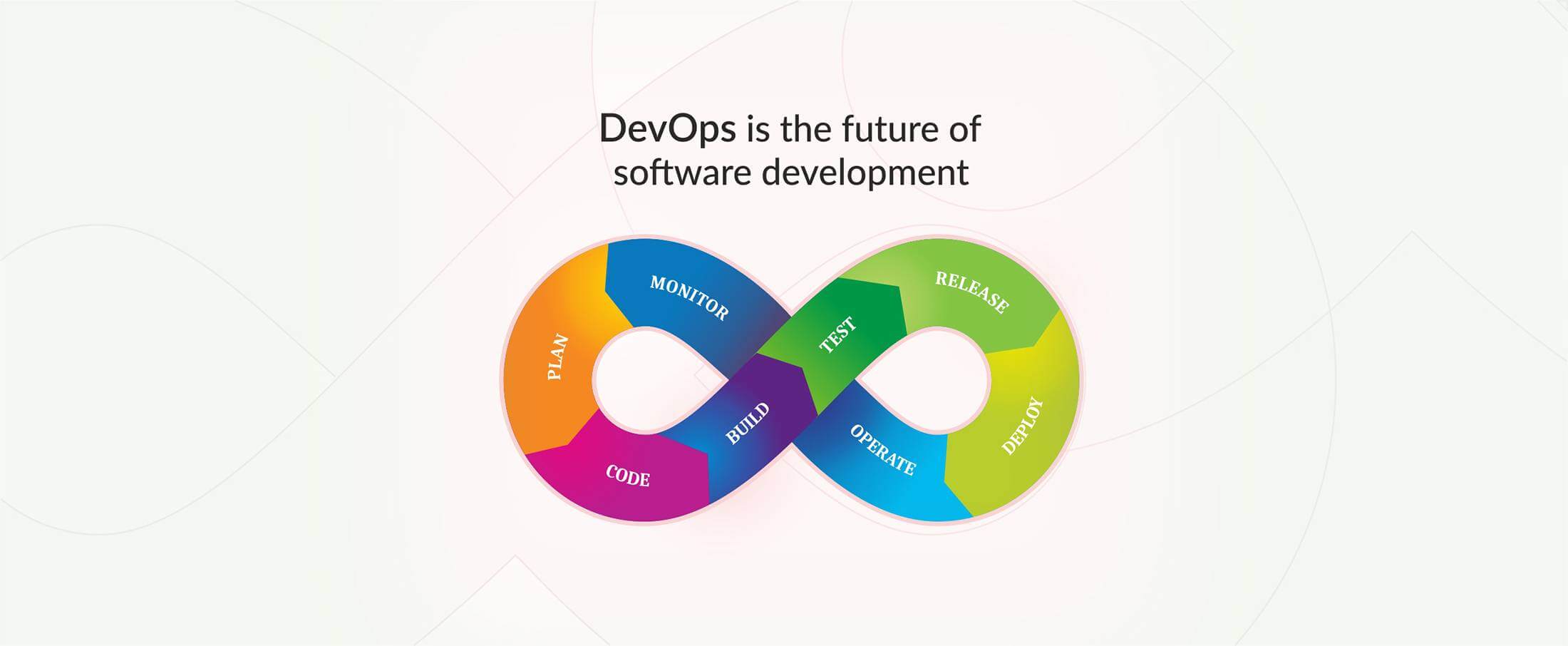
DevOps is the future of the software development

9 Proven Ways to Optimize Google Page Speed

3 Ways to Generate More Real Estate Sales Leads
Introduction to Elasticsearch
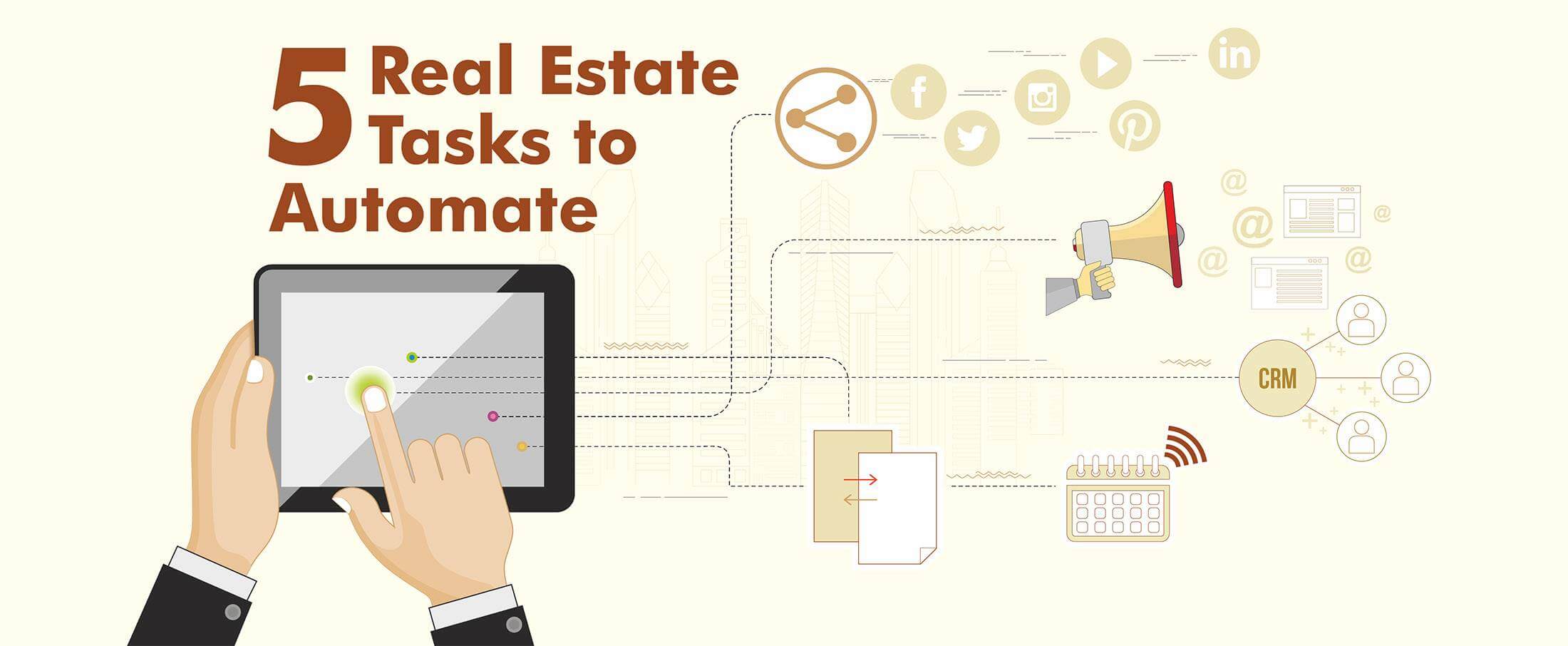
5 Real Estate Tasks to Automate

MLS Data: Roadblock for RealTech?

Part II – Writing Better, Faster and Easy to Maintain Mobil

Meteor Security Checks

3 Reasons Why You Need App Prototype For Your Idea

Apple Events September 2017

Part I – Writing Better, Faster and Easy to Maintain Mobile