Redesigning Hiring for the Underserved – A Blueprint for Talent Visibility

Talent Isn’t Missing. Signal Is.
In underserved regions and emerging economies, the common belief is that talent pipelines are weak. The truth is more nuanced:
There’s no shortage of capable people. There’s a shortage of visibility.
Most job seekers don’t lack drive or skill—they lack structured platforms that recognize, amplify, and translate their potential into meaningful opportunities.
According to the World Bank, underemployment, informal experience, and access asymmetry remain major barriers to fair hiring across developing countries.
Traditional platforms exacerbate this:
- Resume filters discard non-linear career paths
- Algorithmic matches ignore growth potential
- Standardized applications don’t capture communication style, adaptability, or learning velocity
The result? A global system that rewards polish over possibility.
Marketplaces Don’t Solve Visibility. Systems Do.
Platforms that simply list jobs and accept applications aren’t designed for the underserved. They favor candidates who already know how to play the game:
- Who have the “right” keywords
- Who were trained in institutional confidence
- Who are already visible to global recruiters
But underserved talent often has:
- Deep contextual intelligence
- Practical, adaptive experience
- Self-driven learning models
What they need isn’t exposure. They need translation layers that turn real potential into structured visibility.
Visibility isn’t about being loud. It’s about being legible.
A Visibility-First Hiring Ecosystem
In our fieldwork and modeling, we’ve identified six system shifts that platforms must make to serve the invisible talent pool:
| Component | Function |
|---|---|
| AI-assisted Profile Creation | Translates resumes and informal history into structured, evaluable data |
| Behavioral Mapping | Captures work style, motivation, emotional tone, and interaction style |
| Mock Interviews | Builds candidate presence, clarity, and pattern recognition |
| Skill-to-Growth Suggestion Engine | Recommends learning pathways based on missing job-fit signals |
| Employer Behavior Signatures | Encourages companies to define team personality, not just role needs |
| Dynamic Fit Scoring | Surfaces opportunities based on holistic readiness, not just experience |
These components don’t just level the playing field—they reshape it.
According to Harvard Business Review, companies that hire for potential outperform those that over-index on credentials.
And per LinkedIn’s Global Talent Trends, behavioral alignment is increasingly seen as the #1 predictor of long-term retention.
The Payoff: Equity + Retention
When platforms stop filtering out the quiet, the self-taught, and the non-linear, three things happen:
- Employers tap into high-retention, growth-driven talent
- Underserved talent starts making career moves, not survival moves
- Hiring becomes a tool for development, not just selection
This is how visibility becomes systemic—not performative.
What Platforms Must Become
Most job boards were built to serve volume. The future of hiring requires depth.
We believe platforms must evolve into readiness engines:
- Shaping self-awareness
- Amplifying behavioral clarity
- Coaching for confidence
- Matching beyond the resume
The next great hiring innovation isn’t another filter. It’s a lens.
From the Field
At Mobifilia, we design employment systems for talent that hasn’t yet been seen. Our work centers around visibility equity—using behavioral insight, mock simulation, and readiness modeling to help underserved talent not just apply, but rise.
- AI in recruitment
- behavioral hiring insights
- equitable hiring systems
- future of hiring platforms
- hiring for potential
- readiness-based hiring
- talent visibility
- underserved talent hiring
19 Aug 2025
Related Posts
EdTech Development: Creating Engaging Learning Platforms

Integrating Multiple Systems? How Custom Software Can Break Down

Staff Augmentation vs Project Outsourcing: Which Model Fits Your

Building an App? 5 Mistakes to Avoid in the Early Stages

DevOps in Custom Software: Accelerating Delivery and Quality —

UI/UX Best Practices for Custom Web Applications — What They Re
Mobile App Development Trends 2026: AI, IoT, and Beyond

Why Choosing the Right Tech Stack Matters

MVP Development: Focusing on Core Features for Success — and Ho

Inbox Under Threat: How Human Verification Can Protect Email From

How to Enhance User Engagement with These Mobile App UX Hacks

10 Signs Your Business Needs Custom Software (And Not Off-the-She

From Concept to Creation: Understanding Product Engineering Servi

Save Time and Money with Effective Prototyping in Software Projec

Securing Your Application: Best Practices from Day 1

Why Custom Software Is a Smart Investment for SMBs

Custom Software for Healthcare: Innovations That Meet Compliance

FinTech Software Development: Security and Compliance Best Practi

Understanding HIPAA Compliance in Healthcare App Development: A C

Breaking the Fix-It Loop – Why Patching Alone Slows Growth

Why ‘Technical Feasibility’ is Crucial Before Buildin

Can AI Replace Designers? The Real Impact on Creative Design Team

Agile vs Waterfall: How to Decide the Best Fit for Your Project

Web App vs Mobile App: How to Choose the Right Platform for Your

Behavioral Traits – The Hidden Engine of Retention

Building Custom Software on a Budget: Expert Advice for Startups

UX as Emotional Infrastructure

Mock Interviews, Real Confidence: Preparing Beyond the Resume

Rapid Prototyping: How AI is Revolutionizing the Design Process i

What If Job Matching Measured Mindsets, Not Just Degrees?

Why Job Boards Fail in Developing Economies

Transforming Software: How AI is Making It More User-Friendly and

Leave Management System – Admin & HR Controls

When Code Bows to Culture

The Role of AI in Super High Paced Development: Transforming the

Who is Soham Parekh?

Leave Management System – Instant Leave Decisions

Leave Management System – Employee Leave Flow

AI-Based Error Log Analyzer: A Smarter Way to Handle Infrastructu

Why Pictures (and Sounds) Speak Louder Than Tables

Leave Management System – Mobile First

Leave Management System – Real Cost
Leave Management System

Keeping Workers Safe: How Computer Vision Revolutionizes Industri
The AI Whisperer: Unmasking Public Opinion with Sentiment Analysi

EHR Interoperability: Enhancing Care Coordination

EHR Security Best Practices: Safeguarding Patient Data

The Benefits of Implementing EHR Systems in Healthcare
Big Data Trends in Healthcare
Business Intelligence for Healthcare Industry
How Mobile Apps Are Transforming Healthcare
Practical Use Cases of RPA in the Healthcare Industry
Google Core Update January 2020
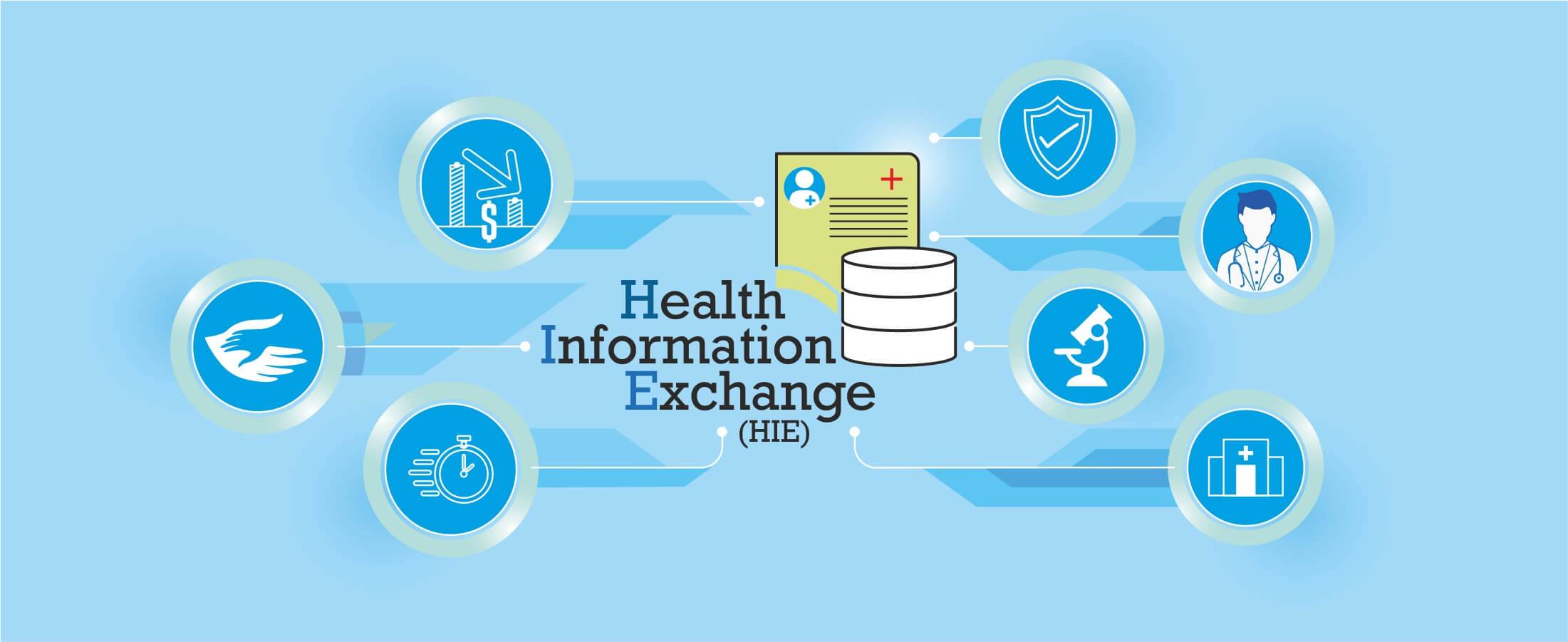
Health Information Exchange (HIE): A Primer
How Wearables are Helping to Monitor Patients
Best Practices for Successful EHR Data Integration

Importance of Sustainable Last-Mile Delivery Options in Building
Applications of 3D Printing in Healthcare

Application and Advantages of Artificial Intelligence and Machine
What is Technical SEO?
Healthcare Tech Space Review 2019
What is AWS Lambda? & AWS Lambda Use Case
Digital Marketing Strategies for Real Estate Agents
Web API and HL7 FHIR – The Future of Interoperability
Why FHIR is Better?
Real Estate Tech Space Review 2019
Improving Patient Care with Chronic Care Management
10 Healthcare Tech Trends to Follow in 2020
10 Real Estate Tech Trends to Follow in 2020
iBuyer: Disruptive Business Model or a Passing Fad?
Symptom Checker: Your personal mhealth app
Facebook for Real Estate Marketing
Use cases for Big Data in Real Estate
Can Real Estate be Uberized?
Using Predictive Analysis for Better Management of Patient Emerge
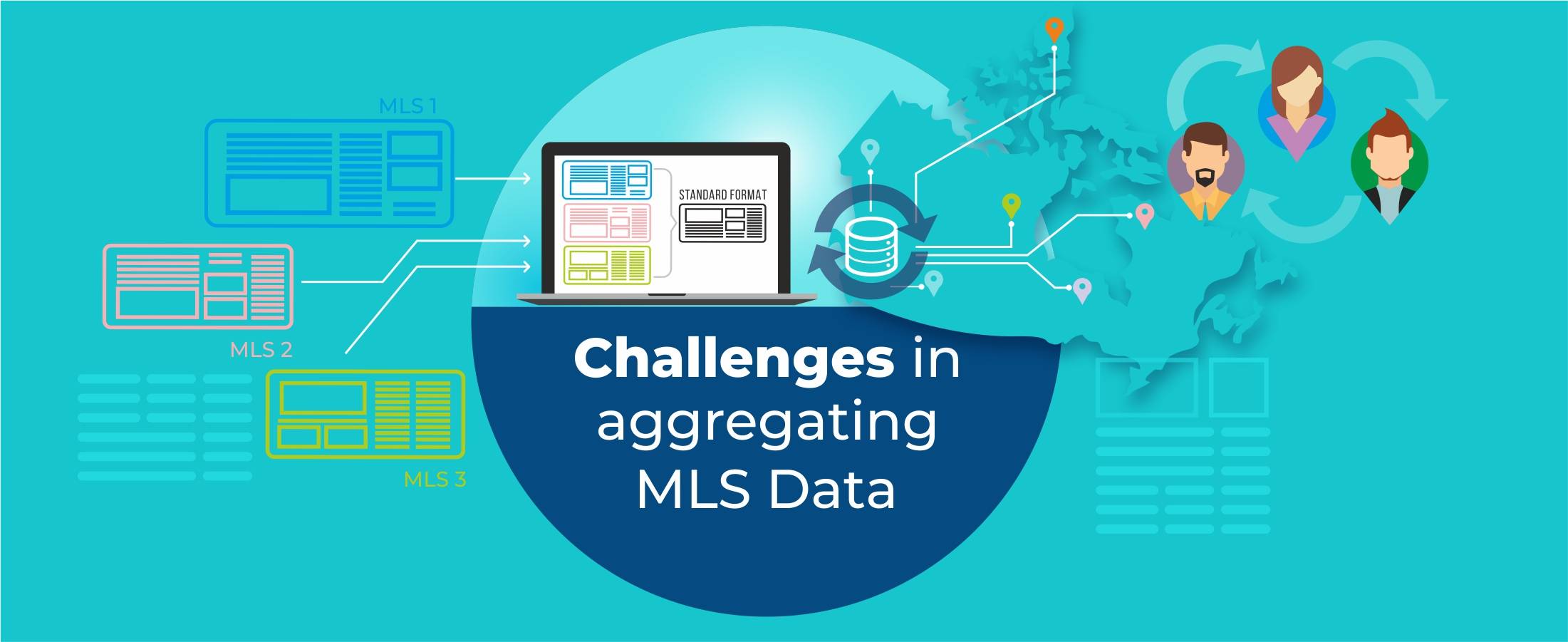
Challenges in Aggregating MLS Data
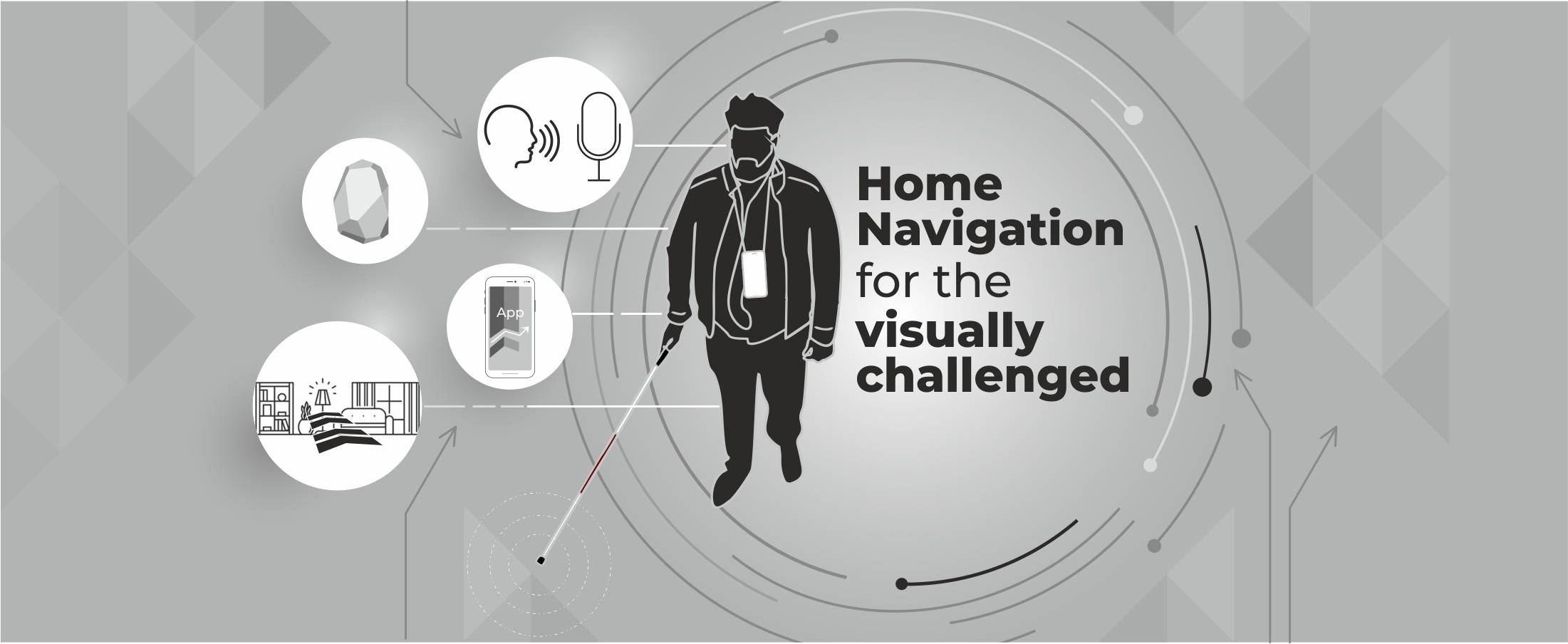
Home Navigation for the Visually Challenged

Uberization of Healthcare
Using mHealth for monitoring symptoms in children
Pinterest for Real Estate Marketing

Advancement of Voice Inputs over Text in Healthcare

Instagram for Real Estate Marketing
Chatbots in Healthcare
Why brokers are moving to custom solutions rather than using gene
Virtual Hospitals: Future of Healthcare

What Happens in Vegas, Stays in Vegas – Well, not if you ha
8 Healthcare Tech Trends to watch out for in 2019

6 Reasons Why Telemedicine Hasn’t Taken Off

5 Real Estate Tech Trends to watch out for in 2019
How MLS APIs Can Improve Your IDX Performance
How can Realtors generate quality leads using Social Media?
What is the difference between RETS and RESO Web API?
IoT for Healthcare

3D Home Tours – A must have in today’s world?

3D Printing in Real Estate

Pros & Cons of integrating RETS in your website

Blockchain: Opportunities for Healthcare

Pros & Cons of Integrating IDX in your Website

4 Reasons why you need to integrate RESO compliant MLS

Docker Selenium Grid for Parallel Test Execution
IDX vs RETS vs MLS vs RESO
How is AI Transforming Healthcare
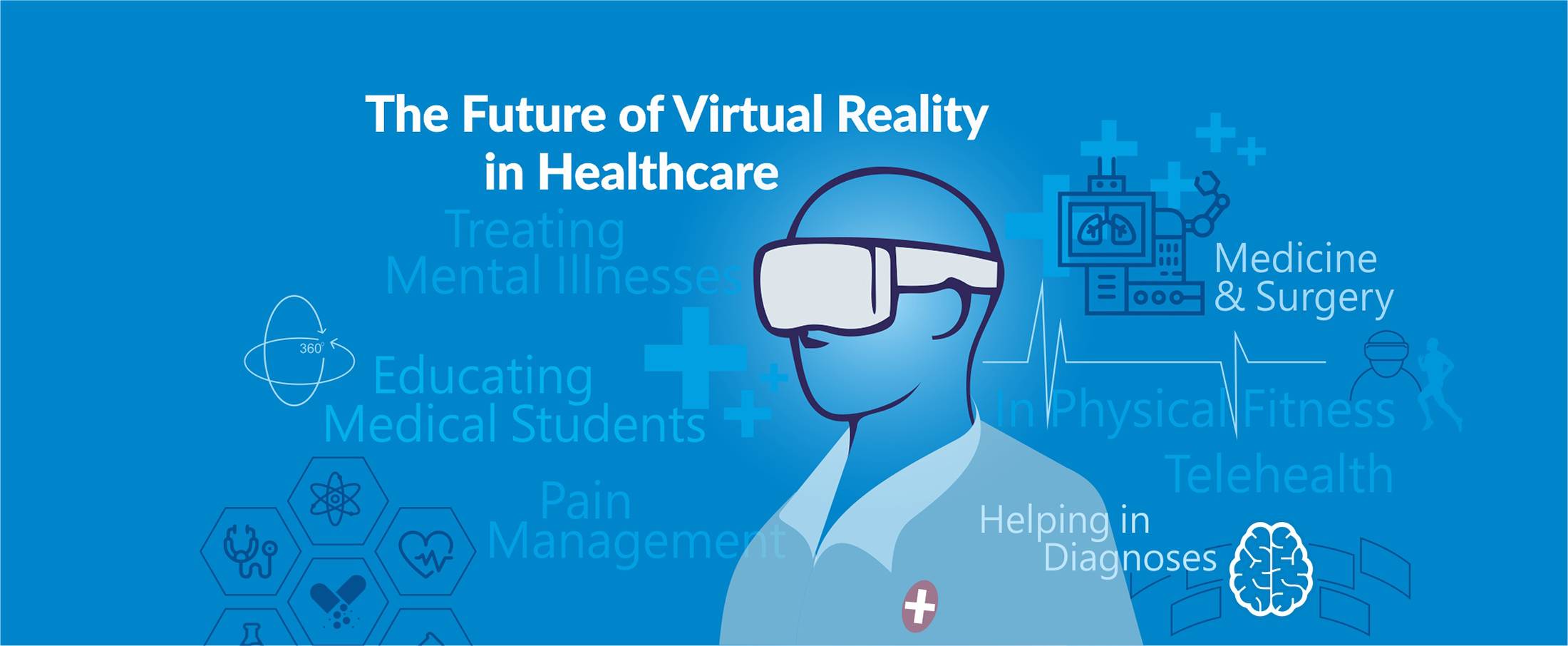
The Future of Virtual Reality in Healthcare

Smart Contracts in Real Estate using Blockchain

How To Choose The Right CRM For Your Business

Best UX Design Practices for Healthcare Applications
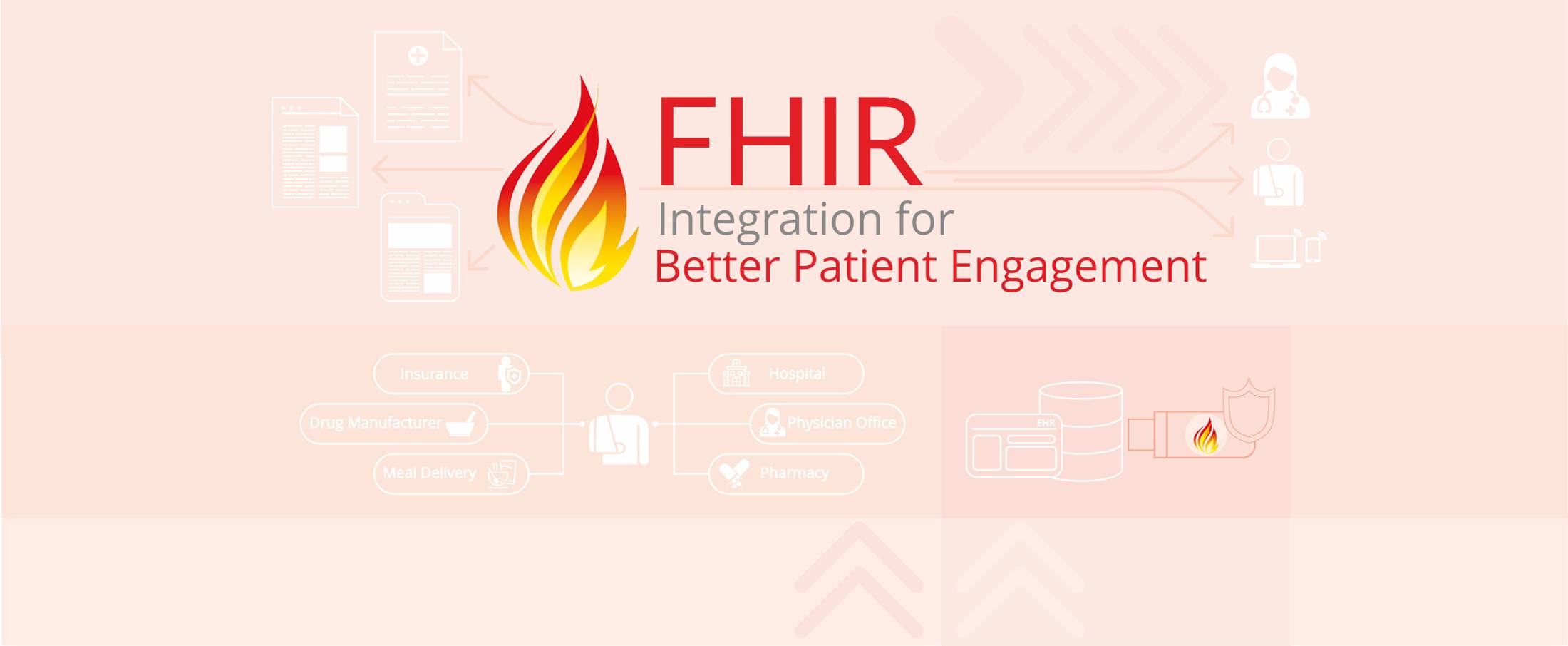
FHIR Integration for Better Patient Engagement
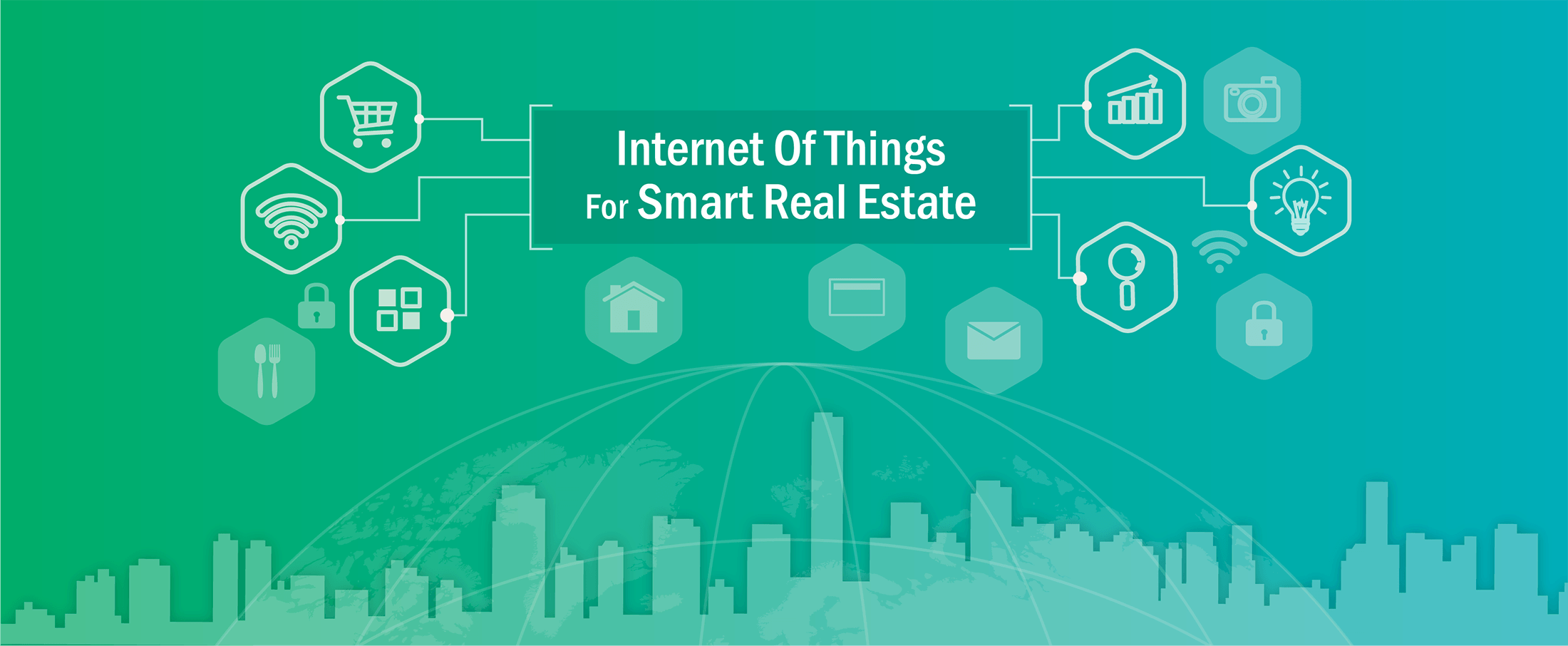
IoT for SMART Real Estate
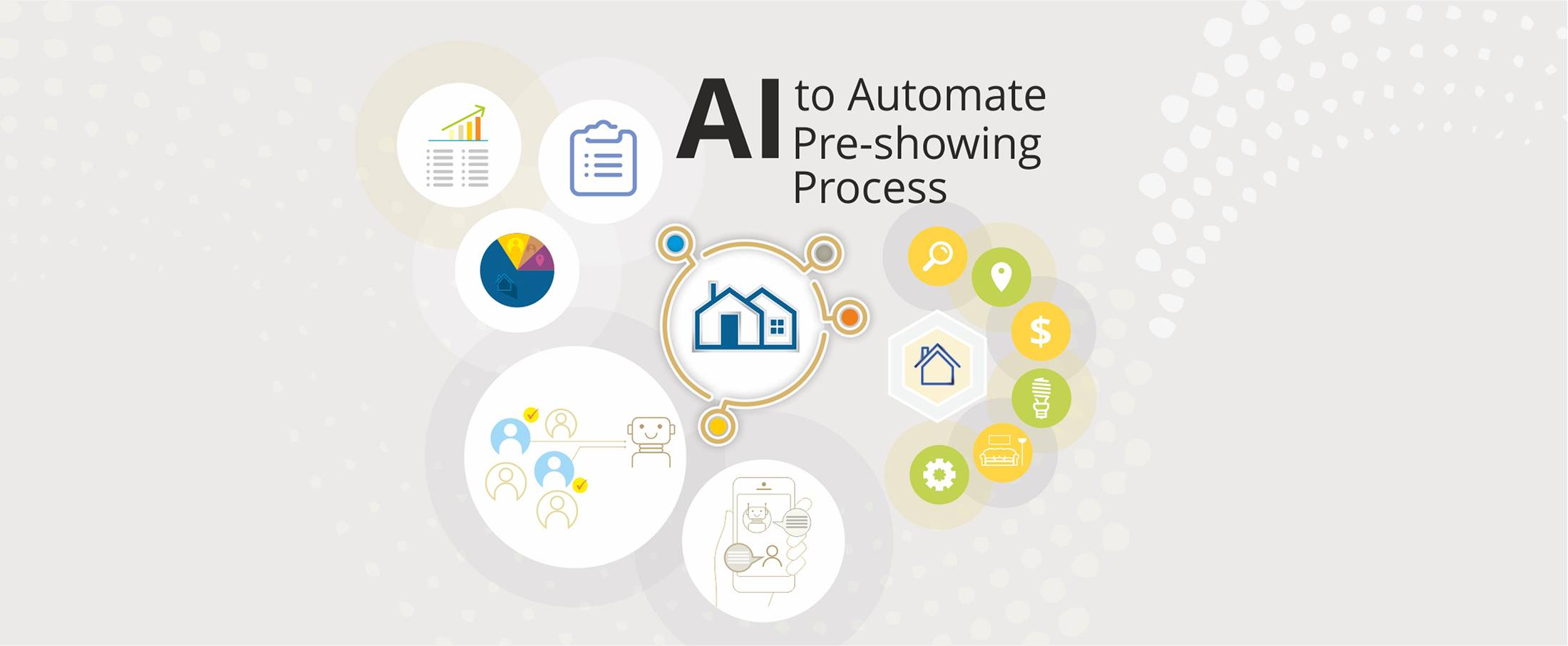
AI to Automate Pre-Showing Process
Best Practices for Healthcare Data Governance

Will Virtual Reality in Real Estate Replace Property Showing?

A Secure Web is Here

Will Uber-ized Property Showing Gain Momentum?
Future of Cloud Computing in Healthcare
5 Real Estate Tech Predictions for 2018
Key Takeaways From Inman Connect NYC 2018 #ICNY
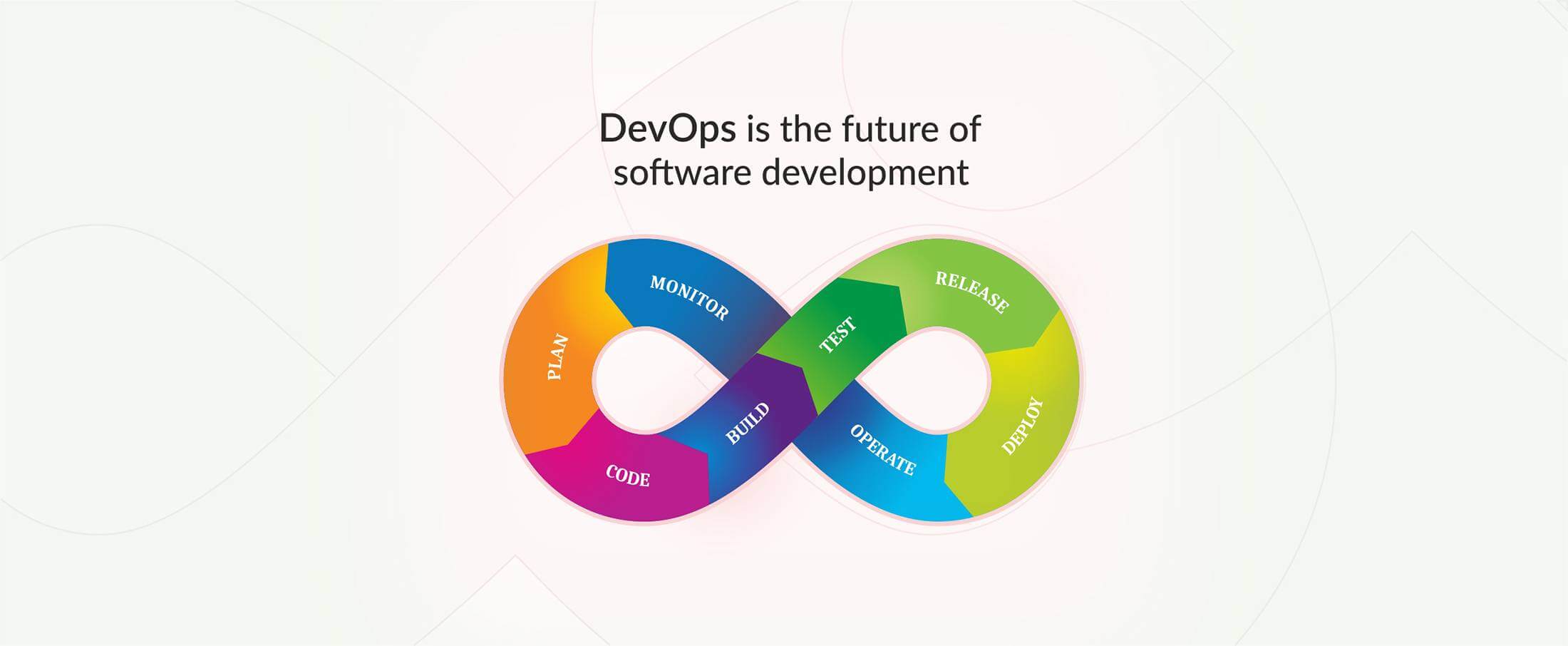
DevOps is the future of the software development

9 Proven Ways to Optimize Google Page Speed

3 Ways to Generate More Real Estate Sales Leads
Introduction to Elasticsearch
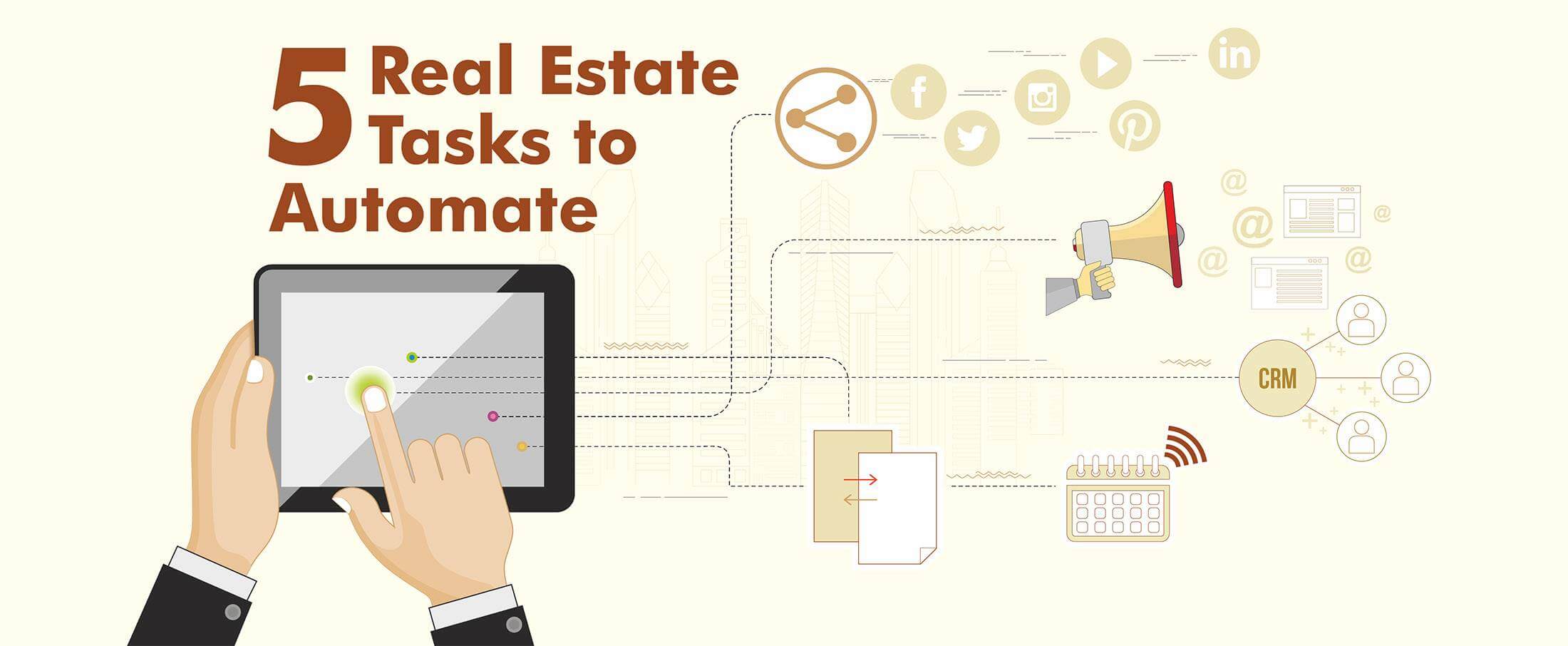
5 Real Estate Tasks to Automate
MLS Data: Roadblock for RealTech?

Part II – Writing Better, Faster and Easy to Maintain Mobil
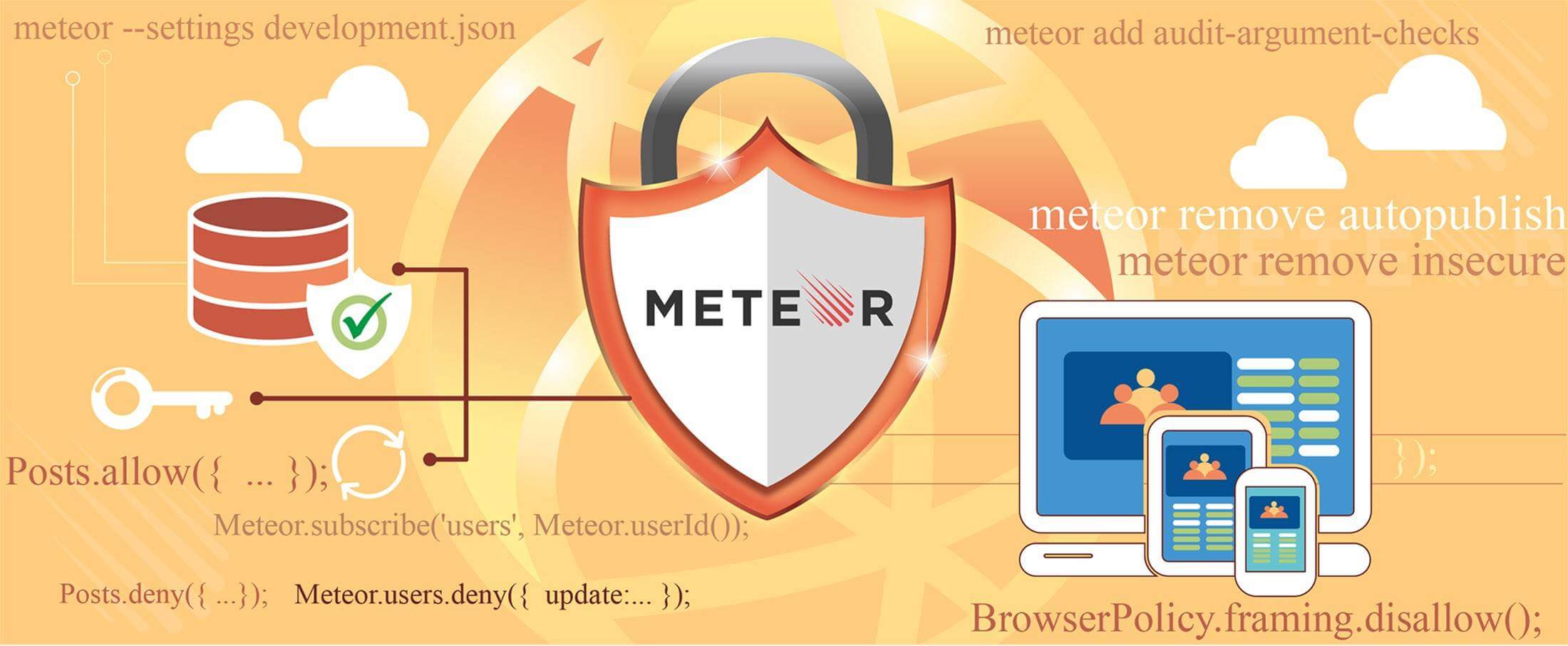
Meteor Security Checks

3 Reasons Why You Need App Prototype For Your Idea

Apple Events September 2017

Part I – Writing Better, Faster and Easy to Maintain Mobile