Understanding HIPAA Compliance in Healthcare App Development: A Comprehensive Guide

The Health Insurance Portability and Accountability Act (HIPAA) is the foundation of patient data privacy protection in the United States healthcare system. It was enacted in 1996 and sets strict rules for how healthcare organizations handle, store, and transmit sensitive patient information, ensuring confidentiality and security in all healthcare activities.
Healthcare app development has grown rapidly, with digital health solutions changing the way patients receive care, manage chronic conditions, and interact with providers. These applications, such as telemedicine platforms and fitness trackers that monitor vital signs, collect large amounts of Protected Health Information (PHI) that need to be protected.
Understanding HIPAA compliance in healthcare app development is crucial when creating applications that deal with patient data. Whether you’re building a simple appointment scheduling app or a complex electronic health record system, HIPAA compliance is not optional—it’s necessary. Failure to comply can lead to severe financial penalties ranging from thousands to millions of dollars for each violation, as well as damage to your reputation and potential legal consequences that could bankrupt your business.
Understanding HIPAA: A Brief Overview
The Health Insurance Portability and Accountability Act (HIPAA) was enacted in 1996 in response to concerns about healthcare data security and patient privacy rights. Congress created this legislation to address two main issues:
- Ensuring that individuals could maintain their healthcare coverage when switching jobs
- Establishing national standards for protecting sensitive medical information in an increasingly digital healthcare environment
What Does HIPAA Aim to Protect?
HIPAA’s primary goal is to protect Protected Health Information (PHI), which refers to any health information that can be used to identify an individual and is held or transmitted by covered entities. Covered entities include healthcare providers, health plans, and healthcare clearinghouses.
PHI includes various types of information such as:
- Medical records and treatment histories
- Laboratory test results and diagnostic reports
- Prescription information and medication lists
- Health insurance claims and billing data
- Mental health records and therapy notes
- Genetic information and family medical histories
The Importance of Different Formats of PHI
It’s important to note that PHI can exist in different formats: electronic, paper, or oral communications. When PHI is stored or transmitted electronically, it is referred to as electronic Protected Health Information (ePHI), which requires additional technical safeguards.
HIPAA recognizes that protecting PHI goes beyond just securing obvious medical data. It also includes seemingly harmless information such as appointment dates, patient photographs, and even voice recordings if they can identify specific individuals and relate to their health status or healthcare services.
Key HIPAA Rules Impacting Healthcare App Development
Five critical HIPAA rules directly shape how you must approach healthcare app development, each establishing specific requirements that protect patient data throughout your application’s lifecycle.
Privacy Rule
The Privacy Rule establishes comprehensive standards for PHI usage and disclosure. This rule defines what constitutes protected health information and grants patients fundamental rights over their medical data. You must implement mechanisms that allow patients to access, amend, and request restrictions on their health information. The rule also mandates the minimum necessary standard, requiring you to limit PHI access and disclosure to only what’s essential for the intended purpose.
Security Rule
The Security Rule focuses specifically on electronic PHI (ePHI) protection through three safeguard categories. You must implement technical safeguards like encryption and access controls, physical safeguards to protect computing systems and equipment, and administrative safeguards including workforce training and assigned security responsibilities.
Enforcement Rule
The Enforcement Rule outlines investigation procedures and penalty structures for HIPAA violations. Penalties range from $137 to $2,067,813 per violation, depending on the level of negligence and harm caused.
Breach Notification Rule
The Breach Notification Rule requires you to notify affected individuals, the Department of Health and Human Services, and potentially the media within specific timeframes when unsecured PHI is compromised.
Omnibus Rule
The Omnibus Rule strengthened previous regulations by expanding business associate liability, increasing penalty amounts, and enhancing patient rights regarding their health information access and control.
Implementing Technical Safeguards in Healthcare Apps
Technical safeguards are a crucial part of Understanding HIPAA Compliance in Healthcare App Development. They require developers to implement strong security measures that protect electronic PHI (Protected Health Information) throughout its entire lifecycle.
Encryption Standards: Your First Line of Defense
End-to-end encryption is the foundation of HIPAA-compliant healthcare applications. You must use AES-256 encryption to secure data when it is stored, ensuring that even if unauthorized individuals gain access to your servers, they will not be able to read the stored patient information. Additionally, for data being transmitted, you should employ TLS/SSL protocols to establish secure communication channels between your app and backend systems, preventing any interception during transmission.
Multi-Factor Authentication: Strengthening Access Controls
Multi-factor authentication adds important layers of security beyond just relying on usernames and passwords. You should implement authentication methods that require users to provide three types of information: something they know (passwords), something they have (mobile devices), and something they are (biometric data). By adopting this approach, you can significantly reduce the risk of unauthorized access to sensitive patient data.
Audit Trails: Monitoring Every Interaction
Comprehensive audit trails allow you to keep track of every user interaction with PHI within your application. It is essential for you to log user activities such as login attempts, data access, modifications, and deletions. These logs should include timestamps, user identifiers, and specific actions performed, creating an unchangeable record for compliance monitoring and breach investigation purposes.
Secure Coding Practices: Building Resilient Applications
To safeguard your healthcare app from common vulnerabilities that could potentially expose patient data, it is important to follow secure coding practices. This includes implementing input validation techniques to prevent SQL injection attacks, using parameterized queries instead of dynamic queries whenever possible, and regularly updating any dependencies or libraries used in your application to patch known security flaws.
Ensuring Physical and Administrative Safeguards for App Security
Physical safeguards are the foundation of your healthcare app’s security. You need to implement strong measures to protect the hardware and physical locations where ePHI is stored and processed.
Physical Security Measures
Your backend servers need complete protection against unauthorized access:
- Data center security with biometric access controls, surveillance systems, and 24/7 monitoring
- Workstation controls that automatically lock screens after periods of inactivity
- Device encryption for all mobile devices and laptops accessing your healthcare app
- Secure disposal protocols for hardware containing ePHI, including proper data wiping procedures
Administrative Safeguards Implementation
Administrative safeguards add the human element to your security framework through policies and procedures. You must appoint a security officer responsible for developing and implementing your organization’s security policies.
Staff training programs should cover:
- Privacy policies and how they apply in daily operations
- Incident response procedures for potential security breaches
- Access management protocols for granting and revoking user permissions
- Regular security awareness updates to address emerging threats
Your workforce clearance procedures must include background checks for employees handling ePHI, while assigned security responsibilities ensure each team member understands their role in maintaining compliance.
Navigating Risk Management, Compliance Processes, and Third-Party Relationships in Healthcare App Development
Risk assessments are essential for ensuring HIPAA compliance in healthcare app development. These evaluations should be conducted methodically, pinpointing potential weaknesses in how your application manages data, controls user access, and operates its infrastructure. The assessment must scrutinize every point where protected health information (PHI) passes through your system, including user sign-up, data storage, and transmission methods.
Penetration testing and vulnerability scans are proactive measures to validate the security of your healthcare application. These testing techniques mimic real-world cyberattacks, exposing vulnerabilities that standard security checks may overlook. To uphold a strong security stance, you should conduct penetration tests every three months and vulnerability scans each month. Specialized security firms with expertise in healthcare applications can identify specific threats targeting PHI data.
When creating healthcare apps, it’s vital to understand the difference between covered entities and business associates. Covered entities are organizations like hospitals, clinics, and insurance companies that directly manage patient data. As an app developer dealing with PHI on behalf of these entities, you usually act as a business associate, necessitating formal business associate agreements (BAAs).
Any third-party vendors involved in your healthcare app ecosystem must also adhere to HIPAA regulations. This includes cloud service providers, analytics platforms, and payment processors handling PHI who require signed BAAs prior to integration. It’s your responsibility to ensure these vendors implement suitable safeguards, making vendor selection and continuous monitoring crucial aspects of your compliance strategy.
Best Practices for Developing a HIPAA-Compliant Healthcare App
1. Separate Sensitive Data: Secure healthcare app architecture is built on the principle of keeping sensitive data separate. You should create distinct databases, storage systems, and processing environments for Protected Health Information (PHI) and general application data. This strategy reduces the risk of exposure by preventing non-sensitive features like user preferences or app analytics from accidentally accessing patient health records.
2. Implement Strict Access Controls: Access controls must be implemented meticulously following the principle of least privilege. Your app should authenticate users using multi-factor authentication and authorize access strictly based on their assigned roles. For instance, a nurse practitioner should only be able to access patient records that fall within their scope of care, while administrative staff may only have access to billing information.
3. Manage User Roles Effectively: Clear hierarchical structures are essential for managing user roles within your application. You need to define specific permissions for:
- Healthcare providers (full access to patient records)
- Administrative staff (limited access to billing and scheduling data)
- Patients (exclusive access to personal health information)
- IT support (viewing system logs without visibility into PHI)
4. Be Transparent with Users: Building trust and ensuring compliance requires transparency with users. Your app must clearly communicate its data collection practices, storage methods, and sharing policies through easily understandable privacy notices that patients can readily comprehend and consent to.
Cost Considerations in Building HIPAA-Compliant Healthcare Apps
Building HIPAA-compliant healthcare applications requires significantly higher development costs compared to standard mobile or web applications. You can expect to invest between $45,000 to $300,000 for initial development, depending on your app’s complexity and feature set.
The additional expenses come from implementing mandatory security measures:
- Encryption infrastructure – AES-256 encryption for data at rest and TLS/SSL protocols for data transmission
- Multi-factor authentication systems – Advanced user verification mechanisms beyond basic login credentials
- Audit logging capabilities – Comprehensive tracking systems that monitor all user activities and data access
- Security testing – Regular penetration testing and vulnerability assessments conducted by specialized cybersecurity firms
- HIPAA-compliant hosting – Premium cloud services like AWS Healthcare API or Microsoft Azure for Health
Maintenance expenses represent another substantial financial commitment. You’ll face ongoing costs for security updates, compliance monitoring, staff training, and documentation management. These recurring expenses typically range from 15-25% of your initial development investment annually, ensuring your application maintains its compliance status throughout its operational lifecycle.
Consequences of Non-Compliance with HIPAA in App Development
Penalties for non-compliance with HIPAA regulations can devastate healthcare app businesses through substantial financial and operational consequences. The Department of Health and Human Services (HHS) Office for Civil Rights enforces a tiered penalty structure based on violation severity and culpability levels.
Financial penalties range dramatically depending on the nature and scope of violations:
- Tier 1: $1,000 – $50,000 per violation for unknowing breaches
- Tier 2: $10,000 – $250,000 per violation for reasonable cause violations
- Tier 3: $50,000 – $1,000,000 per violation for willful neglect that’s corrected
- Tier 4: $1,500,000 per violation for uncorrected willful neglect
Legal risks extend beyond monetary fines. Healthcare app developers face potential criminal charges for knowingly obtaining or disclosing PHI without authorization, carrying penalties up to $250,000 and 10 years imprisonment. Civil lawsuits from affected patients can result in additional damages, while regulatory investigations often trigger costly compliance audits and mandatory corrective action plans that strain development resources for months or years.
Conclusion
Understanding HIPAA Compliance in Healthcare App Development requires a commitment that extends far beyond initial implementation. You must embrace continuous risk management as an ongoing responsibility, not a one-time checkbox exercise. Regular assessments, updated security protocols, and evolving safeguards ensure your healthcare app remains compliant as threats and regulations change.
Proactive adherence to HIPAA standards protects patient privacy while enabling innovation in healthcare technology. You can build groundbreaking solutions that improve patient outcomes without compromising sensitive health information. The investment in robust compliance frameworks pays dividends through user trust, regulatory approval, and sustainable business growth.
Your dedication to protecting patient data creates a foundation for meaningful healthcare innovation that serves both patients and providers effectively.
- healthcare app development security
- HIPAA compliance best practices
- HIPAA compliance healthcare apps
- HIPAA rules for app developers
- HIPAA-compliant mobile apps
- PHI protection in digital health
- secure healthcare software development
16 Sept 2025
Related Posts
EdTech Development: Creating Engaging Learning Platforms

Integrating Multiple Systems? How Custom Software Can Break Down

Staff Augmentation vs Project Outsourcing: Which Model Fits Your

Building an App? 5 Mistakes to Avoid in the Early Stages

DevOps in Custom Software: Accelerating Delivery and Quality —

UI/UX Best Practices for Custom Web Applications — What They Re
Mobile App Development Trends 2026: AI, IoT, and Beyond

Why Choosing the Right Tech Stack Matters

MVP Development: Focusing on Core Features for Success — and Ho

Inbox Under Threat: How Human Verification Can Protect Email From

How to Enhance User Engagement with These Mobile App UX Hacks

10 Signs Your Business Needs Custom Software (And Not Off-the-She

From Concept to Creation: Understanding Product Engineering Servi

Save Time and Money with Effective Prototyping in Software Projec

Securing Your Application: Best Practices from Day 1

Why Custom Software Is a Smart Investment for SMBs

Custom Software for Healthcare: Innovations That Meet Compliance

FinTech Software Development: Security and Compliance Best Practi

Breaking the Fix-It Loop – Why Patching Alone Slows Growth

Why ‘Technical Feasibility’ is Crucial Before Buildin

Can AI Replace Designers? The Real Impact on Creative Design Team

Redesigning Hiring for the Underserved – A Blueprint for Talent

Agile vs Waterfall: How to Decide the Best Fit for Your Project

Web App vs Mobile App: How to Choose the Right Platform for Your

Behavioral Traits – The Hidden Engine of Retention

Building Custom Software on a Budget: Expert Advice for Startups

UX as Emotional Infrastructure

Mock Interviews, Real Confidence: Preparing Beyond the Resume

Rapid Prototyping: How AI is Revolutionizing the Design Process i

What If Job Matching Measured Mindsets, Not Just Degrees?

Why Job Boards Fail in Developing Economies

Transforming Software: How AI is Making It More User-Friendly and

Leave Management System – Admin & HR Controls

When Code Bows to Culture

The Role of AI in Super High Paced Development: Transforming the

Who is Soham Parekh?

Leave Management System – Instant Leave Decisions

Leave Management System – Employee Leave Flow

AI-Based Error Log Analyzer: A Smarter Way to Handle Infrastructu

Why Pictures (and Sounds) Speak Louder Than Tables

Leave Management System – Mobile First

Leave Management System – Real Cost
Leave Management System

Keeping Workers Safe: How Computer Vision Revolutionizes Industri
The AI Whisperer: Unmasking Public Opinion with Sentiment Analysi
EHR Interoperability: Enhancing Care Coordination
EHR Security Best Practices: Safeguarding Patient Data

The Benefits of Implementing EHR Systems in Healthcare
Big Data Trends in Healthcare
Business Intelligence for Healthcare Industry
How Mobile Apps Are Transforming Healthcare
Practical Use Cases of RPA in the Healthcare Industry
Google Core Update January 2020
Health Information Exchange (HIE): A Primer
How Wearables are Helping to Monitor Patients
Best Practices for Successful EHR Data Integration
Importance of Sustainable Last-Mile Delivery Options in Building
Applications of 3D Printing in Healthcare

Application and Advantages of Artificial Intelligence and Machine
What is Technical SEO?

Healthcare Tech Space Review 2019
What is AWS Lambda? & AWS Lambda Use Case
Digital Marketing Strategies for Real Estate Agents
Web API and HL7 FHIR – The Future of Interoperability
Why FHIR is Better?
Real Estate Tech Space Review 2019
Improving Patient Care with Chronic Care Management
10 Healthcare Tech Trends to Follow in 2020
10 Real Estate Tech Trends to Follow in 2020
iBuyer: Disruptive Business Model or a Passing Fad?
Symptom Checker: Your personal mhealth app
Facebook for Real Estate Marketing
Use cases for Big Data in Real Estate
Can Real Estate be Uberized?
Using Predictive Analysis for Better Management of Patient Emerge
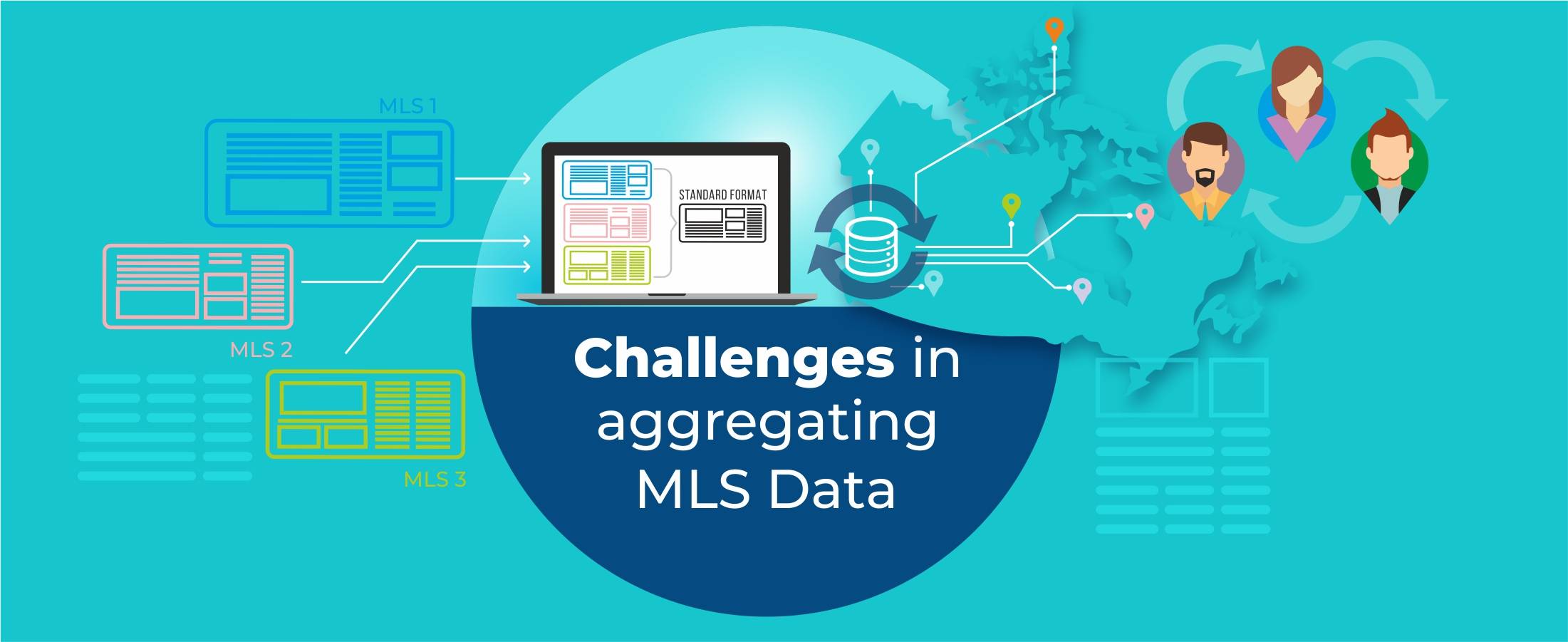
Challenges in Aggregating MLS Data
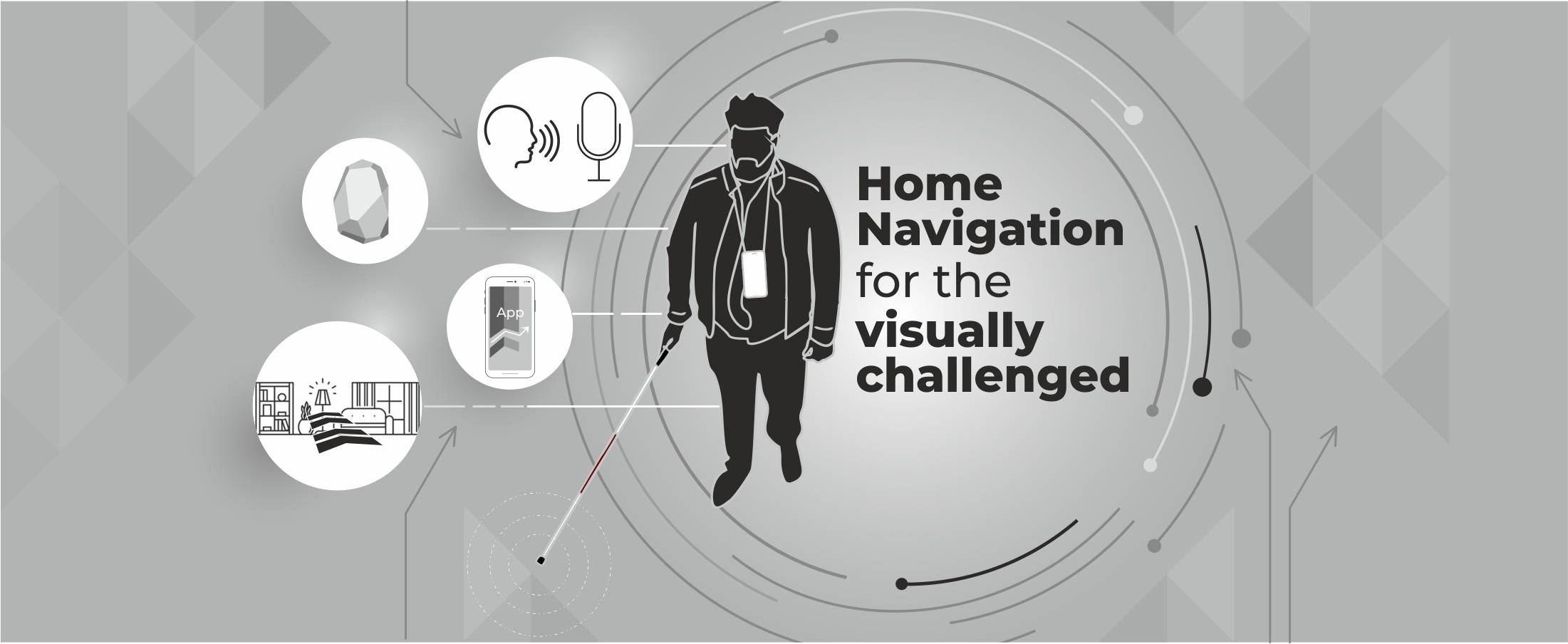
Home Navigation for the Visually Challenged

Uberization of Healthcare
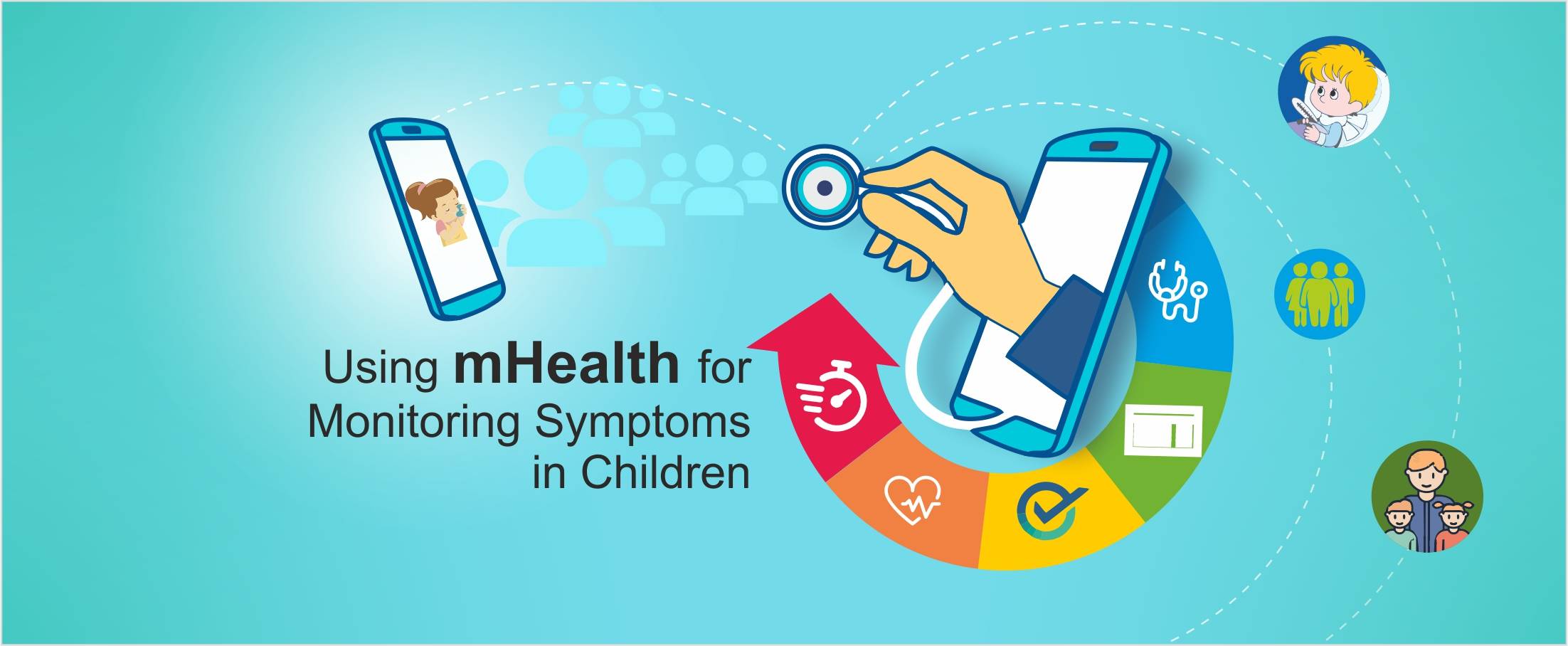
Using mHealth for monitoring symptoms in children
Pinterest for Real Estate Marketing

Advancement of Voice Inputs over Text in Healthcare

Instagram for Real Estate Marketing
Chatbots in Healthcare
Why brokers are moving to custom solutions rather than using gene
Virtual Hospitals: Future of Healthcare

What Happens in Vegas, Stays in Vegas – Well, not if you ha
8 Healthcare Tech Trends to watch out for in 2019

6 Reasons Why Telemedicine Hasn’t Taken Off

5 Real Estate Tech Trends to watch out for in 2019
How MLS APIs Can Improve Your IDX Performance
How can Realtors generate quality leads using Social Media?

What is the difference between RETS and RESO Web API?
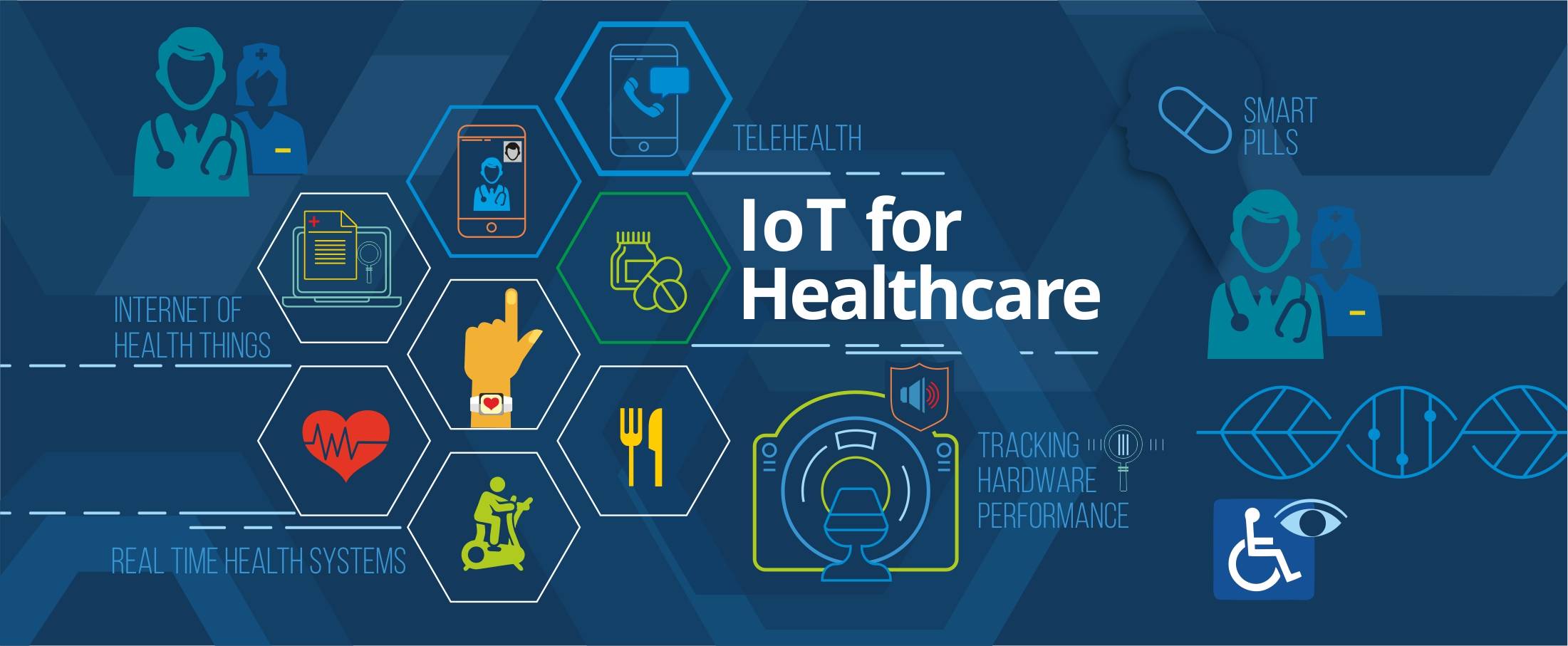
IoT for Healthcare

3D Home Tours – A must have in today’s world?

3D Printing in Real Estate

Pros & Cons of integrating RETS in your website

Blockchain: Opportunities for Healthcare

Pros & Cons of Integrating IDX in your Website
4 Reasons why you need to integrate RESO compliant MLS

Docker Selenium Grid for Parallel Test Execution
IDX vs RETS vs MLS vs RESO
How is AI Transforming Healthcare
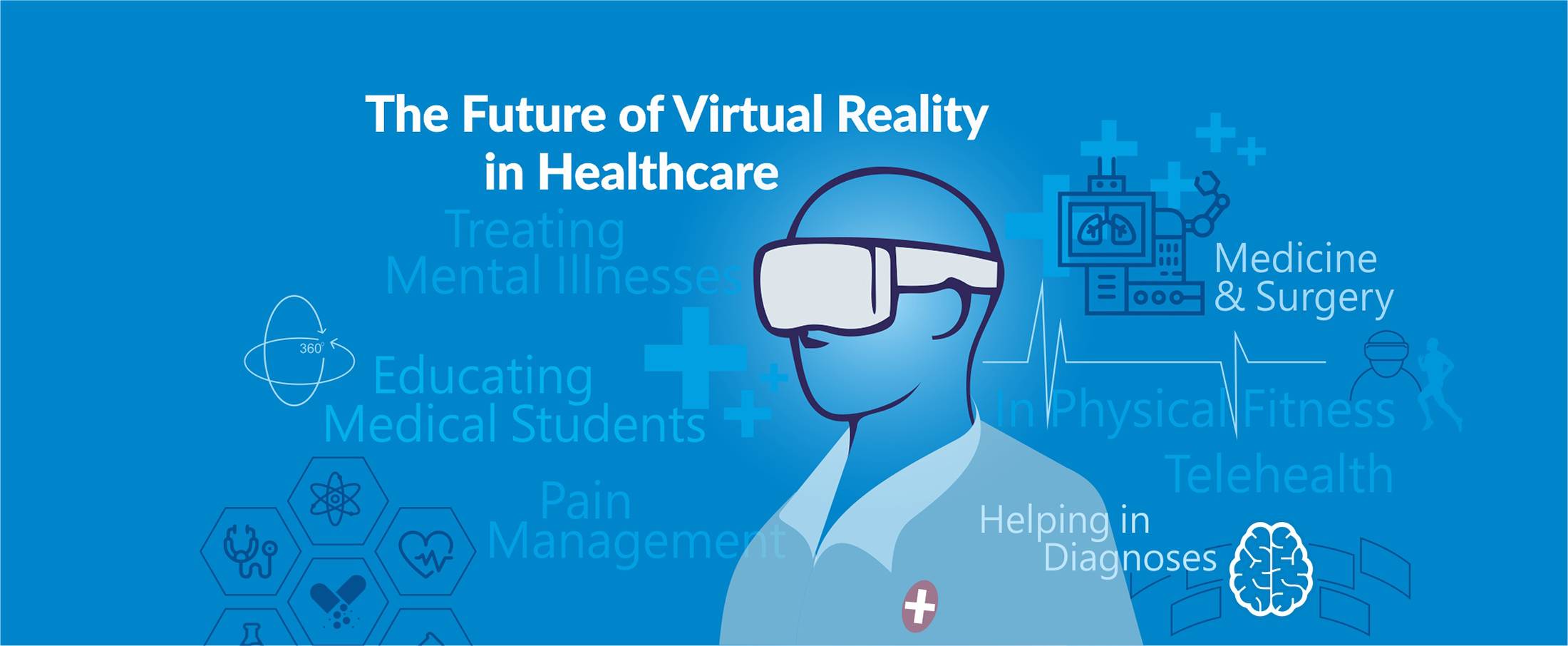
The Future of Virtual Reality in Healthcare

Smart Contracts in Real Estate using Blockchain

How To Choose The Right CRM For Your Business
Best UX Design Practices for Healthcare Applications
FHIR Integration for Better Patient Engagement
IoT for SMART Real Estate
AI to Automate Pre-Showing Process
Best Practices for Healthcare Data Governance

Will Virtual Reality in Real Estate Replace Property Showing?
A Secure Web is Here

Will Uber-ized Property Showing Gain Momentum?
Future of Cloud Computing in Healthcare
5 Real Estate Tech Predictions for 2018

Key Takeaways From Inman Connect NYC 2018 #ICNY
DevOps is the future of the software development

9 Proven Ways to Optimize Google Page Speed

3 Ways to Generate More Real Estate Sales Leads
Introduction to Elasticsearch
5 Real Estate Tasks to Automate
MLS Data: Roadblock for RealTech?
Part II – Writing Better, Faster and Easy to Maintain Mobil
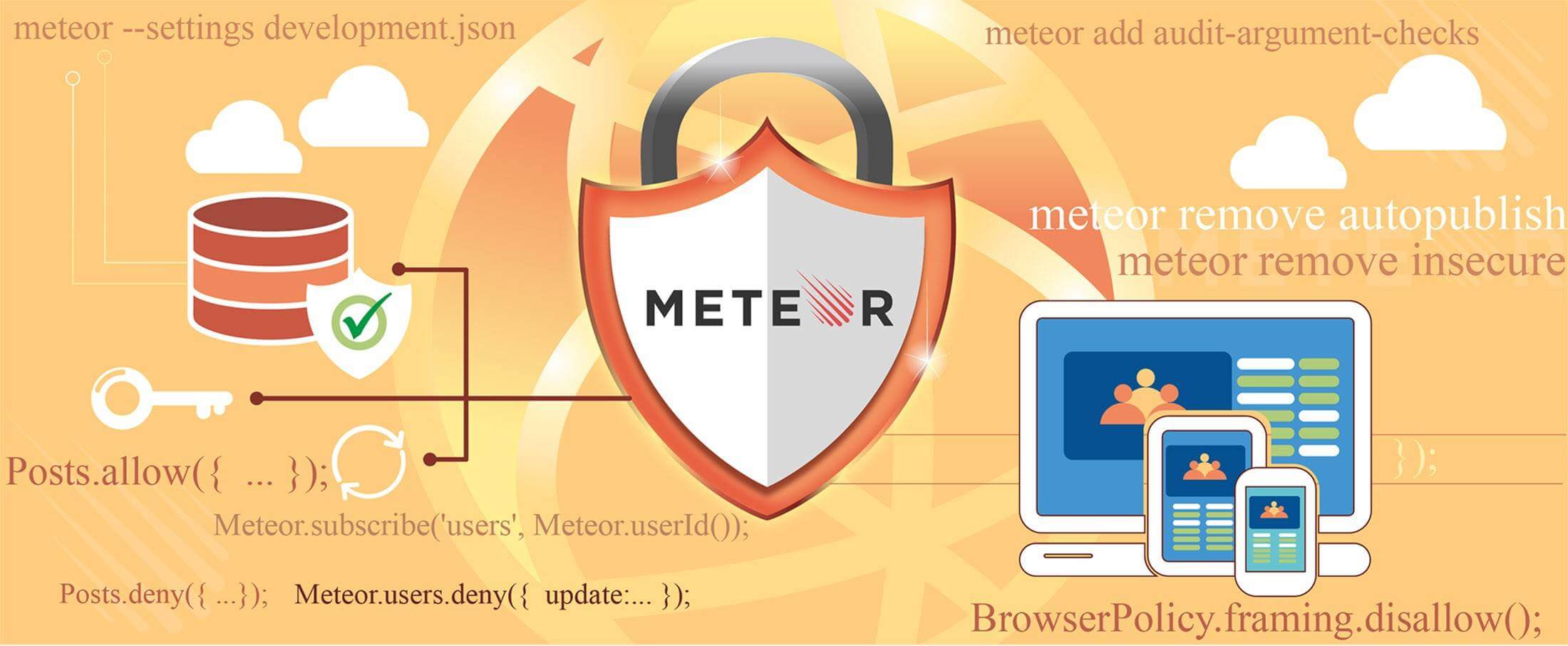
Meteor Security Checks

3 Reasons Why You Need App Prototype For Your Idea

Apple Events September 2017

Part I – Writing Better, Faster and Easy to Maintain Mobile