Why Choosing the Right Tech Stack Matters

Before you write a single line of code, the choices you make about your “tech stack” — that is, the combination of frontend, backend, database, hosting, and infrastructure tools you’ll build with — have an oversized impact on the success, performance, scalability, cost, and maintainability of your web application.
A tech stack isn’t just about what’s popular or trendy. It determines:
- Whether your app can scale smoothly when users grow or data loads increase. Monterail
- How fast you can build and launch (time-to-market), which matters especially for startups and MVPs. peerbits.com
- How maintainable and extensible your app will be over time — making it simpler to add features, fix bugs, or adapt to changing requirements. Medium
- How secure, stable, and reliable the final product will be — especially important if you handle sensitive user data or need compliance. Sencha.com
In short: the “stack” lays the foundation — and a weak foundation can limit what you build, how long it lasts, and how well it performs.
That’s where a thoughtful approach — backed by experience — pays off. And that’s exactly where Mobifilia comes into the picture.
Who Is Mobifilia — And What They Bring to the Table
Mobifilia is a custom software development company that helps businesses transform their ideas into real web and mobile applications. mobifilia.com
Their strengths include:
- Expertise across frontend, backend, database, UI/UX, cloud, QA, and business-intelligence — meaning they can help design the entire web application stack end to end. mobifilia.com
- Experience delivering custom solutions across various industries, including medical, real estate, finance, etc. Inven
- A structured, transparent development process: from requirements gathering to prototyping, architecture design, development, deployment and maintenance. mobifilia.com
- Willingness to build scalable, maintainable, and secure applications rather than just quick fixes — which is vital when you plan long-term growth. mobifilia.com
In effect: partnering with Mobifilia gives you access to experienced developers and consultants who know how to pick a stack that fits your needs — not just what’s trendy.
What “Right Tech Stack” Means — Key Factors Mobifilia Considers (and You Should Too)
When Mobifilia helps a client choose a tech stack for a web application, they (and you) should consider several interlocking factors. Based on industry best practices, these include:
1. Nature & Requirements of the Project
- What kind of application are you building? Is it a simple content site, a data-heavy dashboard, a real-time collaborative tool, an e-commerce platform, or something else? Different needs call for different stacks. peerbits.com
- What features will you need now — and what might you need later? Planning from day one helps avoid painful rewrites later. Full Scale
2. Scalability & Performance
- As users, data volume or traffic grows, your stack should handle load without degrading performance. That means choosing technologies and architecture capable of horizontal or vertical scaling, efficient databases, and possibly microservices or modular design. Sencha.com
- Performance characteristics — response time, concurrency handling, data access speed — must be matched to expected use. Full Scale
3. Maintainability, Extensibility & Long-term Viability
- Codebase should remain maintainable over time: readable, modular, with clean separation of concerns (frontend vs backend vs database vs infrastructure) so future modifications are manageable. Monterail
- Choose tools and technologies that are well-supported, documented, and have active communities — this ensures long-term viability, easier hiring, and less risk of obsolescence. Full Scale
4. Speed to Market & Cost Efficiency
- If you need to release quickly (MVP, proof-of-concept, initial launch), a stack that enables rapid development — with reusable components, rich libraries, and fast iteration — makes sense. peerbits.com
- Consider both upfront development cost and long-term maintenance costs (infrastructure, updates, scaling). Full Scale
5. Security & Compliance
- Especially if your application handles sensitive or regulated data (finance, health, personal info), your stack must support secure coding practices, solid authentication/authorization, data protection, and compliance standards. Sencha.com
6. Team Expertise, Talent Availability & Risk
- If your team (or your vendor) already knows certain languages/frameworks, using them can reduce learning curve and speed up development. Jumping to a brand-new/unfamiliar stack might slow things or introduce risk. LinkedIn
- Also consider long-term availability of developers: popular and widely used technologies tend to have larger talent pools. Full Scale
How Mobifilia Helps You Choose — Their Approach
Here’s how working with Mobifilia can help you make a tech-stack decision that’s smart, tailored, and future-proof:
Deep Requirements Analysis & Custom Fit
Mobifilia doesn’t assume a “one-size-fits-all” stack. They begin by understanding your business — what you need now, and what you plan for the future (scale, features, user growth, integrations). Because their technical expertise spans frontend, backend, DB, cloud, BI, QA and more, they can propose a stack that matches functional and nonfunctional requirements. mobifilia.com
That means: whether you want a minimalist MVP, a full-blown enterprise-grade web app, or a mobile-first PWA — they help pick a tech stack that fits the mission.
Balanced Trade-Offs: Speed, Cost, Scalability & Maintainability
Mobifilia can help you weigh the trade-offs: maybe you want a quick MVP to test market demand — they might recommend a lean stack for rapid development. If long-term reliability matters more, they might go for a robust, scalable architecture instead. Their multi-disciplinary background helps you strike the right balance.
End-to-End Thinking: Not Just Code — Infrastructure, Cloud, BI & Maintenance
Because Mobifilia’s expertise includes cloud computing, backend, QA, business intelligence, etc., they can build the application and its supporting infrastructure: hosting, deployment, monitoring, data storage, performance tuning and security. mobifilia.com
That holistic view ensures that your app isn’t just built quickly — it’s built to last.
Flexibility & Future-Proofing
Mobifilia understands tech evolves. They design with modularity, maintainability, and extensibility in mind — so that as your business grows or needs shift, your stack can adapt. They build custom applications precisely so you’re not constrained by “off-the-shelf” limitations. mobifilia.com
What a Typical Stack-Selection Process With Mobifilia Might Look Like
Here’s a rough roadmap (conceptual) — what you might expect if you engage Mobifilia to help choose / build your web app stack:
- Discovery & Requirements Gathering — Define the business goals, user base, expected traffic, feature set, compliance/security needs, timelines.
- Stack Considerations & Trade-Off Analysis — Based on requirements, evaluate possible technologies and architectures: frontend frameworks, backend, database, hosting/cloud, infrastructure (monolith vs microservices), third-party services and integrations.
- Proposed Stack & Architecture Plan — Mobifilia proposes one or more stack/architecture options (lean MVP stack, scalable enterprise stack, hybrid, etc.), with pros/cons, cost estimates, and timelines.
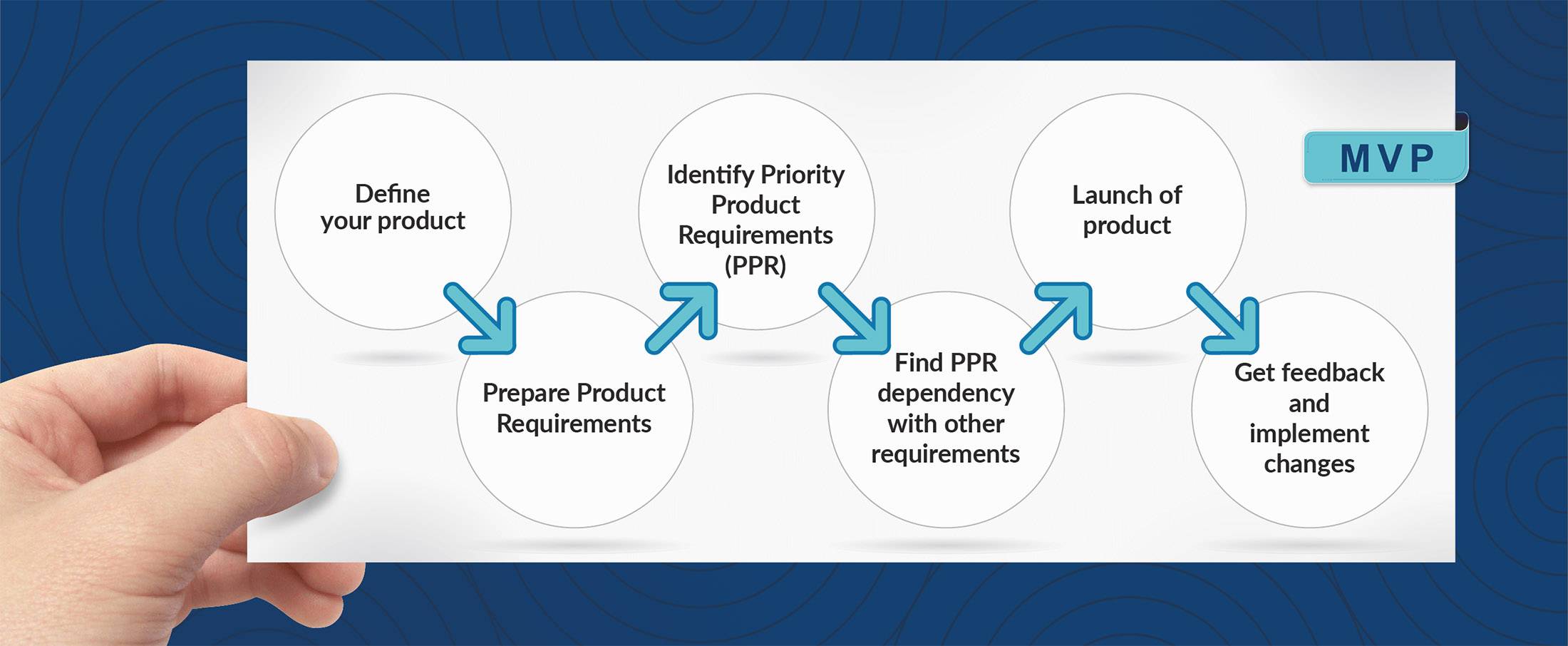
- Prototype / MVP or POC (if needed) — Build a minimal viable version to validate assumptions, user flows, performance, scalability and feasibility.
- Full Development, Deployment & QA — Build the full application, set up hosting / cloud / infrastructure, implement security, testing, deployment pipelines.
- Monitoring, Maintenance & Iteration / Future-Proofing — As your user base grows and requirements evolve, the stack and infrastructure are capable of scaling, and you can enhance or refactor parts without wholesale rewrite.
Because Mobifilia handles both frontend, backend, cloud and BI, you get a unified approach rather than piecemeal deliveries — which tends to reduce friction, misunderstanding, and long-term technical debt.
Why This Matters for Clients — Real Business Value
For a business owner, startup founder, or manager — choosing a vendor and a stack properly means:
- Less risk of “technical debt” or “rewrite nightmares” in future
- Faster delivery when you need to launch quickly — without compromising on quality or scalability
- A product that can grow with your business — saving money and time long-term
- Lower maintenance and hosting costs if designed efficiently
- Better ability to respond to new requirements: more features, more users, more integrations
Through a partner like Mobifilia, you don’t have to be a tech-expert — you get guidance, expertise, and a team that builds what you need now — while keeping tomorrow in mind.
Final Thoughts
Choosing the right tech stack is one of the most important — and under-emphasized — decisions in building a web application. It isn’t enough to just go with what’s trending, or what’s cheapest now. What matters is what fits your goals, growth plans, technical requirements, and team.
If you pick a stack poorly, you risk performance issues, scalability problems, difficult maintenance, or costly rewrites in future. If you pick it well — or even better, if you partner with an experienced company who helps make the choice — you build a strong foundation for success.
Mobifilia brings such experience: a holistic view, technical depth across frontend, backend, cloud, BI, QA — and a readiness to tailor your stack based on your needs and growth path.
- Choosing the Best Tech Stack
- Custom Web Application Development
- Mobifilia Software Development
- Right Tech Stack for Web Development
- Scalable & Maintainable Tech Stack
- Web Application Architecture Guide
10 Dec 2025
Related Posts
EdTech Development: Creating Engaging Learning Platforms

Integrating Multiple Systems? How Custom Software Can Break Down

Staff Augmentation vs Project Outsourcing: Which Model Fits Your

Building an App? 5 Mistakes to Avoid in the Early Stages

DevOps in Custom Software: Accelerating Delivery and Quality —

UI/UX Best Practices for Custom Web Applications — What They Re
Mobile App Development Trends 2026: AI, IoT, and Beyond

MVP Development: Focusing on Core Features for Success — and Ho

Inbox Under Threat: How Human Verification Can Protect Email From

How to Enhance User Engagement with These Mobile App UX Hacks

10 Signs Your Business Needs Custom Software (And Not Off-the-She

From Concept to Creation: Understanding Product Engineering Servi

Save Time and Money with Effective Prototyping in Software Projec

Securing Your Application: Best Practices from Day 1

Why Custom Software Is a Smart Investment for SMBs

Custom Software for Healthcare: Innovations That Meet Compliance

FinTech Software Development: Security and Compliance Best Practi

Understanding HIPAA Compliance in Healthcare App Development: A C

Breaking the Fix-It Loop – Why Patching Alone Slows Growth

Why ‘Technical Feasibility’ is Crucial Before Buildin

Can AI Replace Designers? The Real Impact on Creative Design Team

Redesigning Hiring for the Underserved – A Blueprint for Talent

Agile vs Waterfall: How to Decide the Best Fit for Your Project

Web App vs Mobile App: How to Choose the Right Platform for Your

Behavioral Traits – The Hidden Engine of Retention

Building Custom Software on a Budget: Expert Advice for Startups

UX as Emotional Infrastructure

Mock Interviews, Real Confidence: Preparing Beyond the Resume

Rapid Prototyping: How AI is Revolutionizing the Design Process i

What If Job Matching Measured Mindsets, Not Just Degrees?

Why Job Boards Fail in Developing Economies

Transforming Software: How AI is Making It More User-Friendly and

Leave Management System – Admin & HR Controls

When Code Bows to Culture

The Role of AI in Super High Paced Development: Transforming the

Who is Soham Parekh?

Leave Management System – Instant Leave Decisions

Leave Management System – Employee Leave Flow

AI-Based Error Log Analyzer: A Smarter Way to Handle Infrastructu

Why Pictures (and Sounds) Speak Louder Than Tables

Leave Management System – Mobile First

Leave Management System – Real Cost
Leave Management System
Keeping Workers Safe: How Computer Vision Revolutionizes Industri

The AI Whisperer: Unmasking Public Opinion with Sentiment Analysi
EHR Interoperability: Enhancing Care Coordination
EHR Security Best Practices: Safeguarding Patient Data
The Benefits of Implementing EHR Systems in Healthcare
Big Data Trends in Healthcare
Business Intelligence for Healthcare Industry
How Mobile Apps Are Transforming Healthcare
Practical Use Cases of RPA in the Healthcare Industry
Google Core Update January 2020
Health Information Exchange (HIE): A Primer
How Wearables are Helping to Monitor Patients
Best Practices for Successful EHR Data Integration
Importance of Sustainable Last-Mile Delivery Options in Building
Applications of 3D Printing in Healthcare

Application and Advantages of Artificial Intelligence and Machine
What is Technical SEO?
Healthcare Tech Space Review 2019
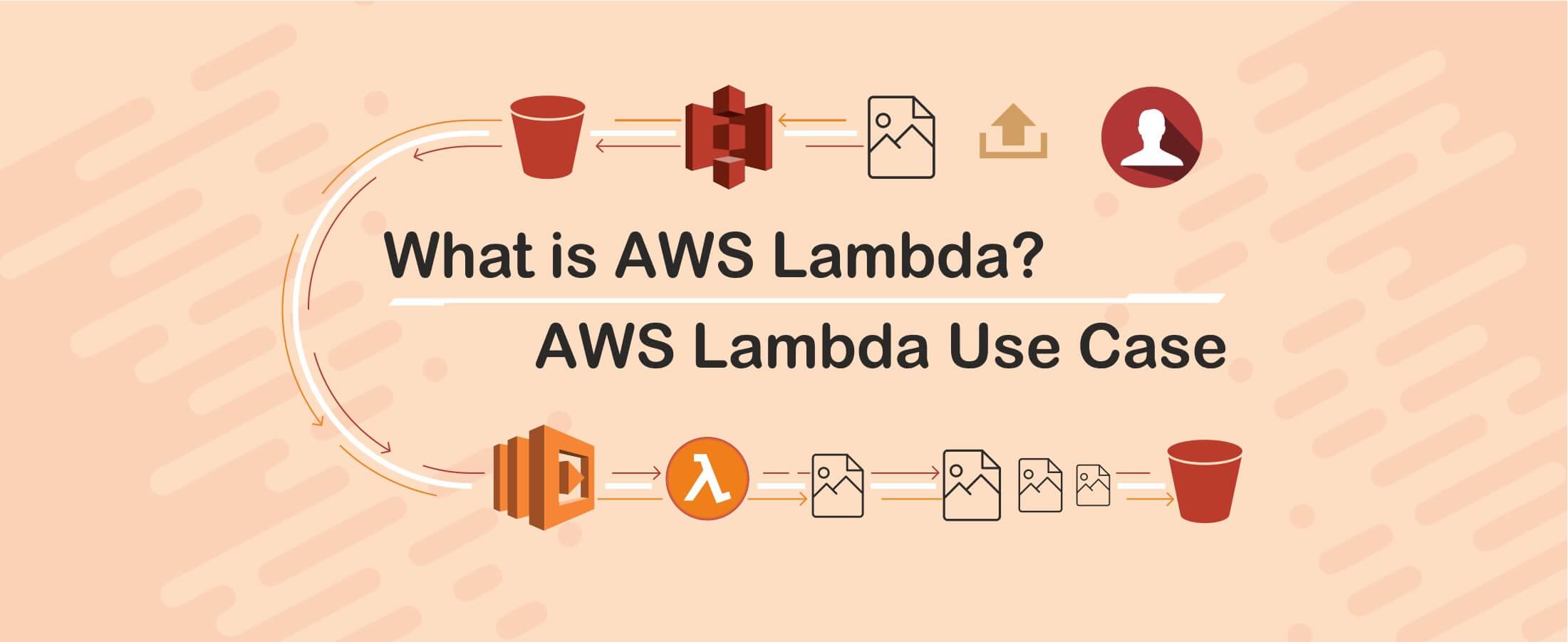
What is AWS Lambda? & AWS Lambda Use Case
Digital Marketing Strategies for Real Estate Agents
Web API and HL7 FHIR – The Future of Interoperability
Why FHIR is Better?
Real Estate Tech Space Review 2019
Improving Patient Care with Chronic Care Management
10 Healthcare Tech Trends to Follow in 2020
10 Real Estate Tech Trends to Follow in 2020
iBuyer: Disruptive Business Model or a Passing Fad?
Symptom Checker: Your personal mhealth app
Facebook for Real Estate Marketing
Use cases for Big Data in Real Estate
Can Real Estate be Uberized?
Using Predictive Analysis for Better Management of Patient Emerge
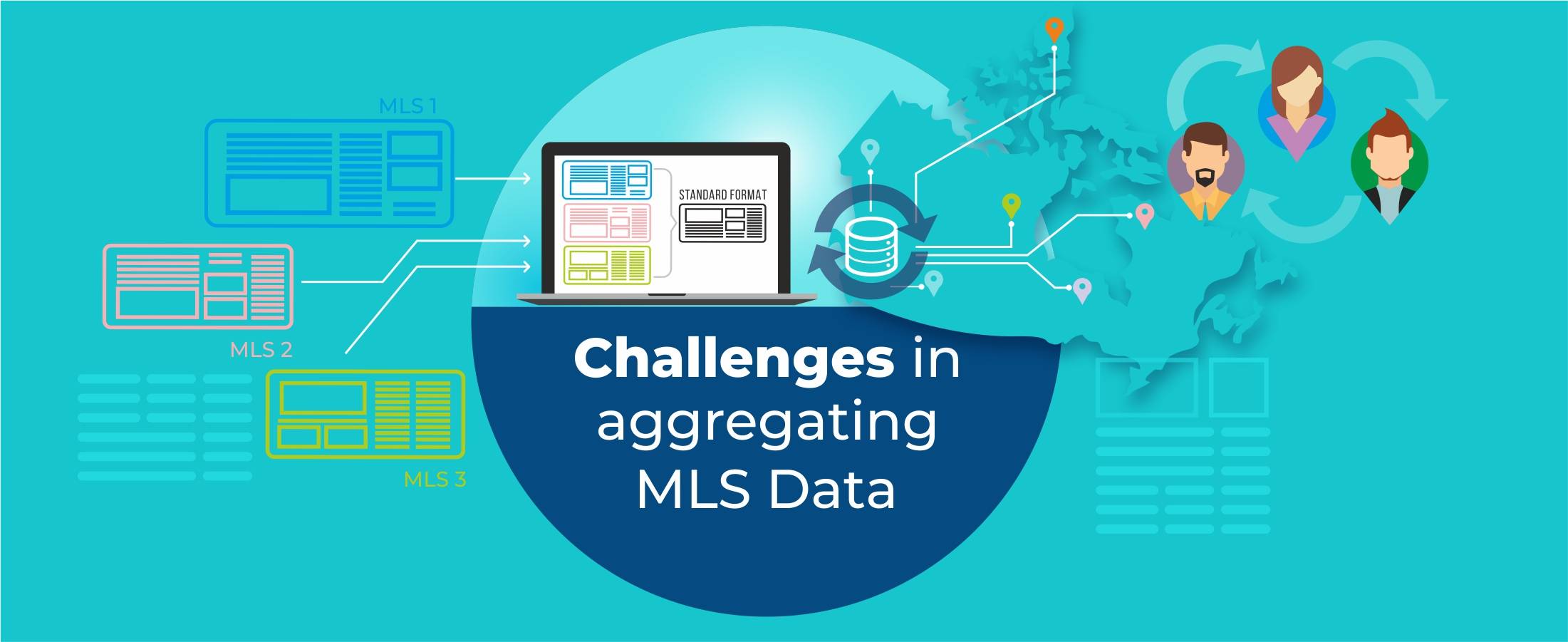
Challenges in Aggregating MLS Data
Home Navigation for the Visually Challenged

Uberization of Healthcare
Using mHealth for monitoring symptoms in children
Pinterest for Real Estate Marketing
Advancement of Voice Inputs over Text in Healthcare
Instagram for Real Estate Marketing
Chatbots in Healthcare
Why brokers are moving to custom solutions rather than using gene
Virtual Hospitals: Future of Healthcare

What Happens in Vegas, Stays in Vegas – Well, not if you ha
8 Healthcare Tech Trends to watch out for in 2019
6 Reasons Why Telemedicine Hasn’t Taken Off
5 Real Estate Tech Trends to watch out for in 2019
How MLS APIs Can Improve Your IDX Performance
How can Realtors generate quality leads using Social Media?
What is the difference between RETS and RESO Web API?
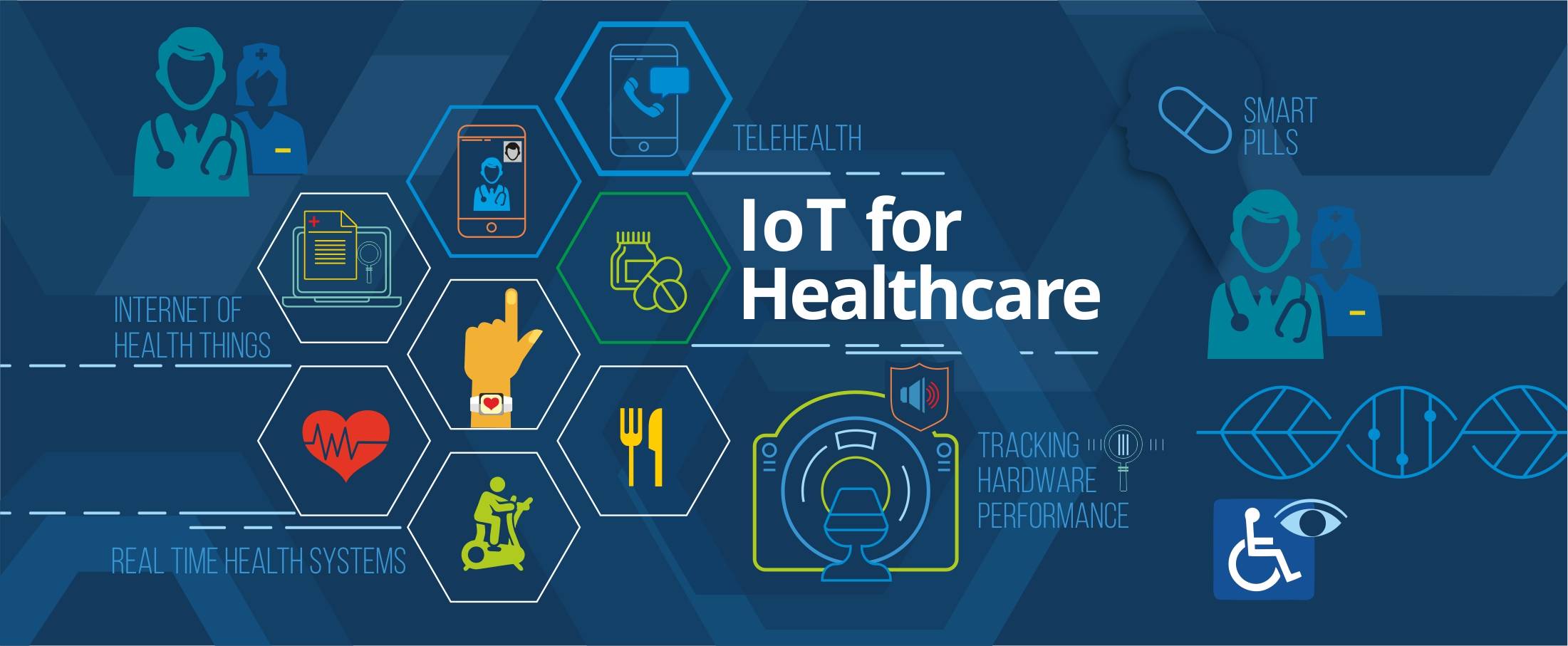
IoT for Healthcare

3D Home Tours – A must have in today’s world?
3D Printing in Real Estate
Pros & Cons of integrating RETS in your website

Blockchain: Opportunities for Healthcare
Pros & Cons of Integrating IDX in your Website
4 Reasons why you need to integrate RESO compliant MLS
Docker Selenium Grid for Parallel Test Execution
IDX vs RETS vs MLS vs RESO
How is AI Transforming Healthcare
The Future of Virtual Reality in Healthcare
Smart Contracts in Real Estate using Blockchain

How To Choose The Right CRM For Your Business
Best UX Design Practices for Healthcare Applications
FHIR Integration for Better Patient Engagement
IoT for SMART Real Estate
AI to Automate Pre-Showing Process
Best Practices for Healthcare Data Governance

Will Virtual Reality in Real Estate Replace Property Showing?
A Secure Web is Here

Will Uber-ized Property Showing Gain Momentum?
Future of Cloud Computing in Healthcare
5 Real Estate Tech Predictions for 2018
Key Takeaways From Inman Connect NYC 2018 #ICNY
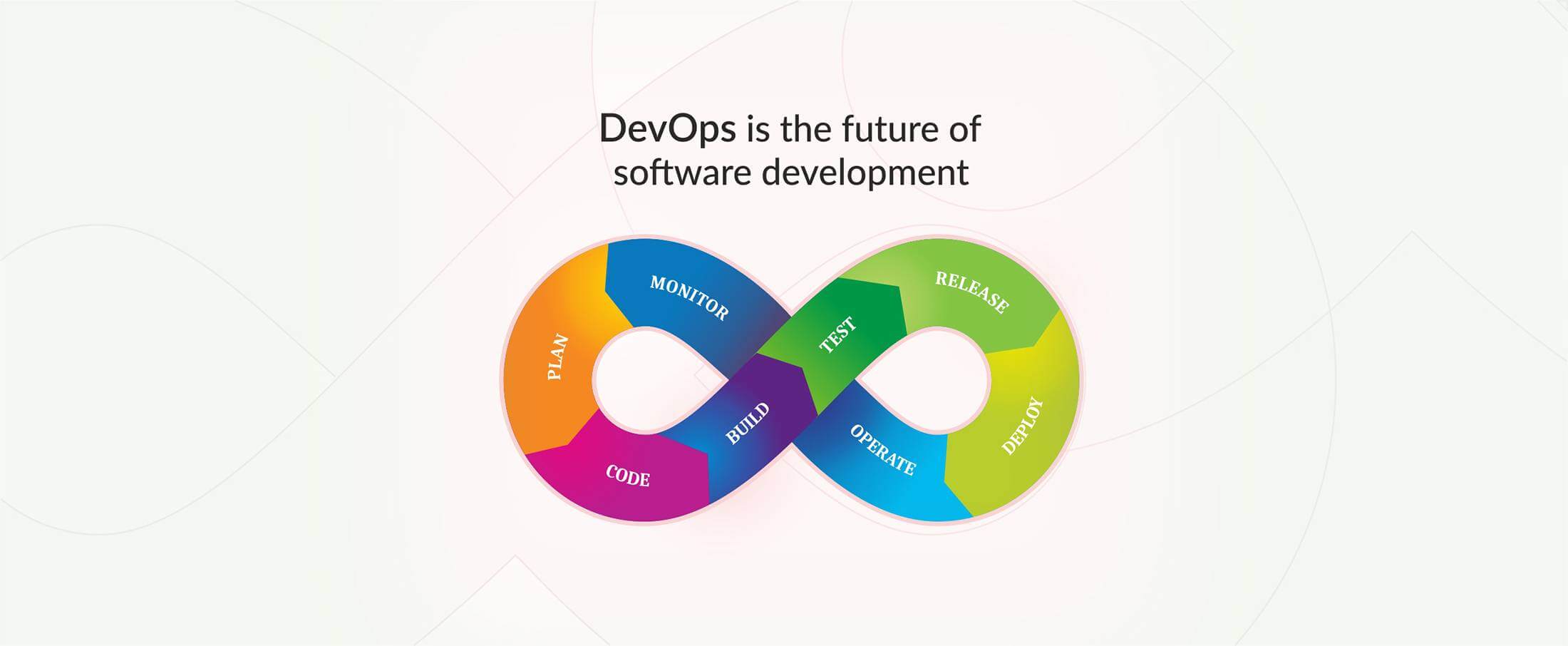
DevOps is the future of the software development
9 Proven Ways to Optimize Google Page Speed

3 Ways to Generate More Real Estate Sales Leads
Introduction to Elasticsearch
5 Real Estate Tasks to Automate
MLS Data: Roadblock for RealTech?
Part II – Writing Better, Faster and Easy to Maintain Mobil
Meteor Security Checks
3 Reasons Why You Need App Prototype For Your Idea
Apple Events September 2017

Part I – Writing Better, Faster and Easy to Maintain Mobile