Why Custom Software Is a Smart Investment for SMBs

Custom software refers to applications specifically designed for your business operations, workflows, and unique needs. Unlike generic solutions, these tailored systems address the specific challenges that small and medium-sized businesses (SMBs) face in competitive markets.
You need SMB software solutions that adapt to your business instead of forcing your processes to fit into rigid, one-size-fits-all platforms. Small and medium businesses work with small teams, have limited budgets, and follow specialized workflows that standard software often cannot effectively support.
The benefits of custom software become clear when you compare different investment strategies:
- Off-the-shelf software: Lower initial costs but limited customization options, ongoing licensing fees, and potential disruptions to workflow
- Custom software investment: Higher upfront development costs but complete alignment with business processes, no recurring license fees, and scalable architecture
Generic solutions require you to find workarounds for their limitations, often leading to the use of multiple tools to accomplish what one custom system could do seamlessly. This fragmented approach results in data silos, increased training complexity, and decreased operational efficiency.
When you think about long-term operational costs, competitive advantages, and growth potential that tailored solutions offer, it becomes clear why custom software is a smart investment for SMBs.
1. Aligning Custom Software with Business Needs
Business alignment becomes the cornerstone of successful SMB operations when you implement software that mirrors your exact workflows. Custom solutions map directly to your established processes, eliminating the frustration of forcing square pegs into round holes that off-the-shelf products often create.
Your unique business processes deserve software that enhances rather than constrains them. A manufacturing SMB might need inventory tracking that accounts for seasonal fluctuations and supplier lead times, while a consulting firm requires project management tools that reflect their specific client onboarding sequence. Tailored software benefits emerge when you can configure every feature to support your methodology.
The competitive edge materializes through customization that amplifies your unique selling points. Consider a boutique marketing agency that specializes in influencer campaigns – their custom CRM can track engagement metrics, campaign performance, and influencer relationships in ways that generic tools simply cannot match.
Bespoke tools transform your operational advantages into market differentiators. When your software perfectly supports your business model, you execute faster, serve clients better, and adapt quicker than competitors struggling with generic solutions that require constant workarounds.
2. Boosting Efficiency and Productivity with Custom Solutions
1. Streamlining Workflow with Automation
Workflow automation transforms how your SMB handles repetitive tasks that consume valuable employee hours. Custom software eliminates manual data entry across departments, reducing human error rates by up to 90% while freeing your team to focus on strategic initiatives. You can automate invoice processing, customer onboarding sequences, inventory updates, and report generation—tasks that typically require hours of manual work each week.
2. Optimizing Resource Management
Resource management becomes significantly more effective when custom solutions integrate your existing systems. Instead of juggling multiple platforms for project management, accounting, and customer communication, you gain a unified dashboard that provides real-time visibility into resource allocation. Your managers can instantly see which team members are available, track project timelines, and redistribute workloads based on current capacity.
3. Enhancing Productivity
Productivity improvement occurs naturally when employees work within software designed specifically for their daily workflows. Custom solutions eliminate the frustration of forcing generic tools to fit unique processes, reducing the time spent on workarounds and system switching. You’ll notice faster task completion rates and improved employee satisfaction as your team operates within an environment built to support their specific responsibilities.
3. Scalability, Future-Proofing, and Enhanced Customer Experience in Custom Software Development
Scalable software solutions adapt seamlessly as your business evolves. You can add new features, accommodate more users, and integrate additional functionalities without replacing your entire system. This business growth adaptation eliminates the costly cycle of purchasing new software every time your operations expand.
Custom customer relationship management (CRM) systems exemplify this flexibility perfectly. You design them to mirror your specific sales processes, ensuring no leads fall through the cracks. Your sales team follows workflows that match exactly how you conduct business, from initial contact through deal closure.
Consider a manufacturing SMB that starts with basic inventory tracking. Their custom solution grows to include:
- Production scheduling modules
- Quality control checkpoints
- Supplier management features
- Customer portal integration
Each addition builds upon existing functionality rather than requiring separate software purchases. Your CRM captures every client interaction according to your methodology, whether you use consultative selling, solution-based approaches, or industry-specific protocols. This precision transforms client communication from generic touchpoints into meaningful, personalized experiences that drive revenue growth.
4. Cost-Effectiveness, Security, and Seamless Integration with Custom Software Solutions for SMBs
Long-term cost savings become apparent when you examine the total cost of ownership. While custom software requires a higher initial investment, you eliminate recurring licensing fees for multiple off-the-shelf products. Many SMBs spend thousands annually on separate tools for accounting, inventory management, customer service, and project management. Custom solutions consolidate these functions into a unified platform.
Custom security measures provide protection tailored to your specific vulnerabilities and compliance requirements. Generic software often includes unnecessary features that create potential security gaps. You gain control over data encryption, user access levels, and security protocols that align with your industry standards and risk tolerance.
System integration transforms fragmented operations into cohesive workflows. Custom software connects your HR systems with payroll processing, links inventory reporting to e-commerce platforms, and synchronizes financial data across departments. This unified approach eliminates data silos, reduces manual data transfer errors, and enables real-time reporting across all business functions. You spend less time reconciling information between systems and more time making informed decisions based on accurate, consolidated data.
5. Supporting Growth Strategies and Implementing Best Practices in Custom Software Development for SMBs
Custom software transforms how SMBs approach revenue growth strategies by creating sophisticated upselling and cross-selling mechanisms. You can embed intelligent recommendation engines that analyze customer behavior patterns, automatically suggesting complementary products during checkout or follow-up communications. These customized features generate additional revenue streams that generic software simply cannot deliver.
The foundation of successful custom software lies in thorough implementation strategies that begin with comprehensive business requirement analysis. You need to document every workflow, identify pain points, and map out desired outcomes before writing a single line of code. This upfront investment in planning prevents costly revisions and ensures the final product aligns with your operational goals.
Partnering with experienced developers who understand SMB challenges makes the difference between software that works and software that transforms your business. Look for development teams that:
- Utilize methodologies like Behavior Driven Development (BDD)
- Apply Lean Startup principles for iterative improvements
- Conduct pilot testing with real business scenarios
- Provide comprehensive staff training programs
These practices ensure your custom solution delivers measurable results from day one.
Long-Term Benefits of Custom Software Adoption in SMBs
1. Operational Streamlining
Operational streamlining becomes increasingly evident as SMBs continue using their custom solutions. You’ll notice measurable improvements in task completion times, with many businesses reporting 30-50% faster processing of routine operations compared to their previous systems. Custom software eliminates redundant steps and automates manual processes, creating a ripple effect of efficiency gains throughout your organization.
2. User Satisfaction Improvement
User satisfaction improvement naturally follows as employees work with tools designed specifically for their daily workflows. Your team spends less time fighting against software limitations and more time focusing on value-added activities. This leads to higher productivity levels and reduced employee frustration.
3. Defect Reduction
The data speaks volumes: SMBs using custom software typically experience significant defect reduction in their processes. You’ll see fewer errors in data entry, improved accuracy in reporting, and enhanced quality control measures. These improvements compound over time, creating substantial cost savings and operational excellence.
4. Decreased Training Costs
Training costs decrease dramatically when you implement unified interfaces across your custom solution. New employees adapt faster to systems that mirror your actual business processes rather than generic workflows.
Conclusion
Why Custom Software Is a Smart Investment for SMBs becomes clear when you examine the comprehensive advantages it delivers. The scalability factor alone positions your business for sustainable growth, allowing systems to evolve alongside your expanding operations without costly replacements.
Security advantages provide peace of mind through tailored protection measures that address your specific vulnerabilities. You gain control over sensitive data while maintaining compliance standards relevant to your industry.
The unified interfaces reduce training costs significantly, creating consistency across departments. Your team adapts faster to integrated systems, resulting in higher adoption rates and improved productivity. These benefits compound over time, transforming initial development costs into substantial long-term savings and operational excellence that off-the-shelf solutions simply cannot match.
- Bespoke business software
- Business process software
- Custom software for SMBs
- Scalable software development
- SMB digital transformation
- SMB software solutions
- Tailored software solutions
- Workflow automation SMB
03 Oct 2025
Related Posts
EdTech Development: Creating Engaging Learning Platforms

Integrating Multiple Systems? How Custom Software Can Break Down

Staff Augmentation vs Project Outsourcing: Which Model Fits Your

Building an App? 5 Mistakes to Avoid in the Early Stages

DevOps in Custom Software: Accelerating Delivery and Quality —

UI/UX Best Practices for Custom Web Applications — What They Re
Mobile App Development Trends 2026: AI, IoT, and Beyond

Why Choosing the Right Tech Stack Matters

MVP Development: Focusing on Core Features for Success — and Ho

Inbox Under Threat: How Human Verification Can Protect Email From

How to Enhance User Engagement with These Mobile App UX Hacks

10 Signs Your Business Needs Custom Software (And Not Off-the-She

From Concept to Creation: Understanding Product Engineering Servi

Save Time and Money with Effective Prototyping in Software Projec

Securing Your Application: Best Practices from Day 1

Custom Software for Healthcare: Innovations That Meet Compliance

FinTech Software Development: Security and Compliance Best Practi

Understanding HIPAA Compliance in Healthcare App Development: A C

Breaking the Fix-It Loop – Why Patching Alone Slows Growth

Why ‘Technical Feasibility’ is Crucial Before Buildin

Can AI Replace Designers? The Real Impact on Creative Design Team

Redesigning Hiring for the Underserved – A Blueprint for Talent

Agile vs Waterfall: How to Decide the Best Fit for Your Project

Web App vs Mobile App: How to Choose the Right Platform for Your

Behavioral Traits – The Hidden Engine of Retention

Building Custom Software on a Budget: Expert Advice for Startups

UX as Emotional Infrastructure

Mock Interviews, Real Confidence: Preparing Beyond the Resume

Rapid Prototyping: How AI is Revolutionizing the Design Process i

What If Job Matching Measured Mindsets, Not Just Degrees?

Why Job Boards Fail in Developing Economies

Transforming Software: How AI is Making It More User-Friendly and

Leave Management System – Admin & HR Controls

When Code Bows to Culture

The Role of AI in Super High Paced Development: Transforming the

Who is Soham Parekh?

Leave Management System – Instant Leave Decisions

Leave Management System – Employee Leave Flow

AI-Based Error Log Analyzer: A Smarter Way to Handle Infrastructu

Why Pictures (and Sounds) Speak Louder Than Tables

Leave Management System – Mobile First

Leave Management System – Real Cost
Leave Management System

Keeping Workers Safe: How Computer Vision Revolutionizes Industri

The AI Whisperer: Unmasking Public Opinion with Sentiment Analysi

EHR Interoperability: Enhancing Care Coordination

EHR Security Best Practices: Safeguarding Patient Data

The Benefits of Implementing EHR Systems in Healthcare
Big Data Trends in Healthcare
Business Intelligence for Healthcare Industry
How Mobile Apps Are Transforming Healthcare
Practical Use Cases of RPA in the Healthcare Industry
Google Core Update January 2020
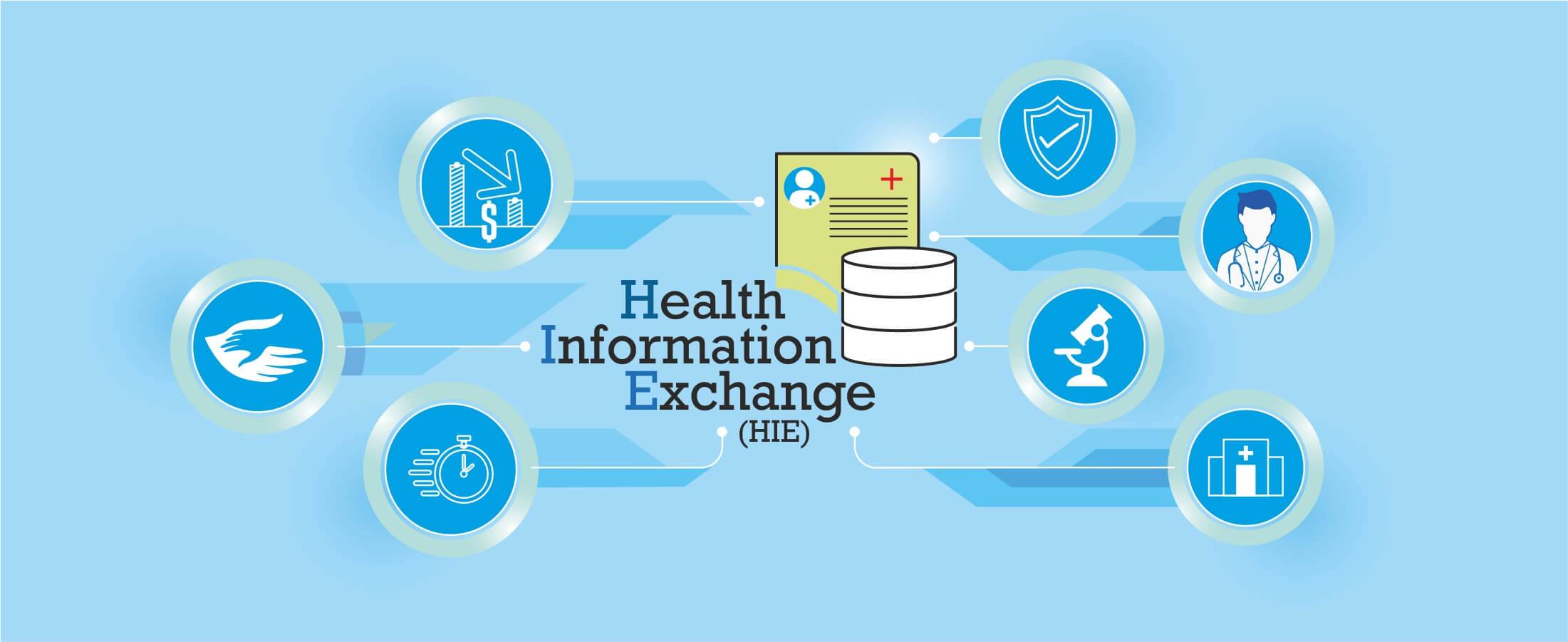
Health Information Exchange (HIE): A Primer

How Wearables are Helping to Monitor Patients
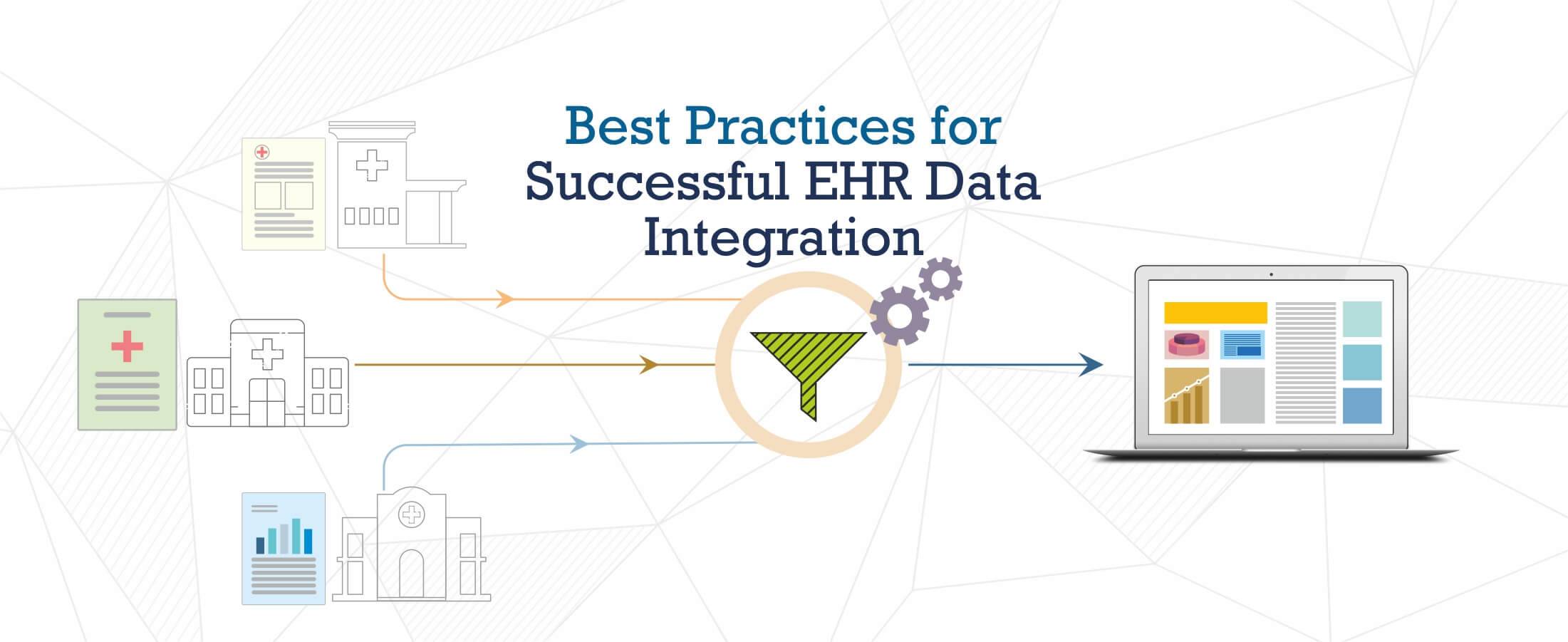
Best Practices for Successful EHR Data Integration

Importance of Sustainable Last-Mile Delivery Options in Building
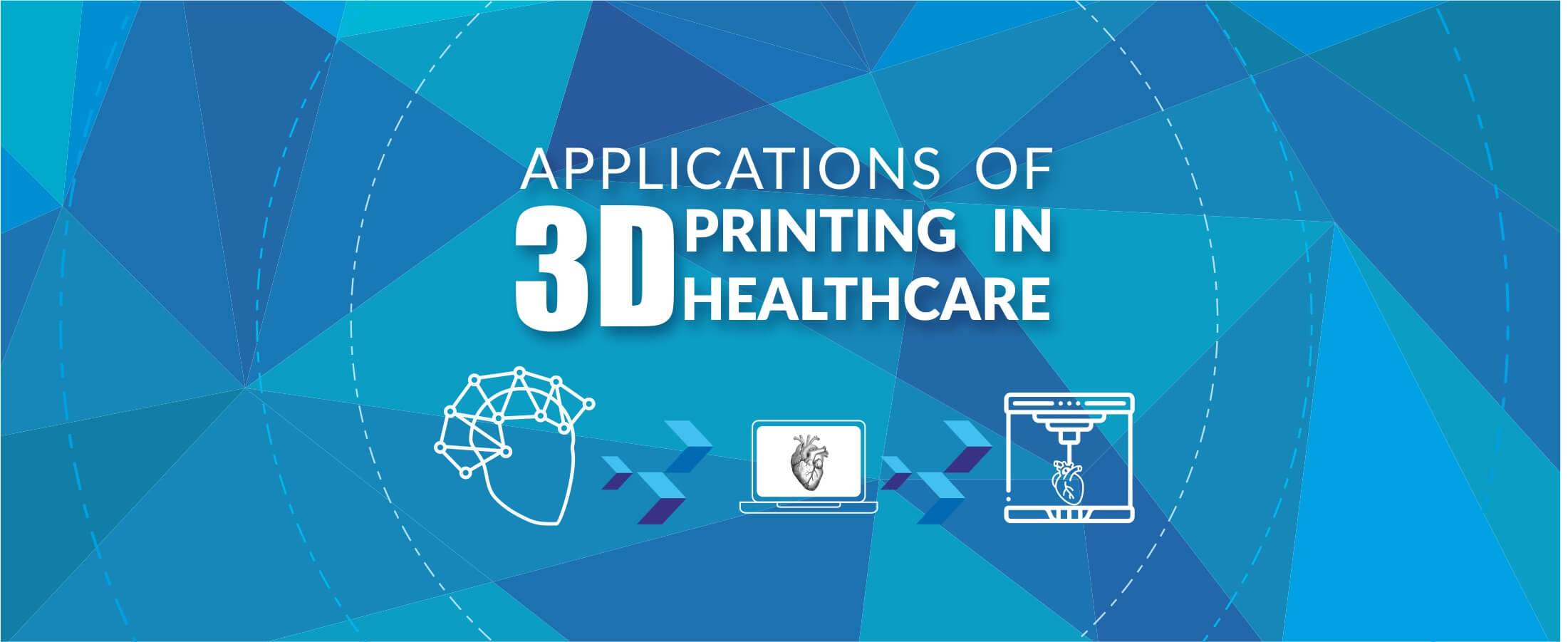
Applications of 3D Printing in Healthcare
Application and Advantages of Artificial Intelligence and Machine
What is Technical SEO?
Healthcare Tech Space Review 2019

What is AWS Lambda? & AWS Lambda Use Case
Digital Marketing Strategies for Real Estate Agents
Web API and HL7 FHIR – The Future of Interoperability
Why FHIR is Better?
Real Estate Tech Space Review 2019
Improving Patient Care with Chronic Care Management
10 Healthcare Tech Trends to Follow in 2020

10 Real Estate Tech Trends to Follow in 2020
iBuyer: Disruptive Business Model or a Passing Fad?

Symptom Checker: Your personal mhealth app
Facebook for Real Estate Marketing
Use cases for Big Data in Real Estate
Can Real Estate be Uberized?
Using Predictive Analysis for Better Management of Patient Emerge
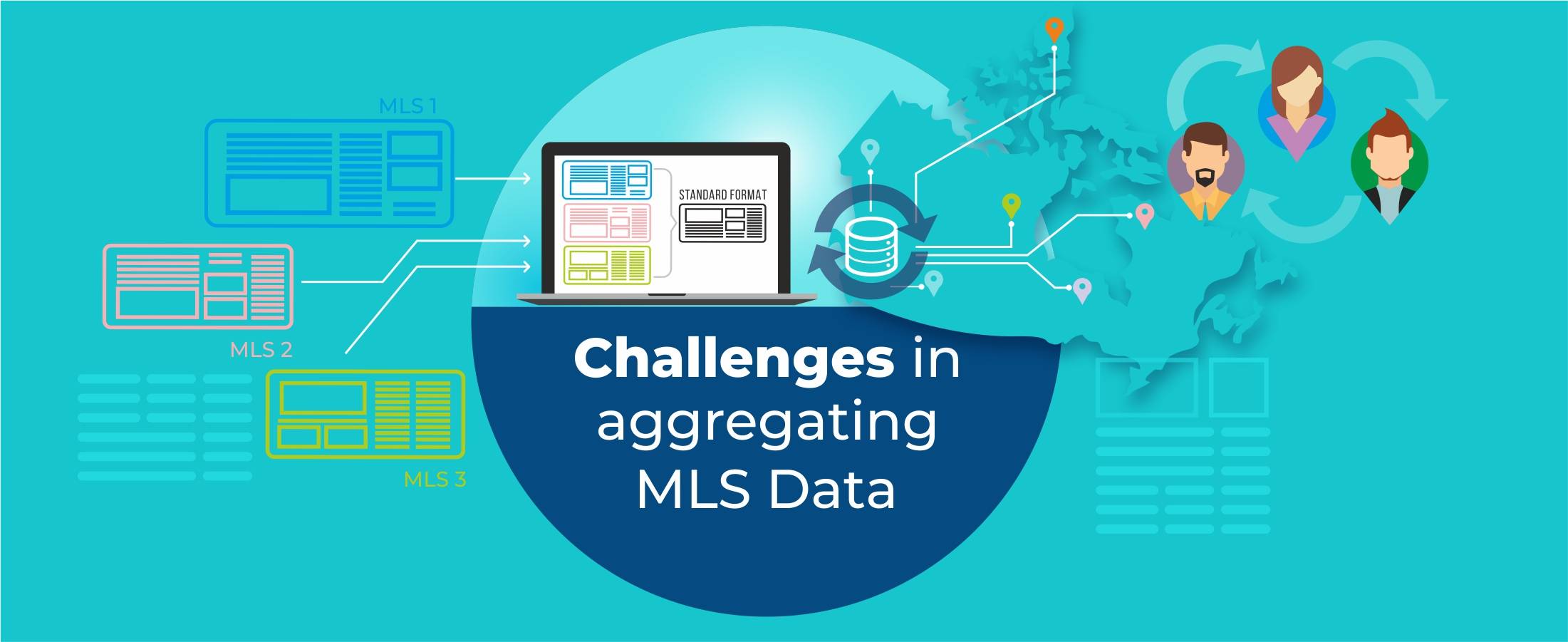
Challenges in Aggregating MLS Data
Home Navigation for the Visually Challenged

Uberization of Healthcare
Using mHealth for monitoring symptoms in children
Pinterest for Real Estate Marketing

Advancement of Voice Inputs over Text in Healthcare
Instagram for Real Estate Marketing
Chatbots in Healthcare
Why brokers are moving to custom solutions rather than using gene
Virtual Hospitals: Future of Healthcare

What Happens in Vegas, Stays in Vegas – Well, not if you ha

8 Healthcare Tech Trends to watch out for in 2019

6 Reasons Why Telemedicine Hasn’t Taken Off

5 Real Estate Tech Trends to watch out for in 2019
How MLS APIs Can Improve Your IDX Performance
How can Realtors generate quality leads using Social Media?
What is the difference between RETS and RESO Web API?
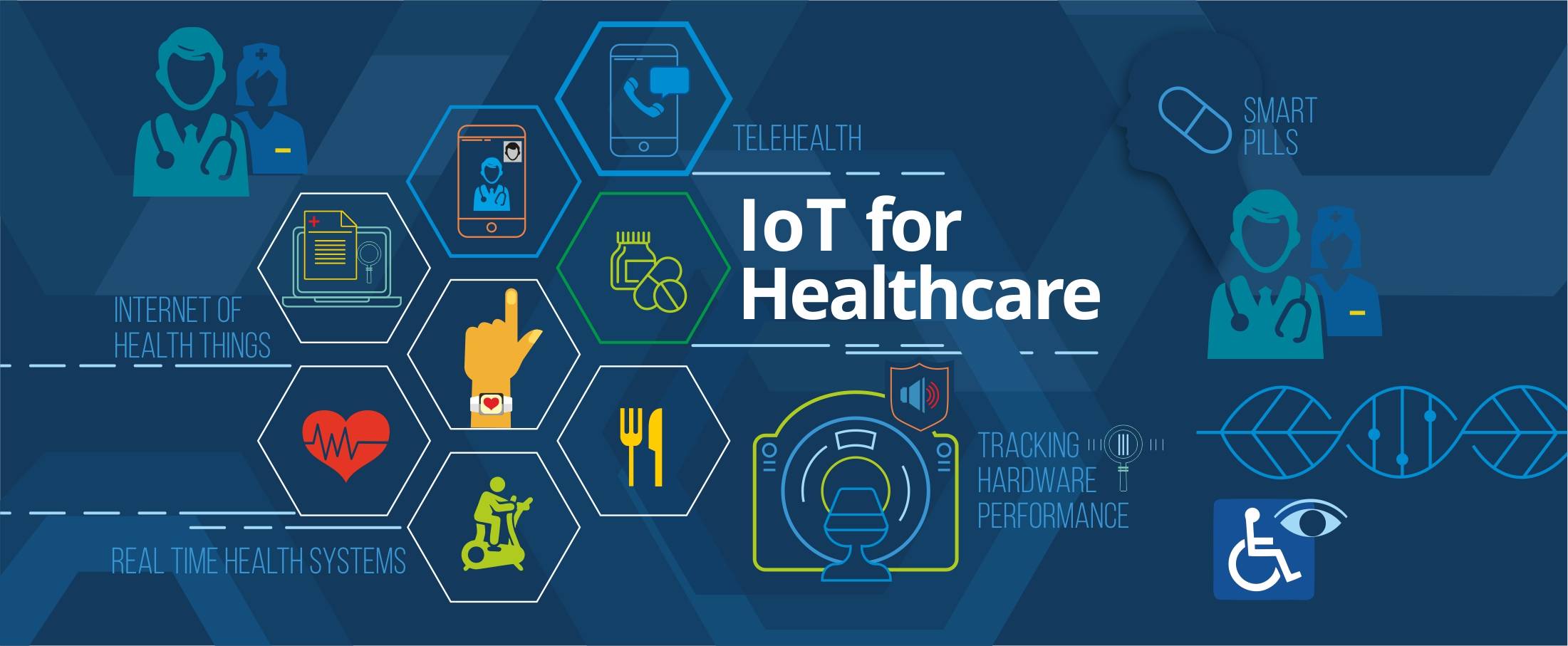
IoT for Healthcare

3D Home Tours – A must have in today’s world?
3D Printing in Real Estate
Pros & Cons of integrating RETS in your website

Blockchain: Opportunities for Healthcare
Pros & Cons of Integrating IDX in your Website
4 Reasons why you need to integrate RESO compliant MLS
Docker Selenium Grid for Parallel Test Execution
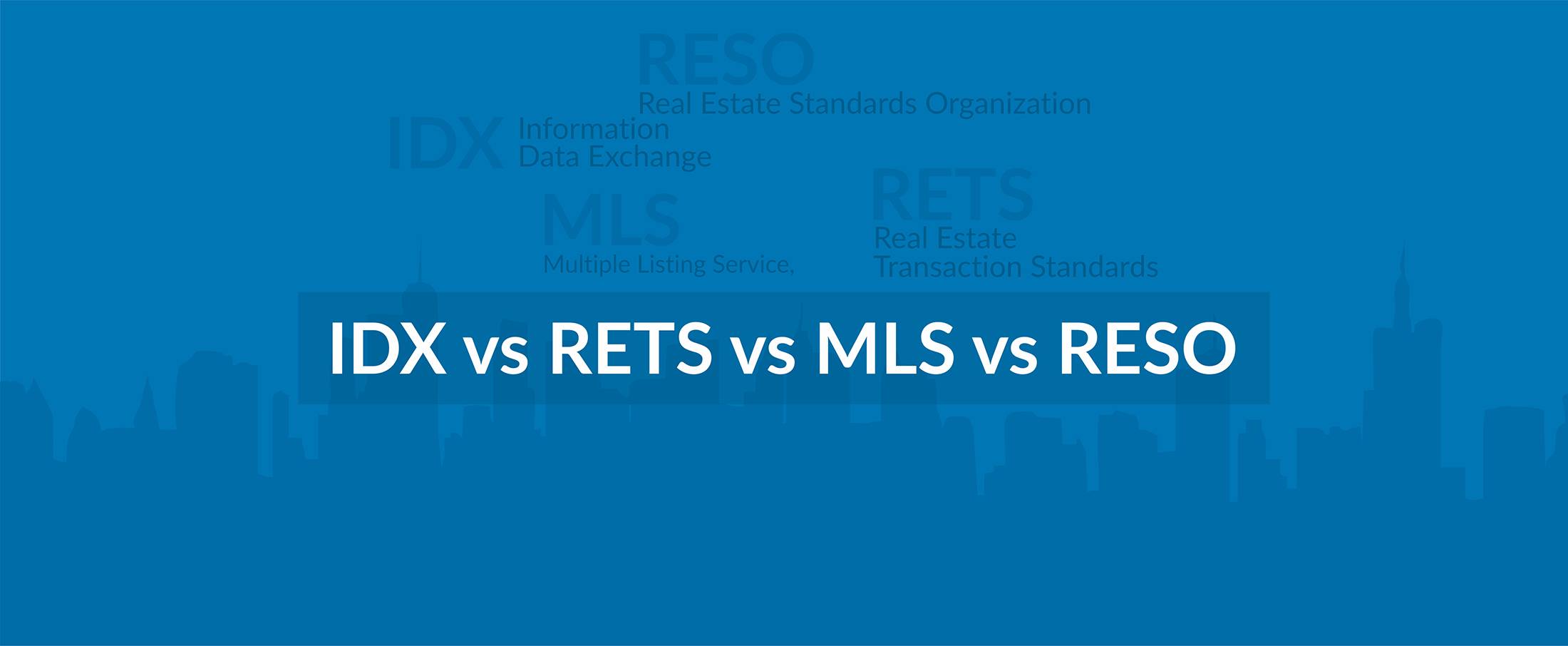
IDX vs RETS vs MLS vs RESO

How is AI Transforming Healthcare
The Future of Virtual Reality in Healthcare
Smart Contracts in Real Estate using Blockchain

How To Choose The Right CRM For Your Business

Best UX Design Practices for Healthcare Applications
FHIR Integration for Better Patient Engagement
IoT for SMART Real Estate
AI to Automate Pre-Showing Process
Best Practices for Healthcare Data Governance

Will Virtual Reality in Real Estate Replace Property Showing?
A Secure Web is Here

Will Uber-ized Property Showing Gain Momentum?
Future of Cloud Computing in Healthcare

5 Real Estate Tech Predictions for 2018
Key Takeaways From Inman Connect NYC 2018 #ICNY
DevOps is the future of the software development
9 Proven Ways to Optimize Google Page Speed

3 Ways to Generate More Real Estate Sales Leads
Introduction to Elasticsearch
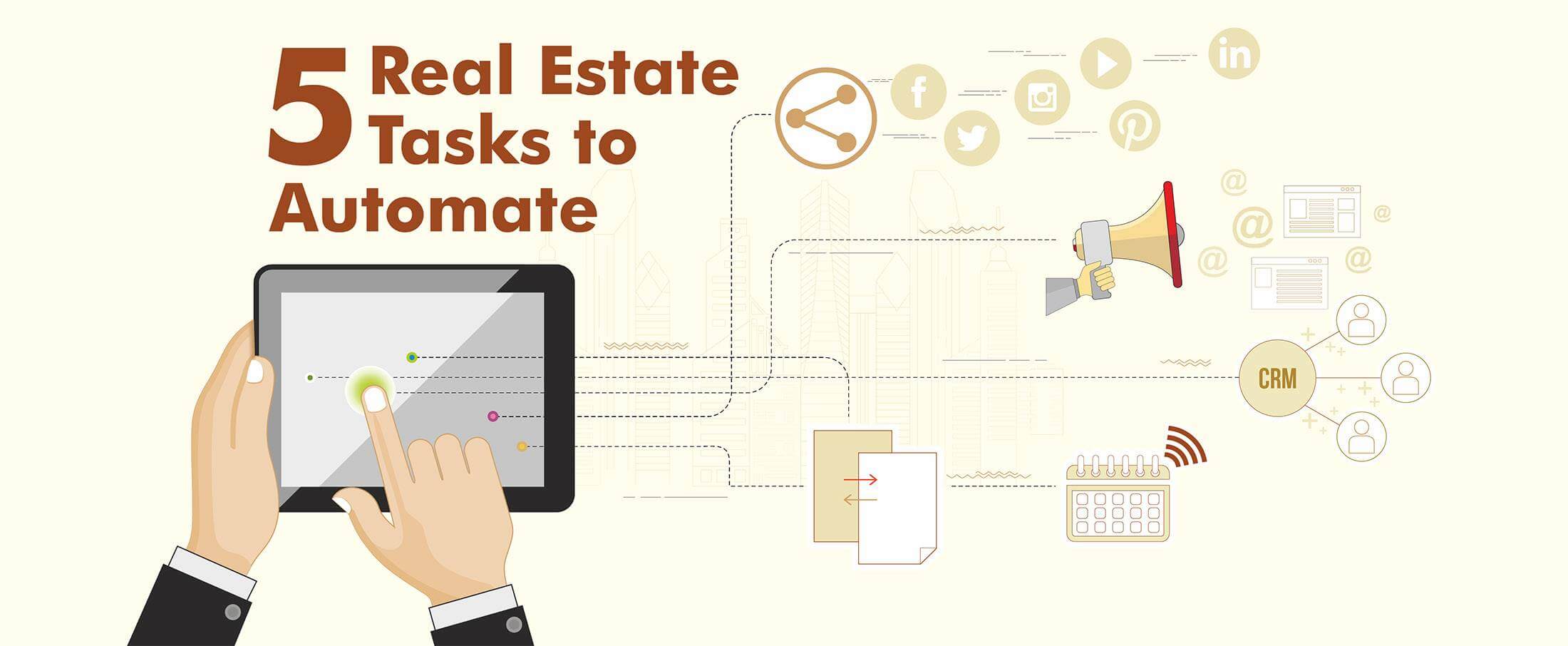
5 Real Estate Tasks to Automate
MLS Data: Roadblock for RealTech?

Part II – Writing Better, Faster and Easy to Maintain Mobil
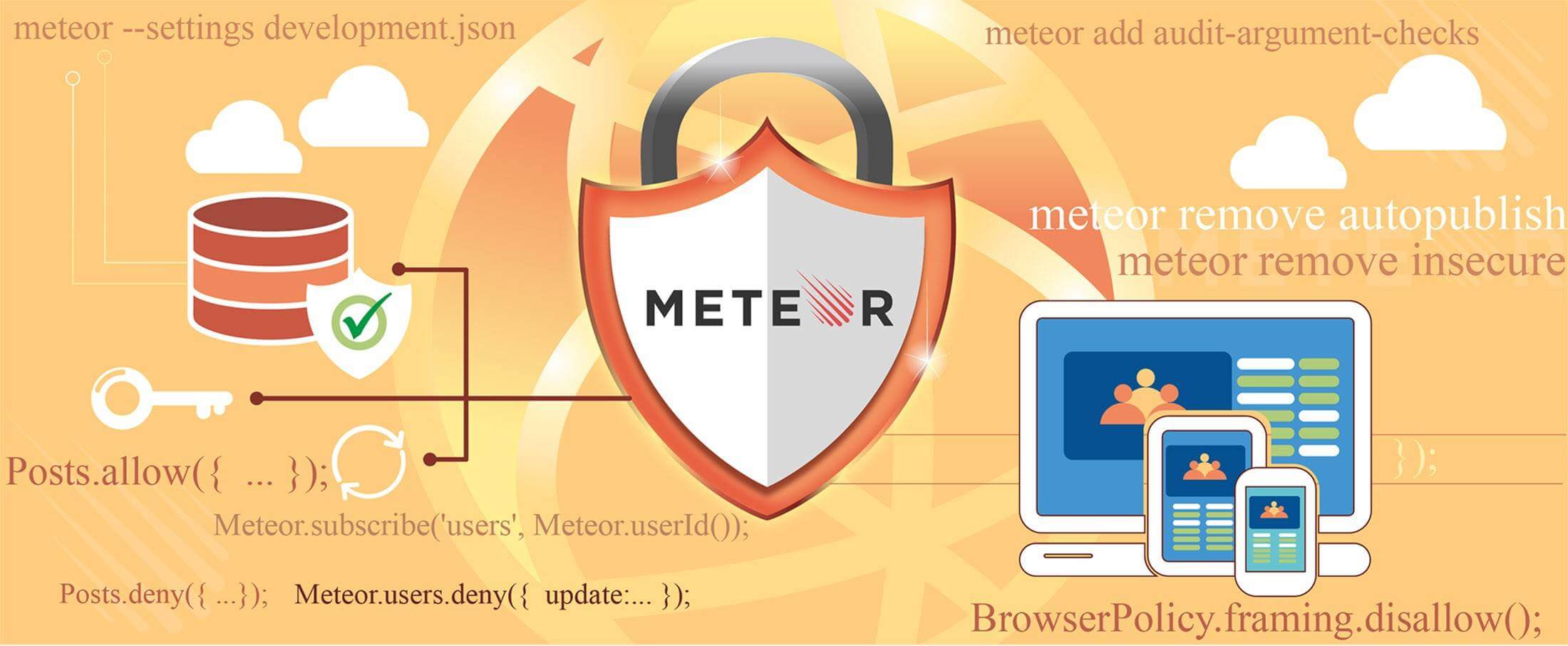
Meteor Security Checks

3 Reasons Why You Need App Prototype For Your Idea

Apple Events September 2017

Part I – Writing Better, Faster and Easy to Maintain Mobile