Why Pictures (and Sounds) Speak Louder Than Tables

Why Pictures (and Sounds) Speak Louder Than Tables
Clinical data managers have spent decades mastering the art of numbers. We’ve learned how to corral laboratory values, adjudicate adverse-event terms, and validate every keystroke in an electronic case-report form (eCRF) (FDA Guidance). Yet a profound shift is under way: the evidence that regulators, payers, and even patients value most is increasingly visual and auditory—not just textual or numerical.
“Imaging endpoints serve as objective measures for assessing treatment effects in clinical trials… often before clinical symptoms manifest.”
— RSNA Primer on Imaging Endpoints
That single insight encapsulates the opportunity. When a radiographic lesion visibly shrinks, or a voice tremor stabilizes on audio, the effect is more visceral—and statistically powerful—than a line of digits buried in a spreadsheet.
From Snapshots to Signals
Digital health has primed us to expect rich media across our lives. Smartphones record in 4K. Wearables stream heart sounds. Cloud PACS store high-resolution scans. Historically, clinical trials treated these assets as attachments—valuable, but peripheral. Today, they’re becoming primary endpoints.
- Images localize disease. A single MRI slice can map tumor volume down to the voxel—helping detect treatment effects even before the patient feels better.
- Video captures function. Frame-by-frame gait analysis or facial-expression scoring now quantifies neurological progress with more objectivity than traditional scales.
- Audio carries biomarkers. Voice recordings, examined by artificial intelligence, might provide new biomarkers for conditions such as heart disease and Alzheimer’s. (Source: Neil Savage, “AI listens for health conditions,” Nature Outlook, 22 May 2025.)
Together, these modalities create a multi-dimensional view of patient reality—something flat data tables simply cannot offer.
Why Isn’t Everyone Using Multimedia Endpoints?
Despite their power, rich media faces two key obstacles:
- Workflow Friction
Sites still juggle USB drives, FTP portals, and file-naming nightmares. One missed step, and the file—or its trail—disappears. - Compliance Anxiety
Media files carry large payloads. Hidden PHI can lurk in video reflections or background audio. Plus, managing audit trails across siloed systems adds major risk.
Some sponsors patch these issues with custom pipelines, but every patch adds cost, validation overhead, and scalability concerns.
The New Path—Without the Plumbing Nightmares
That’s why we built the NextAI Media Module—the first of its kind embedded inside an enterprise-grade Clinical Data Management System (CDMS).
Learn how the Media Module works →
Here’s what we’ve streamlined (without spoiling upcoming deep dives):
- Uploads via web or mobile go directly into the study database—checksum-validated and version-controlled.
- Reviewers stream and bookmark content inside the platform. No downloads. No risk.
- Automated de-identification plus role-based access ensure privacy and GxP-grade compliance.
We’ve made rich media as searchable, traceable, and audit-friendly as any lab datum—without you ever seeing the backend complexity.
Why This Shift Matters Now
- Regulatory bodies like the FDA and EMA now explicitly endorse imaging, video, and audio endpoints.
- Decentralized clinical trials (DCTs) depend on home-recorded media to preserve data density.
- AI pipelines thrive on labeled media—turning months of manual review into minutes of insight.
Final Word
Clinical teams that embrace multimedia-first workflows will accelerate decision-making, reduce site burden, and tell a clearer efficacy story. Those who wait may soon find themselves playing catch-up as others lock in media-based advantages.
Coming Next
We’ll break down the unique strengths of imaging, video, and audio—and explain why each deserves a permanent seat at your data-management table.
27 Jun 2025
Related Posts
EdTech Development: Creating Engaging Learning Platforms

Integrating Multiple Systems? How Custom Software Can Break Down

Staff Augmentation vs Project Outsourcing: Which Model Fits Your

Building an App? 5 Mistakes to Avoid in the Early Stages

DevOps in Custom Software: Accelerating Delivery and Quality —

UI/UX Best Practices for Custom Web Applications — What They Re
Mobile App Development Trends 2026: AI, IoT, and Beyond

Why Choosing the Right Tech Stack Matters

MVP Development: Focusing on Core Features for Success — and Ho

Inbox Under Threat: How Human Verification Can Protect Email From

How to Enhance User Engagement with These Mobile App UX Hacks

10 Signs Your Business Needs Custom Software (And Not Off-the-She

From Concept to Creation: Understanding Product Engineering Servi

Save Time and Money with Effective Prototyping in Software Projec

Securing Your Application: Best Practices from Day 1

Why Custom Software Is a Smart Investment for SMBs

Custom Software for Healthcare: Innovations That Meet Compliance

FinTech Software Development: Security and Compliance Best Practi

Understanding HIPAA Compliance in Healthcare App Development: A C

Breaking the Fix-It Loop – Why Patching Alone Slows Growth

Why ‘Technical Feasibility’ is Crucial Before Buildin

Can AI Replace Designers? The Real Impact on Creative Design Team

Redesigning Hiring for the Underserved – A Blueprint for Talent

Agile vs Waterfall: How to Decide the Best Fit for Your Project

Web App vs Mobile App: How to Choose the Right Platform for Your

Behavioral Traits – The Hidden Engine of Retention

Building Custom Software on a Budget: Expert Advice for Startups

UX as Emotional Infrastructure

Mock Interviews, Real Confidence: Preparing Beyond the Resume

Rapid Prototyping: How AI is Revolutionizing the Design Process i

What If Job Matching Measured Mindsets, Not Just Degrees?

Why Job Boards Fail in Developing Economies

Transforming Software: How AI is Making It More User-Friendly and

Leave Management System – Admin & HR Controls

When Code Bows to Culture

The Role of AI in Super High Paced Development: Transforming the

Who is Soham Parekh?

Leave Management System – Instant Leave Decisions

Leave Management System – Employee Leave Flow

AI-Based Error Log Analyzer: A Smarter Way to Handle Infrastructu

Leave Management System – Mobile First

Leave Management System – Real Cost
Leave Management System

Keeping Workers Safe: How Computer Vision Revolutionizes Industri
The AI Whisperer: Unmasking Public Opinion with Sentiment Analysi

EHR Interoperability: Enhancing Care Coordination

EHR Security Best Practices: Safeguarding Patient Data

The Benefits of Implementing EHR Systems in Healthcare
Big Data Trends in Healthcare
Business Intelligence for Healthcare Industry
How Mobile Apps Are Transforming Healthcare
Practical Use Cases of RPA in the Healthcare Industry
Google Core Update January 2020
Health Information Exchange (HIE): A Primer
How Wearables are Helping to Monitor Patients
Best Practices for Successful EHR Data Integration
Importance of Sustainable Last-Mile Delivery Options in Building
Applications of 3D Printing in Healthcare
Application and Advantages of Artificial Intelligence and Machine
What is Technical SEO?
Healthcare Tech Space Review 2019

What is AWS Lambda? & AWS Lambda Use Case
Digital Marketing Strategies for Real Estate Agents
Web API and HL7 FHIR – The Future of Interoperability
Why FHIR is Better?
Real Estate Tech Space Review 2019
Improving Patient Care with Chronic Care Management
10 Healthcare Tech Trends to Follow in 2020
10 Real Estate Tech Trends to Follow in 2020
iBuyer: Disruptive Business Model or a Passing Fad?
Symptom Checker: Your personal mhealth app
Facebook for Real Estate Marketing
Use cases for Big Data in Real Estate
Can Real Estate be Uberized?
Using Predictive Analysis for Better Management of Patient Emerge
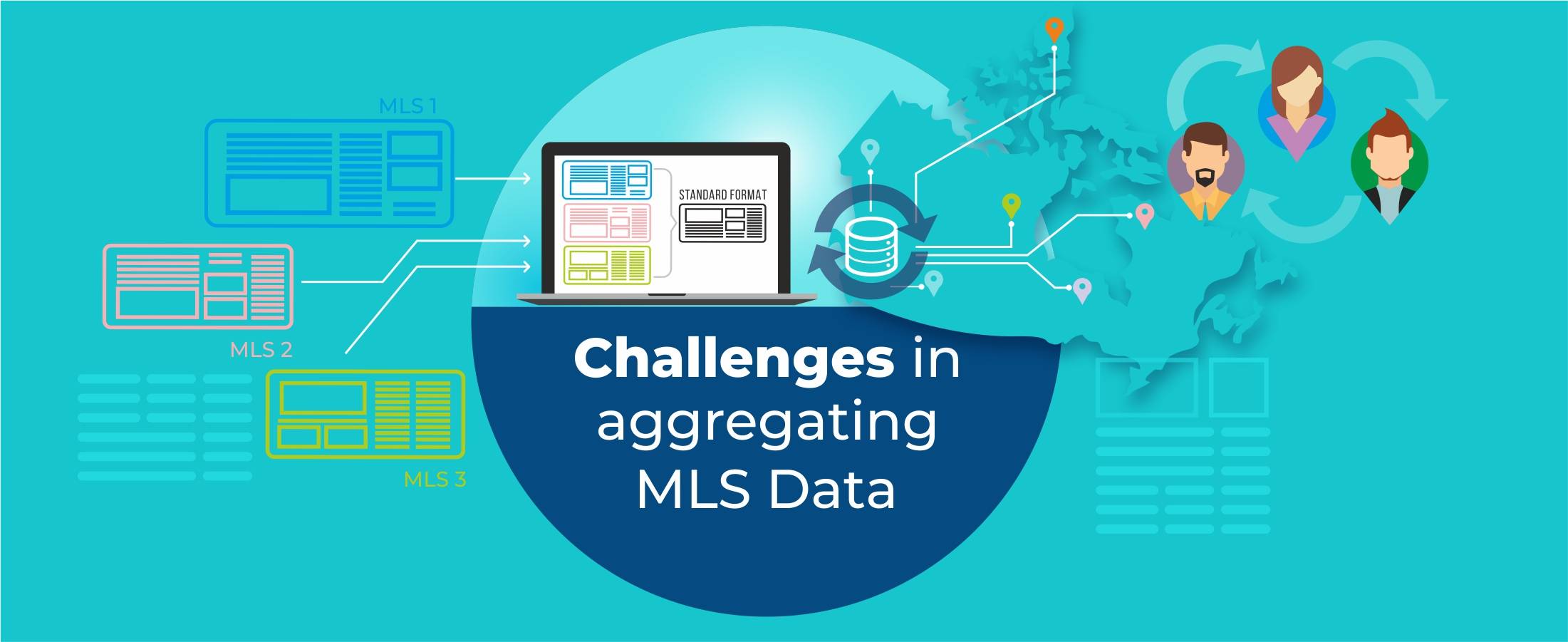
Challenges in Aggregating MLS Data
Home Navigation for the Visually Challenged
Uberization of Healthcare
Using mHealth for monitoring symptoms in children
Pinterest for Real Estate Marketing

Advancement of Voice Inputs over Text in Healthcare

Instagram for Real Estate Marketing
Chatbots in Healthcare
Why brokers are moving to custom solutions rather than using gene
Virtual Hospitals: Future of Healthcare

What Happens in Vegas, Stays in Vegas – Well, not if you ha
8 Healthcare Tech Trends to watch out for in 2019
6 Reasons Why Telemedicine Hasn’t Taken Off

5 Real Estate Tech Trends to watch out for in 2019
How MLS APIs Can Improve Your IDX Performance
How can Realtors generate quality leads using Social Media?
What is the difference between RETS and RESO Web API?
IoT for Healthcare

3D Home Tours – A must have in today’s world?

3D Printing in Real Estate

Pros & Cons of integrating RETS in your website

Blockchain: Opportunities for Healthcare

Pros & Cons of Integrating IDX in your Website

4 Reasons why you need to integrate RESO compliant MLS

Docker Selenium Grid for Parallel Test Execution
IDX vs RETS vs MLS vs RESO
How is AI Transforming Healthcare
The Future of Virtual Reality in Healthcare

Smart Contracts in Real Estate using Blockchain

How To Choose The Right CRM For Your Business
Best UX Design Practices for Healthcare Applications
FHIR Integration for Better Patient Engagement
IoT for SMART Real Estate
AI to Automate Pre-Showing Process
Best Practices for Healthcare Data Governance

Will Virtual Reality in Real Estate Replace Property Showing?

A Secure Web is Here

Will Uber-ized Property Showing Gain Momentum?
Future of Cloud Computing in Healthcare
5 Real Estate Tech Predictions for 2018

Key Takeaways From Inman Connect NYC 2018 #ICNY
DevOps is the future of the software development

9 Proven Ways to Optimize Google Page Speed

3 Ways to Generate More Real Estate Sales Leads
Introduction to Elasticsearch
5 Real Estate Tasks to Automate
MLS Data: Roadblock for RealTech?

Part II – Writing Better, Faster and Easy to Maintain Mobil

Meteor Security Checks

3 Reasons Why You Need App Prototype For Your Idea
Apple Events September 2017

Part I – Writing Better, Faster and Easy to Maintain Mobile